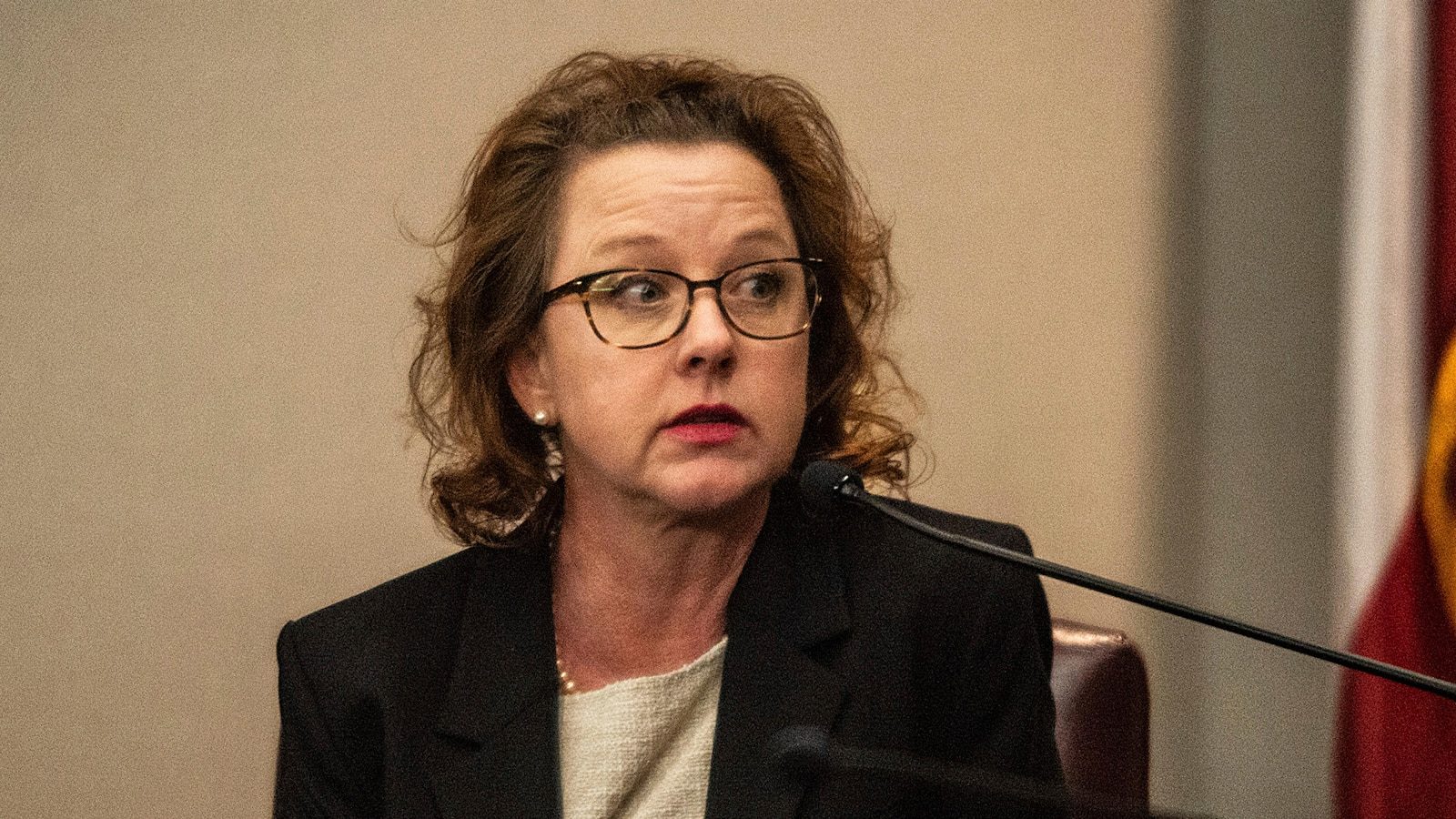
Judge Dismisses Felony Charges Against Ex-Prosecutor in Ahmaud Arbery Case
In a startling development that has captured national attention, a judge has dismissed felony charges against a former prosecutor involved in the Ahmaud Arbery case. This decision not only raises eyebrows but also ignites discussions about legal accountability and the complexities surrounding high-profile trials. The case has been a focal point in the ongoing dialogue about race, justice, and the legal system in the United States.
The Context of the Ahmaud Arbery Case
The Ahmaud Arbery case began in February 2020 when Arbery, a 25-year-old African American man, was fatally shot while jogging in Glynn County, Georgia. The incident sparked outrage and protests across the country, as it was perceived as yet another example of racially motivated violence. The three men involved in the shooting—Gregory McMichael, Travis McMichael, and William “Roddie” Bryan—were eventually charged and convicted of murder in 2021.
However, the case extended beyond the actions of the shooters to include the responses and decisions made by local law enforcement and the former district attorney, Jackie Johnson. Johnson faced accusations of misconduct for allegedly favoring the McMichaels and failing to take appropriate action in the aftermath of Arbery’s death.
The Dismissal of Felony Charges
In a recent ruling, a judge dismissed the felony charges against Jackie Johnson, citing a lack of sufficient evidence to proceed with the case. This decision has stirred controversy, as many feel that it undermines the accountability expected from public officials, especially in cases involving grave injustices.
- Legal Implications: The dismissal raises questions about the standard of proof required for prosecuting former officials and the broader implications for justice in cases of alleged misconduct.
- Public Reaction: Many community members and advocates for racial justice expressed disappointment, viewing the decision as a setback in the pursuit of accountability.
Understanding the Legal Landscape
The legal system is often complex, particularly in high-profile cases where emotions run high and public scrutiny is intense. The dismissal of felony charges against Johnson illustrates the challenges faced by prosecutors when attempting to hold powerful figures accountable. It brings to light several critical aspects of the legal landscape:
- Prosecutorial Discretion: Prosecutors have considerable discretion in deciding whether to bring charges. This discretion can lead to disparities in how cases are handled, especially when the accused holds a position of power.
- Burden of Proof: In criminal cases, the burden of proof lies with the prosecution. They must establish guilt beyond a reasonable doubt, which can be particularly challenging when dealing with former officials who may have legal protections.
- Public Trust: The dismissal of charges can erode public trust in the judicial system, especially among communities that feel marginalized or victimized.
Broader Implications for Justice and Accountability
The dismissal of felony charges against the ex-prosecutor is not just a matter of legal procedures; it has profound implications for justice and accountability in America. It underscores the systemic issues within the legal framework and the need for reforms aimed at enhancing transparency and accountability.
Advocates for reform argue that the legal system must evolve to ensure that all individuals, regardless of their position, are held accountable for their actions. This includes:
- Enhanced Oversight: Establishing independent bodies to oversee prosecutorial conduct can help ensure that decisions are made fairly and justly.
- Public Education: Raising awareness about the legal process and the rights of citizens can empower communities to demand accountability.
- Legislative Changes: Advocating for laws that promote transparency in prosecutorial decisions could help diminish the influence of power in the legal system.
Community Responses and Next Steps
In the wake of the judge’s ruling, community leaders and advocates are mobilizing to address the perceived injustices within the legal system. Many are calling for increased community engagement in the legal process and greater support for initiatives aimed at promoting racial equality and justice.
Some suggested next steps include:
- Community Dialogues: Hosting discussions that bring together community members, legal experts, and lawmakers can foster understanding and collaboration.
- Support for Victims’ Families: Establishing resources and support networks for families affected by violence and injustice can help them navigate the legal landscape.
- Advocacy for Policy Changes: Engaging in advocacy efforts to push for legislative changes that promote accountability within the justice system.
Looking Ahead
The dismissal of felony charges against the ex-prosecutor involved in the Ahmaud Arbery case serves as a pivotal moment in the ongoing conversation about justice and accountability in America. It highlights the challenges faced by the legal system in addressing misconduct and the need for continued advocacy and reform.
As communities rally for change, the hope remains that the legal system can evolve to reflect the values of fairness, accountability, and justice for all. The lessons learned from this case will undoubtedly shape future discussions and actions aimed at ensuring that those in positions of power are held accountable for their decisions and actions.
In conclusion, while the dismissal of these charges may feel disheartening to many, it also provides a crucial opportunity for dialogue, reflection, and action. The pursuit of justice is an ongoing journey, and each step taken by individuals and communities can contribute to a more equitable legal system for generations to come.
See more ABC News Feed