Unraveling the Mystery: What the DC Plane Crash Reveals About Air Travel Safety
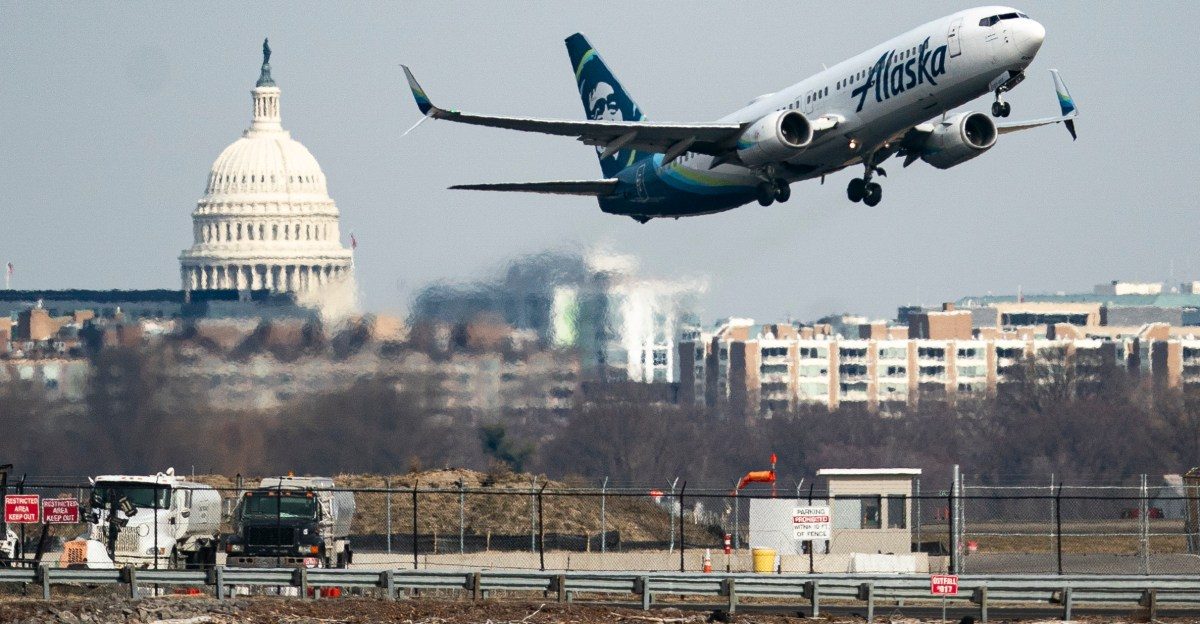
The recent tragic plane crash in Washington, D.C., has sent shockwaves through the aviation community and ignited a critical dialogue surrounding air travel safety. As investigators sift through the wreckage, pressing questions arise about the measures in place to protect passengers. This incident not only brings to light the immediate concerns regarding safety protocols but also prompts a broader examination of the aviation industry’s commitment to ensuring the well-being of those who travel by air.
A Closer Look at the Incident
On a clear afternoon, a regional airline aircraft experienced catastrophic failure shortly after takeoff from a local airport. Eyewitness accounts describe a sudden and terrifying scene as the plane struggled to gain altitude before ultimately crashing into an uninhabited area. Fortunately, there were no casualties on the ground, but the loss of life among passengers and crew has left families devastated and communities in mourning.
In the aftermath, investigators from the National Transportation Safety Board (NTSB) and the Federal Aviation Administration (FAA) have mobilized to uncover the factors that led to this tragic event. Key questions revolve around the aircraft’s maintenance history, pilot training, and adherence to safety protocols. These inquiries are crucial, as they will not only shed light on this specific incident but may also unveil systemic issues that could affect future air travel safety.
Understanding Air Travel Safety Protocols
Air travel is widely regarded as one of the safest modes of transportation, thanks to rigorous safety standards and protocols established by regulatory bodies. Here’s a breakdown of the critical components that contribute to aviation safety:
- Aircraft Maintenance: Regular inspections and maintenance checks are mandated to ensure aircraft are in optimal condition. Airlines must adhere to strict guidelines that include maintenance schedules and the use of certified technicians.
- Pilot Training: Pilots undergo extensive training, including simulators and real-world scenarios, to prepare for emergencies. They must also complete recurrent training to keep their skills sharp.
- Safety Management Systems (SMS): These systems are designed to identify, assess, and mitigate risks. Airlines are encouraged to foster a safety culture where employees can report hazards without fear of reprisal.
- Regulatory Oversight: The FAA and other governing bodies continuously monitor airlines to ensure compliance with safety regulations. Random audits and checks are integral to maintaining high safety standards.
The Role of Technology in Aviation Safety
Technology plays a pivotal role in enhancing aviation safety. Innovations in aircraft design, navigation systems, and real-time data analysis have contributed significantly to reducing accidents. Some of the ways technology is improving air travel safety include:
- Advanced Avionics: Modern aircraft are equipped with sophisticated avionics systems that provide pilots with critical information about the aircraft’s performance and environmental conditions.
- Collision Avoidance Systems: These systems help prevent mid-air collisions by alerting pilots to potential hazards and providing guidance on evasive maneuvers.
- Predictive Maintenance: Data analytics allows airlines to predict when maintenance is needed based on the actual performance of parts, minimizing the risk of mechanical failures.
Lessons Learned from Past Incidents
While the aviation industry has made tremendous strides in safety, history has shown that the lessons learned from past incidents are invaluable. The DC plane crash could serve as a catalyst for revisiting and enhancing existing safety measures. Notable past incidents, such as the 2001 American Airlines Flight 587 crash and the 2014 Malaysia Airlines Flight MH370 disappearance, have led to significant changes in regulations and practices. These include:
- Enhanced Pilot Training: Following past accidents, there has been a push for more comprehensive training programs that focus on handling emergencies and understanding aircraft systems.
- Improved Communication Protocols: Clear communication between pilots, crew, and air traffic control is paramount. Incidents have underscored the need for standardized communication practices.
- Strengthened Maintenance Regulations: Increased oversight and more stringent maintenance requirements have been implemented to ensure aircraft are not only airworthy but also safe for passengers.
The Human Element in Aviation Safety
Despite the technology and regulations in place, the human element remains a significant factor in aviation safety. Pilots, crew members, and maintenance personnel must work together seamlessly to ensure safe operations. Training programs emphasize teamwork, communication, and decision-making skills, all of which are critical during high-pressure situations.
Moreover, fostering a culture of safety within airlines is essential. Employees at all levels should feel empowered to report concerns and suggest improvements without fear of negative repercussions. This openness can lead to early identification of potential safety issues before they escalate into serious problems.
Moving Forward: Enhancing Air Travel Safety
The DC plane crash has underscored the need for ongoing vigilance in air travel safety. As investigations continue and more information comes to light, the aviation industry must take proactive steps to address any identified shortcomings. Here are some potential strategies for improving safety:
- Regular Safety Audits: Airlines should conduct frequent internal audits to assess compliance with safety protocols and identify areas for improvement.
- Investing in Training: Continuous investment in pilot and crew training ensures that personnel are well-prepared to handle a wide range of scenarios.
- Community Engagement: Airlines should engage with the communities they serve, providing transparency about safety practices and building public trust.
Conclusion: A Commitment to Safety
The recent plane crash in Washington, D.C., serves as a sobering reminder of the complexities and challenges of air travel safety. While the aviation industry has made remarkable progress in ensuring passenger safety, this tragedy highlights the importance of continuous improvement and vigilance. As we await the findings of investigators, it is crucial that all stakeholders in the aviation sector recommit to prioritizing safety, learning from past mistakes, and embracing technological advancements. Only through collective effort can we work towards a future where air travel is not just safe but also a source of confidence and peace of mind for all passengers.
See more ABC News Feed