Introduction
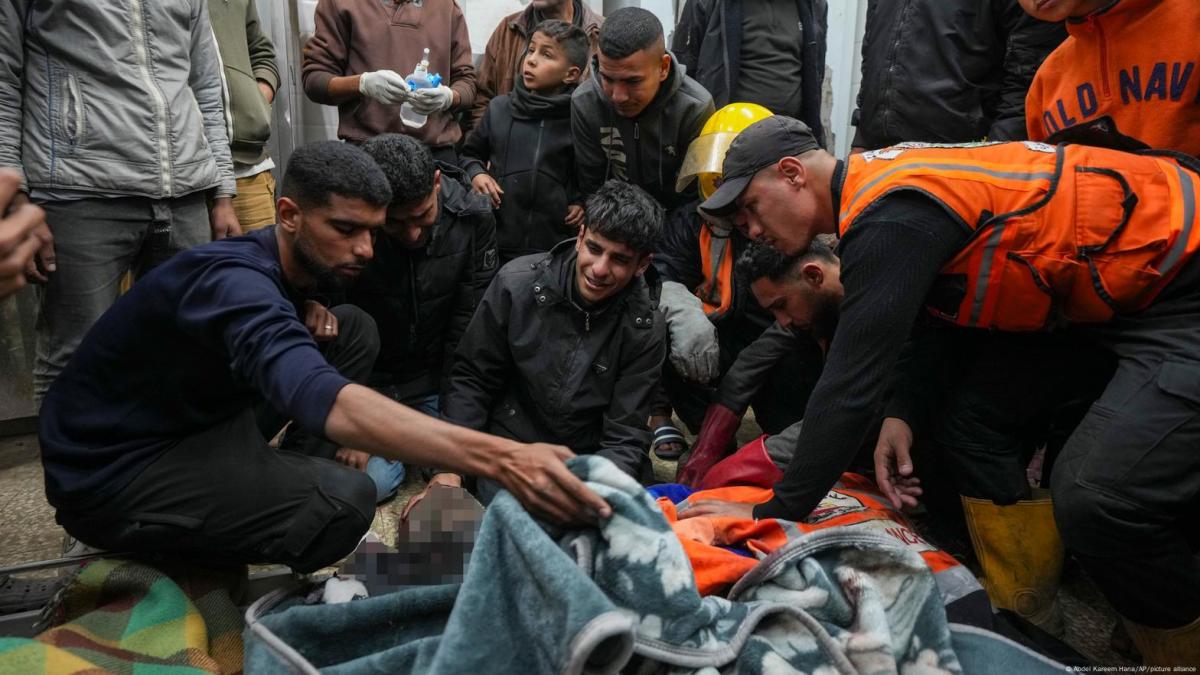
The recent death of an Al Jazeera journalist in an Israeli airstrike in Gaza has sent shockwaves through the global media community. This tragic event underscores the precarious situation faced by journalists operating in conflict zones, where the pursuit of truth can come at a devastating cost. As the world grapples with increasing violence and political turmoil, the safety of reporters remains a pressing concern, raising important questions about press freedom and the protection of those who risk their lives to inform the public.
The Incident: A Journalist’s Life Cut Short
On [insert date], an airstrike in Gaza resulted in the death of [insert journalist’s name], a dedicated reporter for Al Jazeera. The strike, which reportedly targeted a specific location, also led to civilian casualties, further complicating an already volatile situation. This incident is part of a broader pattern of violence in the region, where journalists often find themselves in the crossfire of military operations and political conflicts.
The Role of Journalists in Conflict Zones
Journalists play a crucial role in documenting conflicts, providing firsthand accounts of events that shape public understanding and policy. Their work is vital for transparency and accountability, especially in regions where information is tightly controlled or manipulated. However, this role comes with significant risks:
- Physical Danger: Journalists are often targets in conflicts, facing threats from state and non-state actors alike.
- Legal Risks: In many countries, laws governing media can be used to silence dissenting voices, leading to arrests and imprisonment.
- Psychological Toll: Witnessing violence and suffering can lead to severe mental health issues, including PTSD.
The Broader Implications of Journalistic Losses
The killing of journalists in conflict zones has far-reaching implications beyond the immediate tragedy. It raises urgent questions about press freedom and the safety of reporters worldwide. The following aspects warrant a deeper examination:
Press Freedom Under Threat
Press freedom is a cornerstone of democratic societies, enabling citizens to make informed decisions. However, the increasing violence against journalists poses a significant threat to this fundamental right. According to Reporters Without Borders, conflicts around the world have seen a marked increase in the targeting of journalists, leading to a dangerous environment for media professionals.
In regions like Gaza, where political tensions are high and military operations are frequent, journalists face unique challenges. The risks are compounded by the potential for government censorship and propaganda, making it difficult for independent reporting to flourish.
The Responsibility of Media Organizations
Media organizations have a responsibility to ensure the safety of their journalists. This includes providing training in conflict reporting, psychological support, and ensuring that reporters have the necessary resources to operate safely. Al Jazeera, like many other outlets, must evaluate its protocols for protecting journalists in dangerous environments.
Additionally, media organizations can advocate for stronger protections for journalists internationally. This could involve lobbying for legal reforms that safeguard press freedom and the establishment of safety protocols in conflict regions.
International Response and Solidarity
The international community must respond to the threats faced by journalists with robust measures. This includes:
- Condemnation of Violence: Governments and international organizations should publicly condemn attacks on journalists and hold perpetrators accountable.
- Support for Press Freedom: Nations must commit to upholding press freedom as a fundamental human right, enacting policies that protect journalists.
- Training and Resources: Providing resources and training for journalists in conflict zones can help mitigate risks and enhance their safety.
Historical Context: Journalists and Warfare
The killing of journalists in conflict zones is not a new phenomenon. Throughout history, reporters have faced violence, censorship, and persecution while covering wars and uprisings. Notable examples include the Vietnam War, where journalists like photojournalist Nick Ut captured harrowing images that changed public perception of the war.
In more recent history, conflicts in Iraq, Syria, and Afghanistan have also seen significant journalist casualties. Each incident serves as a grim reminder that the protection of journalists remains an urgent and unresolved issue in global conflict dynamics.
Conclusion: A Call for Action
The death of an Al Jazeera journalist in Gaza is a tragic reminder of the dangers faced by those who seek to inform the public. It highlights the urgent need for collective action to protect press freedom and ensure the safety of journalists in conflict zones. As the world watches, it is crucial for governments, media organizations, and civil society to rally around the cause of press freedom, advocating for the rights of journalists and the importance of their work in promoting transparency and accountability.
In the face of violence and repression, the voices of journalists must not be silenced. As we mourn the loss of a dedicated reporter, let us also commit to safeguarding the future of journalism, ensuring that those who risk their lives to tell the stories of the oppressed receive the protection and respect they deserve.
See more ABC News Feed