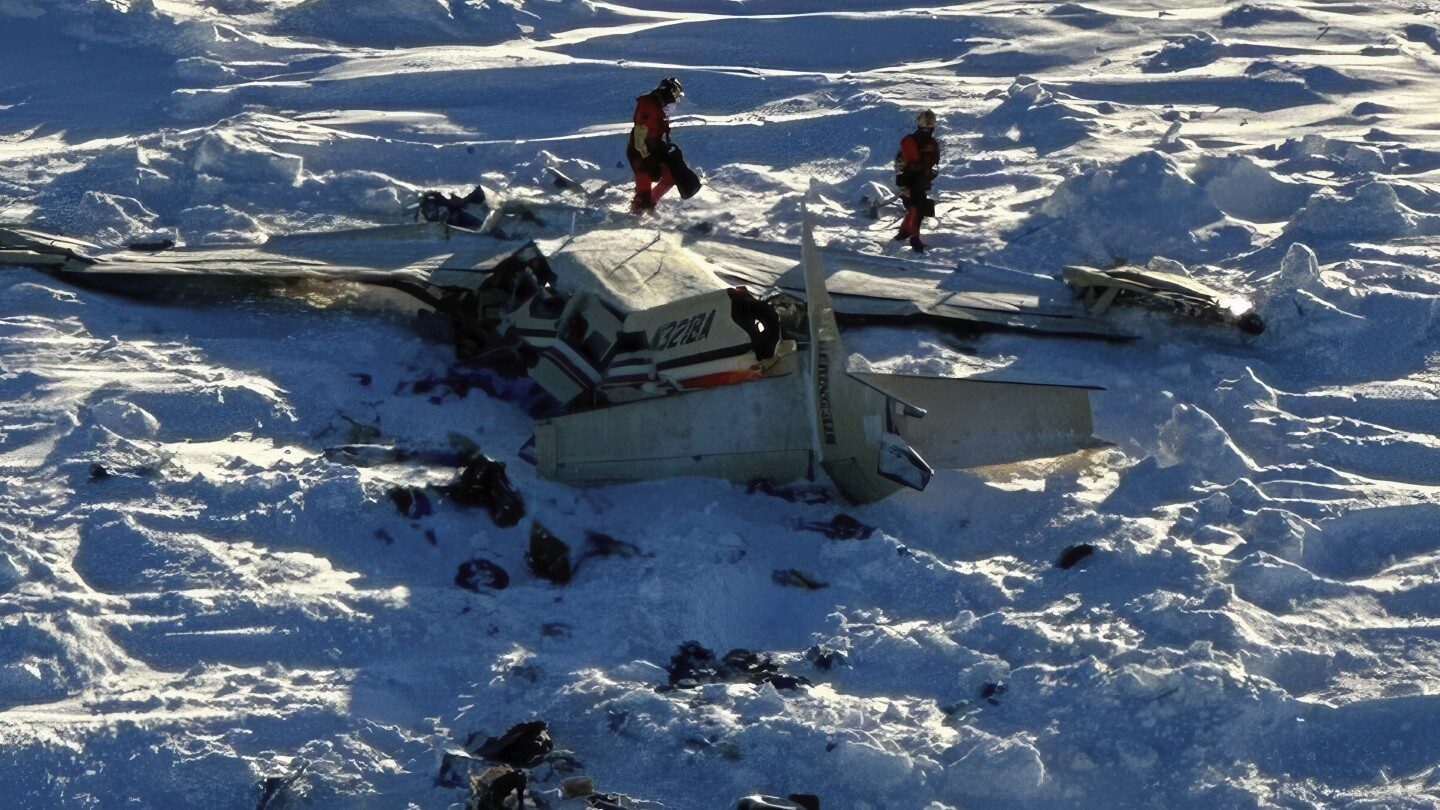
Urgent Recovery Efforts Underway for Downed Commuter Plane in Alaska’s Icy Waters
As snow and harsh winds loom over Alaska, recovery teams are scrambling to retrieve a commuter plane that tragically crashed into the treacherous sea ice. This urgent recovery effort has sparked not only a race against time but also raised critical questions about safety measures and protocols in extreme weather conditions. With the chilling reality of the Alaskan wilderness as a backdrop, every moment counts in this daunting operation.
The Incident: What We Know So Far
The commuter plane, operated by a regional airline, went down shortly after takeoff from a small Alaskan airstrip. Witnesses reported seeing the aircraft struggling against the fierce winds before it disappeared from radar. Initial reports suggest that the plane encountered severe weather, which may have contributed to the crash. Search and rescue teams were deployed almost immediately, but the operation has faced significant challenges due to the icy waters and treacherous terrain.
Urgent Recovery Efforts
Recovery teams, comprised of local volunteers, state officials, and specialized personnel, are utilizing a combination of aircraft and watercraft to reach the site of the crash. The area is characterized by shifting ice, which complicates the recovery efforts. As the weather continues to deteriorate, the urgency of the operation increases. The teams are working around the clock, striving to locate the wreckage and, more importantly, any potential survivors.
- Search and Rescue Operations: Helicopters and drones are being deployed to survey the vast expanse of ice from the air, while boats equipped with ice-breaking capabilities navigate the waters below.
- Challenges Faced: The extreme cold, strong winds, and constantly shifting ice make recovery efforts hazardous. Team members are trained to handle these conditions, but the risks remain high.
The Human Element: Families and Communities
As recovery efforts unfold, families of those on board the plane are left in a state of anguish and uncertainty. Local communities have rallied together to support these families, providing resources and emotional aid during this harrowing time. The human element of this tragedy cannot be overstated; each passenger and crew member represents a story, a family, and a life profoundly affected by this disaster.
Community centers have opened their doors to serve as gathering places for families awaiting news. Support groups and counseling services are being mobilized to assist those struggling with the emotional toll of the situation. The solidarity shown by the community highlights the resilience of Alaskans in the face of adversity.
Safety Measures in Extreme Conditions
This incident has reignited conversations about safety measures in aviation, particularly in extreme conditions. While aviation technology has progressed significantly, pilots and airlines must navigate the complexities posed by harsh climates. Some key considerations include:
- Training and Preparedness: Pilots operating in regions prone to severe weather should undergo rigorous training to prepare for emergencies. This includes simulations of various weather scenarios.
- Aircraft Maintenance: Regular checks and maintenance of aircraft systems are crucial to ensure that planes are equipped to handle unexpected conditions.
- Weather Monitoring: Continuous monitoring of weather patterns can provide critical information to pilots and airlines, allowing for informed decisions regarding flights.
The Role of Technology
Modern technology plays a vital role in both recovery efforts and ensuring aviation safety. Advanced tracking systems and communication technologies can enhance the effectiveness of search and rescue operations. For instance:
- GPS and Radar: These technologies help in locating downed aircraft more efficiently, even in challenging terrains.
- Real-Time Weather Data: Access to real-time data can help pilots make informed decisions about flight paths and potential hazards.
Looking Ahead: Lessons Learned
As recovery efforts continue, it is essential to reflect on the lessons this incident provides. Each disaster brings an opportunity to analyze what went wrong and how similar situations can be prevented in the future. Stakeholders in the aviation industry, from regulatory bodies to airline operators, must engage in comprehensive reviews of safety protocols and emergency response strategies.
Hope Amidst Tragedy
While the situation remains dire, there is hope. The dedication of recovery teams and the support of local communities offer a glimmer of optimism. Each effort made in the face of adversity exemplifies the indomitable spirit of those involved. As the search progresses, the world watches with bated breath, holding onto the hope that recovery efforts will yield positive results.
Conclusion
The urgent recovery efforts underway for the downed commuter plane in Alaska’s icy waters highlight the intersection of human resilience and the challenges posed by nature. As teams work tirelessly against the clock, the incident serves as a stark reminder of the importance of safety measures in aviation, especially in extreme conditions. The outcome of this operation remains uncertain, but the commitment to recovery and the support for affected families stand as a testament to the strength of community and the human spirit.
The road ahead may be fraught with challenges, but it is also paved with hope. As we await further developments, it’s crucial to keep the families in our thoughts and recognize the bravery of those involved in the recovery efforts. Together, we can learn from this tragedy and strive to enhance safety protocols to prevent such incidents in the future.
See more ABC News Feed