Unraveling the Mystery: What Led to the Tragic Alaska Plane Crash?
A devastating commuter plane crash in Alaska has claimed the lives of ten individuals. As investigations unfold, details surrounding the incident raise questions about safety and oversight in the aviation industry. The tragic event has sent shockwaves through the community and sparked a national conversation about the importance of aviation safety, regulatory measures, and the challenges faced by regional airlines.
The Incident: A Timeline of Events
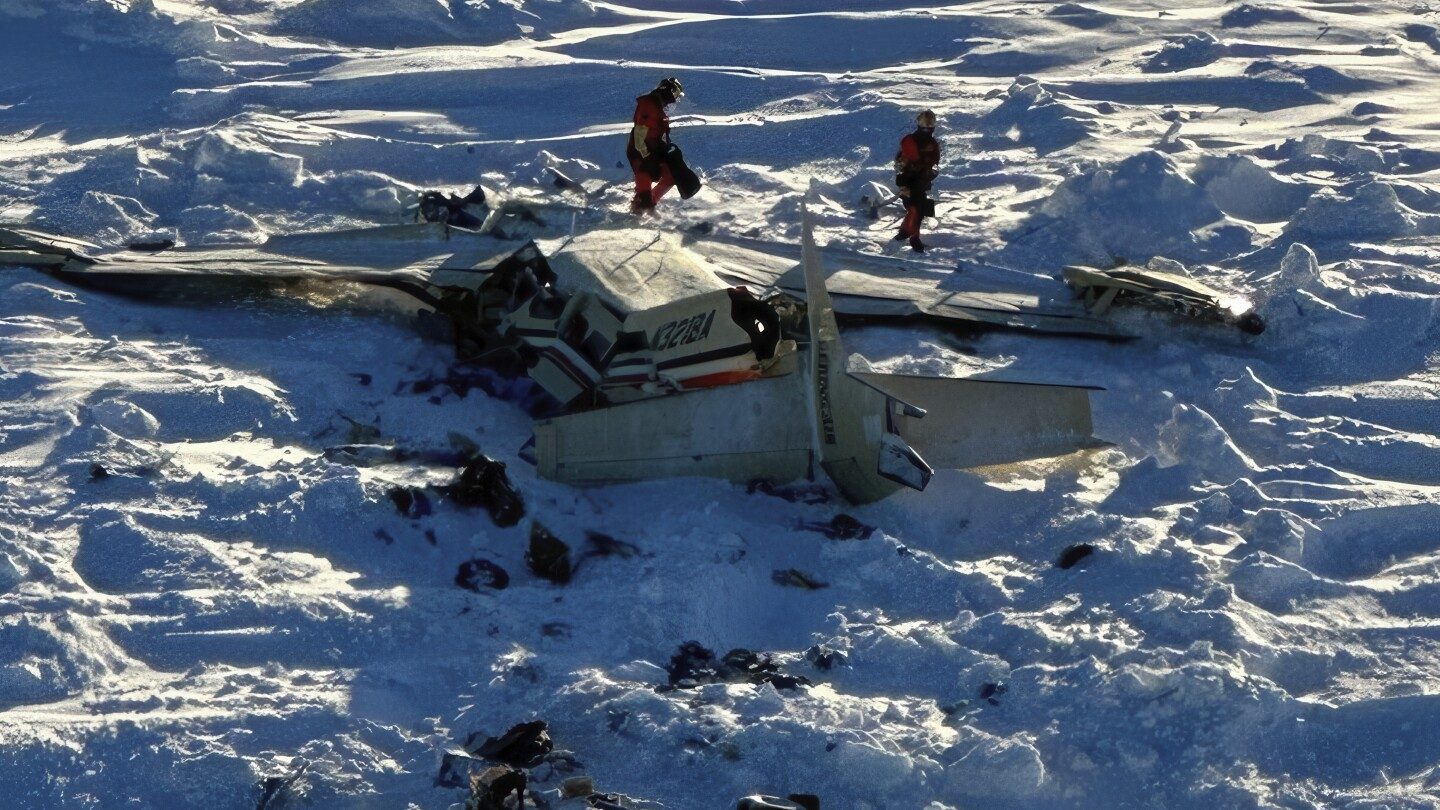
On a fateful day in early October, a commuter plane operated by a regional airline took off from a small Alaskan airport en route to its destination. Shortly after takeoff, the aircraft encountered difficulties and ultimately crashed into a remote area. Rescue teams were dispatched immediately, but the harsh conditions of the Alaskan terrain made recovery efforts challenging.
- Date of Incident: Early October 2023
- Aircraft Type: A small commuter plane
- Casualties: 10 individuals confirmed dead
- Location: Remote area of Alaska
Witnesses reported seeing the plane struggling to gain altitude before it disappeared from view. In the aftermath, investigators began to sift through the wreckage, searching for clues that might explain what led to this tragic accident.
Investigating the Causes
The National Transportation Safety Board (NTSB) has launched a thorough investigation into the circumstances surrounding the crash. While it’s too early to draw definitive conclusions, several factors are likely to be scrutinized:
- Weather Conditions: Alaska is known for its rapidly changing weather, which can pose significant risks to flight operations. Investigators will assess whether adverse weather played a role in the crash.
- Aircraft Maintenance: The maintenance history of the aircraft will be a focal point. Regular inspections and maintenance logs are crucial for ensuring safety.
- Pilot Experience: The experience and training of the flight crew will be evaluated to determine if they were adequately prepared to handle the flight conditions.
- Regulatory Compliance: Investigators will look into whether the airline adhered to federal regulations and guidelines set forth by the Federal Aviation Administration (FAA).
The Role of Regional Airlines in Alaska
Alaska’s geography and population distribution make regional airlines essential for connecting remote communities. These airlines often operate smaller aircraft that can navigate challenging terrains and weather conditions. However, this operational model comes with its own set of challenges:
- Resource Limitations: Smaller airlines may face financial constraints that impact their ability to invest in the latest safety technologies and training.
- Inexperienced Pilots: Many regional airlines hire pilots with limited experience due to high turnover rates, which can lead to safety concerns.
- Weather Challenges: Operating in a state with extreme weather patterns increases the risk of accidents.
While regional airlines play a vital role in Alaskan transportation, the industry must prioritize safety to prevent tragic incidents like the recent crash.
Community Impact and Response
The crash has left a profound impact on the local community and the families of the victims. Grieving relatives are seeking answers while also reflecting on the importance of aviation safety. Community members have come together to support one another, demonstrating resilience in the face of tragedy.
The crash has also prompted local officials and aviation experts to call for improved safety measures in the regional airline industry. Stakeholders are advocating for:
- Enhanced training programs for pilots
- Regular safety audits for regional airlines
- Investment in advanced navigation and weather forecasting technologies
The Bigger Picture: Safety in the Aviation Industry
This tragic incident is a reminder of the ongoing challenges within the aviation industry, particularly regarding safety and oversight. With advancements in technology and increased regulatory scrutiny, there is a growing need for continuous improvement in aviation safety standards.
As investigations into the Alaska plane crash continue, it is crucial for the aviation industry to learn from such tragedies. This includes:
- Data-Driven Safety Practices: Utilizing data analytics to identify trends and potential hazards can help airlines implement proactive safety measures.
- Collaboration Between Regulators and Airlines: Open communication and collaboration can foster a culture of safety, encouraging airlines to prioritize compliance and best practices.
- Public Awareness: Increasing public awareness about aviation safety can lead to greater advocacy for enhanced regulations and oversight.
Conclusion: Moving Forward with Vigilance
The tragic Alaska plane crash serves as a somber reminder of the fragility of life and the importance of safety in aviation. As we await the final findings from the investigation, it is imperative that the industry reflects on its practices and makes necessary changes to prevent future incidents.
In the face of adversity, the aviation community must come together to ensure that safety remains the top priority. By investing in training, adhering to regulations, and embracing innovative technologies, we can work towards a future where flying is as safe as it is essential for connecting our communities.
As we honor the memory of those lost in this tragic event, let us strive for a safer aviation industry that prioritizes the well-being of its passengers and crew alike.
See more ABC News Feed