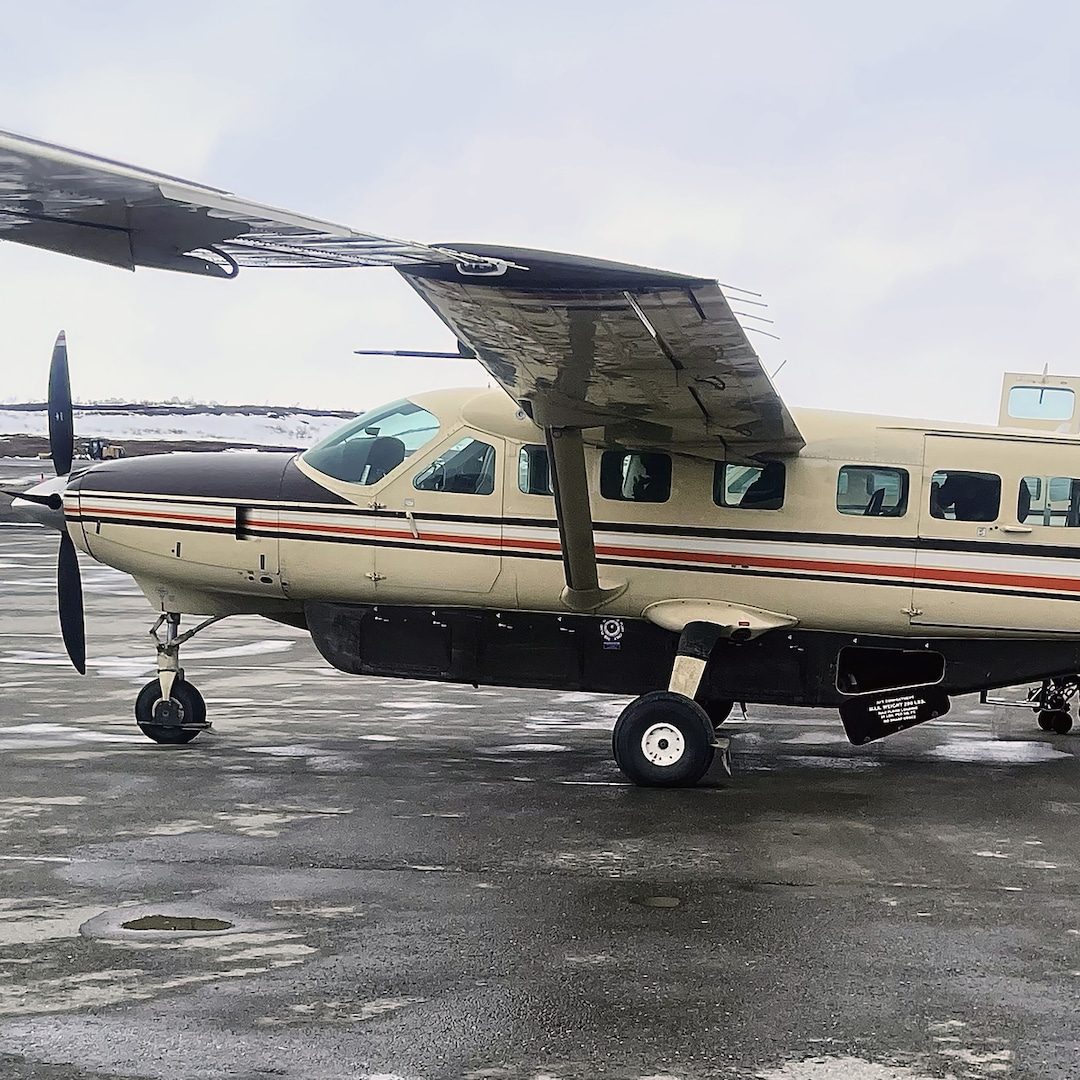
Tragedy in the Skies: The Alaska Plane Crash That Claimed Ten Lives
In a heart-wrenching turn of events, a devastating plane crash in Alaska has left the families of ten passengers in mourning as search operations conclude. This tragic incident serves as a grim reminder of the risks associated with aviation, even in regions where flying is a common mode of transportation. Investigators are now piecing together the events leading to this catastrophic accident, aiming to provide answers to the grieving families and the larger community.
The Incident: What Happened?
The Alaska plane crash occurred on a clear afternoon, an unfortunate twist of fate for those aboard the small charter aircraft. The plane, which was transporting a group of friends and family members, lost communication shortly after takeoff from a remote airstrip. Search and rescue efforts were swiftly initiated, with local authorities and volunteers joining forces to locate the wreckage amidst the rugged Alaskan terrain.
Despite the best efforts of search teams, the wreckage was located several days later, deep in the wilderness. Unfortunately, all ten lives aboard were lost. This incident marks one of the most tragic aviation disasters in Alaska in recent years, highlighting the inherent dangers of flying in remote areas.
Understanding the Context of Aviation in Alaska
Alaska’s vast landscapes and challenging weather conditions make aviation an essential lifeline for many communities. In remote regions, small aircraft are often the only means of transportation, connecting residents to essential services and facilitating commerce. However, this reliance on aviation also brings considerable risks.
- Geographical Challenges: The rugged mountains, dense forests, and unpredictable weather patterns create a perilous environment for pilots.
- Limited Infrastructure: Many airstrips are unpaved and lack modern facilities, making landings and takeoffs more challenging.
- Small Aircraft Vulnerabilities: Smaller planes, while versatile, often lack the advanced safety features found in larger commercial aircraft.
Investigation and Findings
As investigators from the National Transportation Safety Board (NTSB) begin their analysis of the crash, they will focus on several key areas:
- Flight Data Analysis: Investigators will examine flight logs, communication records, and any available data from the aircraft’s systems.
- Weather Conditions: Understanding the weather at the time of the flight could help clarify whether external factors contributed to the crash.
- Aircraft Maintenance Records: A thorough review of the plane’s maintenance history will be conducted to identify any potential mechanical failures.
Families of the victims are understandably desperate for answers, seeking clarity about what went wrong on that fateful day. The investigation process, while thorough, can often take months or even years to complete, leaving loved ones in a prolonged state of uncertainty.
The Impact on Families and Communities
The loss of ten lives in a single event reverberates throughout the community, impacting not just the families but also friends, neighbors, and local organizations. Grieving families face the daunting task of navigating their loss while also dealing with the logistical challenges that follow such tragedies.
Support services are crucial during this time, as families seek counseling and community support to help cope with their grief. Local organizations often step in to provide resources, including:
- Counseling Services: Professional counseling can assist families in processing their emotions and finding a path forward.
- Community Vigil Services: Memorials and vigils can provide a space for collective mourning and remembrance.
- Financial Assistance: Some organizations may offer financial support to help cover funeral costs and other expenses.
Lessons Learned and Future Safety Measures
In light of this tragedy, the aviation industry must reflect on its practices and consider what measures can be implemented to enhance safety in the skies. Some potential areas for improvement include:
- Enhanced Pilot Training: Continuous training and simulations can better prepare pilots for emergencies and adverse conditions.
- Upgrading Equipment: Encouraging operators to invest in modern aircraft equipped with the latest safety technologies.
- Improved Weather Reporting: Developing more robust systems for real-time weather updates can help pilots make informed decisions.
Conclusion: A Community in Mourning
The Alaska plane crash that claimed ten lives is a stark reminder of the fragility of life and the risks associated with aviation. As families mourn their loved ones, the community rallies around them, offering support and solidarity. Investigators work diligently to uncover the truth behind the crash, striving to ensure that lessons are learned to prevent future tragedies.
In the face of such overwhelming sorrow, it is essential that we honor the memories of those lost by continuing to advocate for safety in the skies. The resilience of the human spirit, especially in times of despair, serves as a beacon of hope for the future. As we reflect on this tragedy, let us also commit to ensuring that aviation remains safe for everyone who relies on it.
See more ABC News Feed