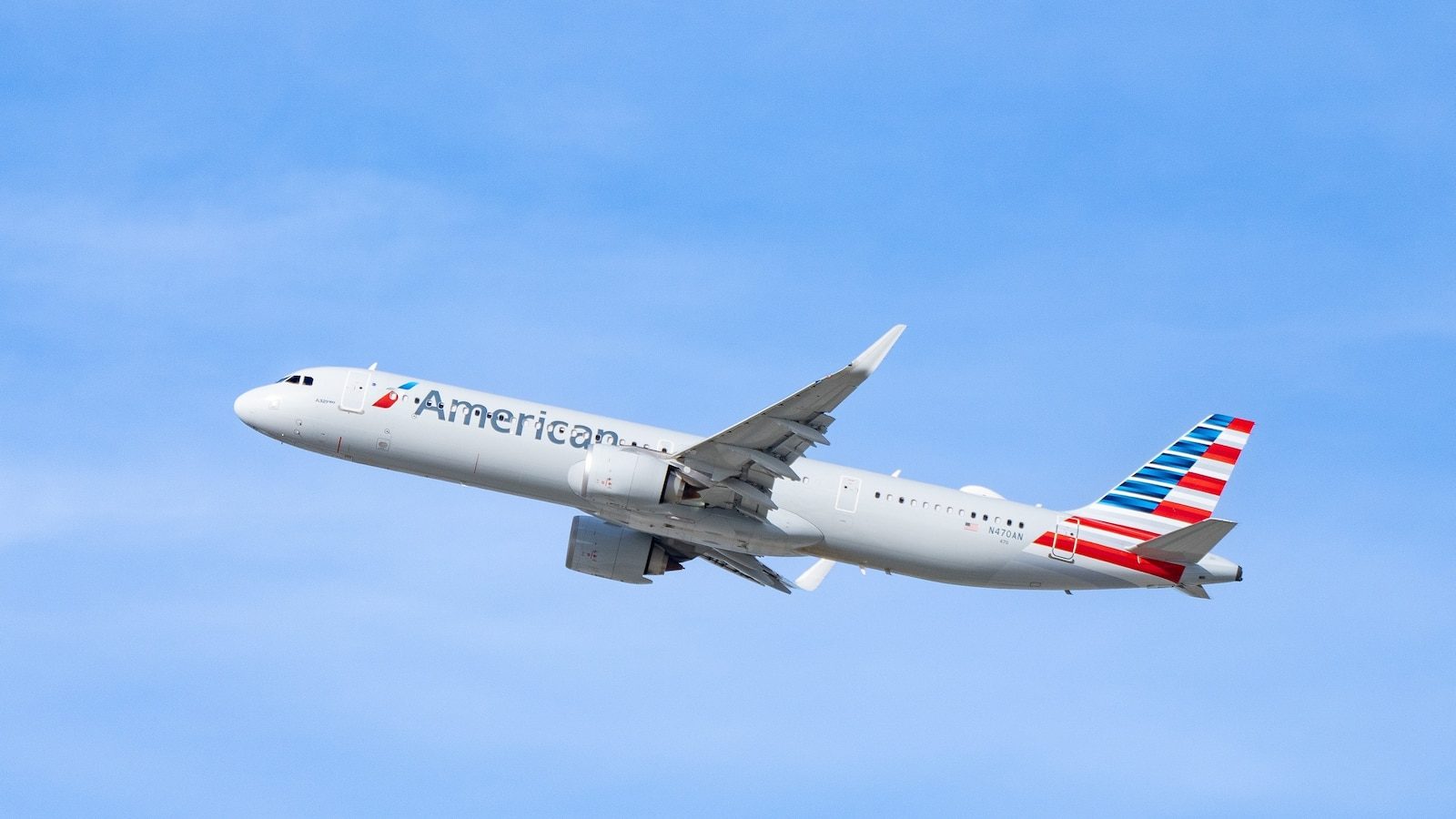
Tensions Rise: American Airlines Flight Grounded Amid Bomb Threat Alert
In a startling turn of events, an American Airlines flight was grounded due to a bomb threat alert, sending shockwaves through passengers and crew alike. This incident has once again raised questions about aviation security and the protocols in place to protect travelers. As investigations unfold, the sense of urgency and concern among passengers remains palpable.
The Incident Unfolds
On a routine flight scheduled from a major U.S. city to a popular destination, American Airlines Flight 123 was preparing for takeoff when the alert was issued. The threat reportedly originated from a message received by the airline’s ground operations team, indicating a potential bomb on board. In accordance with established safety protocols, the flight was immediately delayed, and emergency procedures were activated.
Once the threat was communicated, airport authorities swiftly coordinated with local law enforcement and bomb disposal units. Passengers aboard the aircraft were informed of the situation, leading to a mix of anxiety and confusion. As many may imagine, being told that your flight has been grounded due to a bomb threat can be a harrowing experience.
Passenger Reactions
The atmosphere on the grounded flight was understandably tense. Many passengers expressed their fears and concerns about the situation. Some took to social media to share their experiences, leading to widespread attention and concern regarding the incident.
One passenger, Sarah Thompson, described the moment as surreal. “At first, I thought it was a joke,” she said. “But when the crew started asking us to stay calm, I realized it was serious. The flight attendants were professional, but you could see the worry on their faces.”
Emergency Protocols Activated
In situations like this, the efficiency of emergency protocols is crucial. The crew aboard American Airlines Flight 123 followed all necessary steps to ensure the safety of passengers. This included:
- Immediate Communication: Informing passengers while maintaining calm.
- Coordination with Authorities: Alerting airport security and local law enforcement.
- Evacuation Plans: Preparing for a potential evacuation if the situation escalated.
Emergency responders arrived promptly, and the area surrounding the aircraft was cordoned off. Bomb squads began their thorough investigation to assess the credibility of the threat. Passengers were eventually taken to designated areas for further questioning and reassurance.
The Role of Technology in Threat Assessment
As technology continues to evolve, so too does the ability to assess threats in real-time. Airlines are increasingly utilizing advanced monitoring systems and AI to detect potential security risks. Moreover, the implementation of machine learning algorithms helps in analyzing patterns that might indicate suspicious behavior.
In this recent incident, the swift use of technology to relay the threat to the appropriate authorities was instrumental. The prompt action not only ensured the safety of passengers but also showcased the importance of modern security measures in the aviation industry.
Legal Implications and Investigation
The grounding of American Airlines Flight 123 is not just a matter of passenger safety; it has significant legal ramifications. Authorities will conduct a thorough investigation to determine the source of the bomb threat and whether it was a hoax or a genuine threat.
False bomb threats can lead to severe legal consequences, including hefty fines and potential jail time for those found responsible. The Federal Bureau of Investigation (FBI) is often involved in these cases, working alongside local law enforcement to track down suspects.
Impacts on Airline Operations and Public Confidence
Events like this can have a ripple effect across the airline industry. Delays caused by bomb threats can disrupt flight schedules, leading to a cascade of cancellations and inconveniences for travelers. Airlines must balance the need for security with operational efficiency, often facing tough decisions regarding the best course of action.
Moreover, incidents of this nature can shake the public’s confidence in air travel. Passengers may become more anxious about flying, which could affect airline revenues and travel patterns. The aviation industry has worked hard to rebuild trust following previous security concerns, and a single incident can have long-lasting effects.
The Path Forward: Enhancing Security Measures
As investigations continue, it’s essential for airlines and authorities to reflect on their security measures. Enhancements to passenger screening, better training for staff, and an increased focus on threat assessment technologies are all crucial elements in preventing future incidents.
Airlines could also benefit from open communication with passengers regarding safety protocols. Providing clear information about what to expect during emergencies can help ease anxiety and build trust. Education about how to respond to threats can empower passengers and foster a culture of safety.
Conclusion: A Collective Responsibility
The grounding of American Airlines Flight 123 serves as a reminder of the ongoing vigilance required in air travel. While the immediate threat may have been neutralized, it underscores the need for a collective responsibility among airlines, passengers, and authorities to prioritize safety.
As investigations unfold, it’s vital for the aviation industry to learn from this incident and strive for improved safety practices. By fostering a culture of preparedness and vigilance, we can hope for a future where air travel remains both safe and enjoyable for all.
See more ABC News Feed