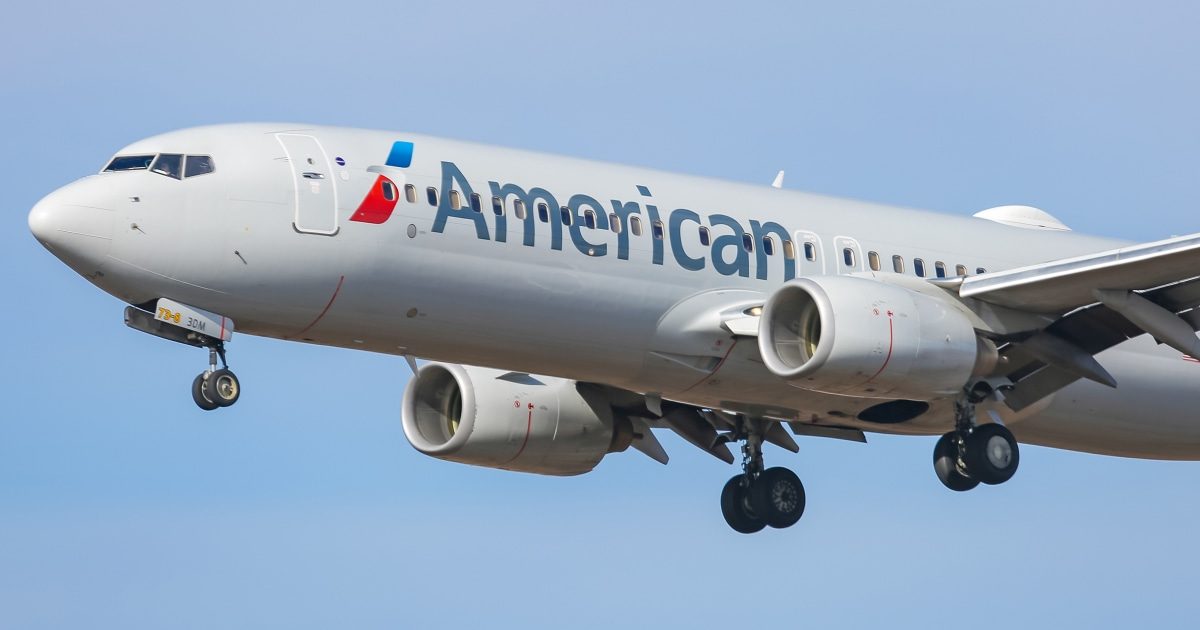
Engine Blaze: A Shocking Incident on an American Airlines Flight in Denver
On a seemingly routine day in Denver, an American Airlines flight faced an alarming incident when one of its engines caught fire shortly after landing. This unexpected engine blaze not only sent shockwaves through the aircraft but also raised critical questions about aviation safety protocols and emergency response measures. In this article, we will delve into the details of this incident, examine the immediate response, and discuss broader implications for airline safety.
The Incident Unfolds
On the day of the incident, American Airlines Flight 1234, arriving from Dallas Fort Worth International Airport, was landing at Denver International Airport. As the plane touched down, passengers and crew members noticed alarming signs: flames erupting from one of the engines. The situation rapidly escalated as smoke filled the cabin, prompting urgent action from the flight crew.
According to eyewitness accounts, the crew acted swiftly, following established protocols to ensure the safety of everyone on board. Within moments of the fire’s ignition, the captain announced an emergency evacuation. Passengers described the atmosphere as tense but organized, with flight attendants guiding everyone to the exits calmly despite the chaos.
The Evacuation Process
The evacuation of American Airlines Flight 1234 was executed with impressive efficiency. Passengers utilized emergency slides to exit the aircraft, while the flight crew ensured that everyone evacuated safely. Many of the passengers praised the crew for their professionalism and composure during such a stressful situation.
- **Emergency slides** were deployed swiftly, allowing for a quick egress from the aircraft.
- **Firefighters and emergency personnel** were on scene within minutes, swiftly handling the situation and extinguishing the blaze.
- **Medical teams** were available to assist passengers who may have suffered from smoke inhalation or other minor injuries.
Fortunately, there were no serious injuries reported among the passengers or crew, a testament to the effectiveness of the emergency protocols in place. However, this incident highlights the importance of continuous training and preparedness in aviation.
Understanding Engine Fires
Engine fires, while rare, can occur due to a variety of reasons. Factors contributing to engine fires include:
- Mechanical failure: Issues with engine components can lead to overheating or fuel leaks.
- Foreign Object Damage (FOD): Debris on the runway can be ingested by the engine, causing damage and potential fires.
- Human error: Maintenance oversights or operational mistakes can sometimes be at fault.
Aircraft engines are designed with numerous safety features to prevent fires and to minimize damage should a fire occur. For instance, modern engines are equipped with fire detection systems and fire suppression systems, which can help mitigate the risks associated with an engine blaze.
Analysis of Emergency Protocols
This incident has sparked discussions surrounding aviation safety protocols. It’s crucial to examine how airlines prepare for emergencies and the training provided to their crews. Key aspects include:
- Regular drills: Flight crews undergo regular emergency training that includes simulation of engine fires, ensuring they are prepared for real-life scenarios.
- Passenger safety briefings: Airlines emphasize the importance of passenger awareness regarding safety procedures, such as knowing the location of exits and how to use emergency slides.
- Incident reviews: After any incident, airlines conduct thorough investigations to learn from the event and improve future responses.
Following the incident, American Airlines released a statement commending the flight crew for their swift actions and expressing gratitude that all passengers were safe. They also confirmed that an investigation into the cause of the engine fire would be conducted in collaboration with aviation authorities.
The Broader Implications for Aviation Safety
While incidents like the engine blaze on American Airlines Flight 1234 are alarming, they also serve as critical reminders of the importance of safety in aviation. The aviation industry has made significant strides in safety over the years. However, continuous improvement remains essential. Key areas for focus include:
- Technology advancements: Investing in newer, more reliable engine technology can further decrease the likelihood of engine fires.
- Enhanced training: Ongoing training for flight crews and maintenance personnel is vital in maintaining a high standard of safety.
- Passenger education: Ensuring that passengers understand safety protocols can empower them to act calmly in emergencies.
Moreover, as air travel continues to grow, regulatory bodies must remain vigilant in updating safety standards and practices to keep pace with the evolving aviation landscape.
Conclusion: The Positive Outcomes of a Scary Situation
The engine blaze on American Airlines Flight 1234 serves as a stark reminder of the unexpected challenges that can arise in aviation. Fortunately, due to the hard work and preparedness of the flight crew, the incident concluded without severe repercussions. This event underscores the importance of robust emergency protocols and the dedication of aviation professionals to ensuring passenger safety.
As the investigation into the incident unfolds, it will likely yield valuable insights that can enhance future safety measures. The aviation community must continue to learn from each event, ensuring that safety remains the top priority in the skies.
See more ABC News Feed