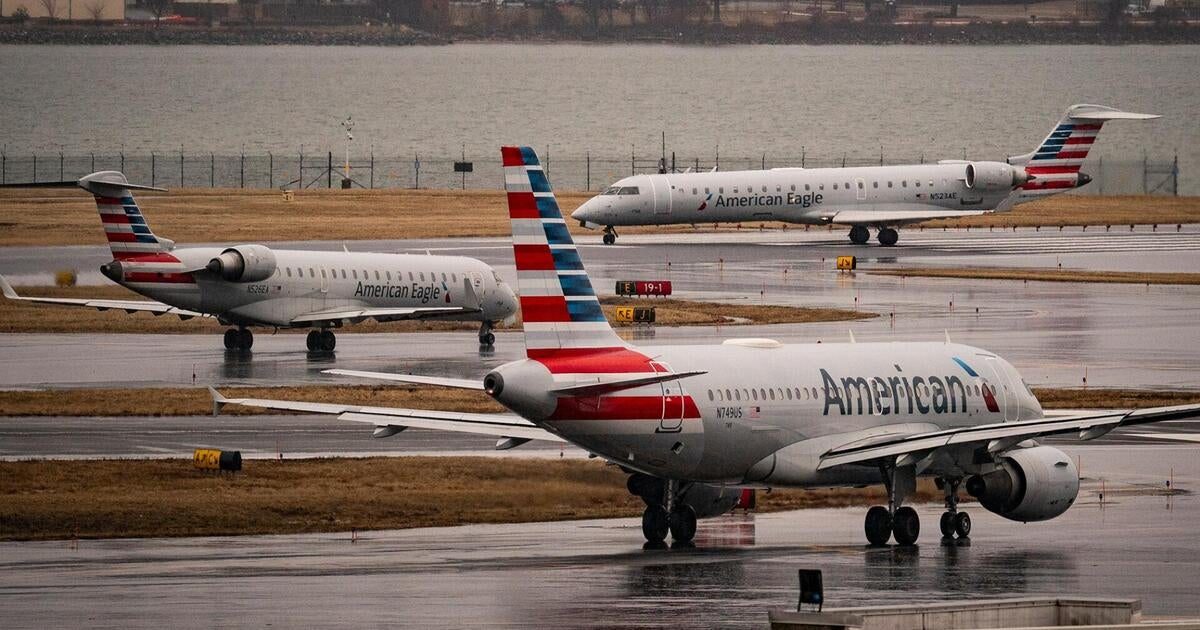
Turbulent Skies: Unraveling the Violent Incident Aboard American Airlines Flight
An alarming incident unfolded aboard American Airlines Flight 123, which was traveling from Wichita to Washington, D.C., as a passenger was accused of a violent assault. This event raises significant questions about safety measures on commercial flights and the challenges of maintaining order in the skies. In the wake of this incident, it is crucial to understand not only what transpired but also the broader implications for air travel safety and passenger behavior.
The Incident: What Happened?
On a seemingly routine flight, tension escalated quickly when a passenger became physically aggressive. Eyewitnesses reported that the man, in his mid-30s, began shouting obscenities and threatening other passengers shortly after takeoff. In an alarming turn of events, he allegedly assaulted a fellow traveler who had intervened, prompting immediate action from the flight crew.
Flight attendants, trained to handle in-flight disturbances, responded swiftly by restraining the individual with zip ties, ensuring the safety of other passengers. The flight, which was supposed to be a straightforward journey, turned chaotic, highlighting the unpredictable nature of air travel. After the plane landed in D.C., law enforcement was waiting to arrest the suspect, who now faces serious charges.
Immediate Responses and Passenger Safety
In the aftermath of the violent incident aboard American Airlines Flight 123, questions arise regarding the efficacy of current safety protocols in place on commercial flights. Airlines have implemented various measures to ensure passenger safety, including:
- Pre-flight screenings: Enhanced security checks at airports aim to identify potential threats before boarding.
- Flight attendant training: Crew members receive training in conflict resolution and emergency response, preparing them for unexpected situations.
- Behavioral detection: Some airlines employ personnel to observe passenger behavior, aiming to identify those who may pose a risk.
Despite these precautions, incidents of violence during flights are still reported. According to the Federal Aviation Administration (FAA), the number of unruly passenger incidents has surged in recent years, sparking discussions on the need for stricter regulations and enhanced measures.
The Broader Context: Rising Unruly Behavior in Aviation
In recent years, the airline industry has seen a significant uptick in incidents involving unruly passengers. A combination of factors contributes to this troubling trend:
- Post-pandemic travel surge: As travel restrictions eased, many individuals who had been cooped up for extended periods resumed flying, often with heightened anxiety and frustration.
- Alcohol consumption: Increased alcohol consumption before and during flights can lead to poor decision-making and aggressive behavior.
- Political and social tensions: The societal climate in recent years has led to heightened emotions, which can spill over into public spaces, including airplanes.
Airlines and crew members are grappling with these changes, working tirelessly to maintain a safe and pleasant flying experience. However, the reality is that incidents of violence can have lasting impacts not only on those directly involved but also on the collective perception of air travel safety.
Legal Implications and Consequences
The legal ramifications for passengers involved in violent incidents can be severe. In the case of the American Airlines flight, the accused faces potential charges including:
- Assault
- Disorderly conduct
- Interfering with the crew
Convictions for such offenses can lead to hefty fines, imprisonment, and lifetime bans from the airline. Moreover, the incident can also result in civil lawsuits from affected passengers, leading to further consequences for the perpetrator.
Supporting Crew and Passengers: A Call for Action
To combat the rise in violent incidents aboard flights, there is a growing consensus that stricter measures are necessary. Possible solutions include:
- Increased training: Expanding training for flight crews to handle violent situations more effectively.
- Alcohol restrictions: Implementing stricter policies regarding alcohol service on flights.
- Improved reporting systems: Establishing more robust systems for reporting and tracking incidents to identify patterns and address them proactively.
Additionally, airlines could consider employing behavioral specialists to assess passenger conduct before boarding, aiming to preemptively identify individuals who may pose a risk during flight.
While airlines play a vital role in ensuring safety, passengers also bear responsibility for maintaining a respectful and calm atmosphere. Education campaigns could be beneficial in promoting awareness about acceptable behavior while flying, as well as the serious consequences of unruly actions. By fostering a culture of respect and understanding among travelers, the potential for conflict may be significantly reduced.
The violent incident aboard American Airlines Flight 123 serves as a stark reminder of the challenges faced in maintaining order in the skies. As the airline industry continues to navigate the complexities of post-pandemic travel, it becomes increasingly important to address the underlying issues contributing to in-flight violence. By implementing stricter safety measures, enhancing crew training, and fostering a culture of respect among passengers, the aviation industry can work towards ensuring that future flights remain safe and enjoyable for everyone on board.
Ultimately, the skies should be a place of connection, adventure, and peace—not a battleground. As we unravel the complexities of incidents like those aboard Flight 123, we can collectively strive for a more harmonious flying experience for all.
See more ABC News Feed


