Unveiling the Shadows: Assault Allegations at a Remote Antarctic Base
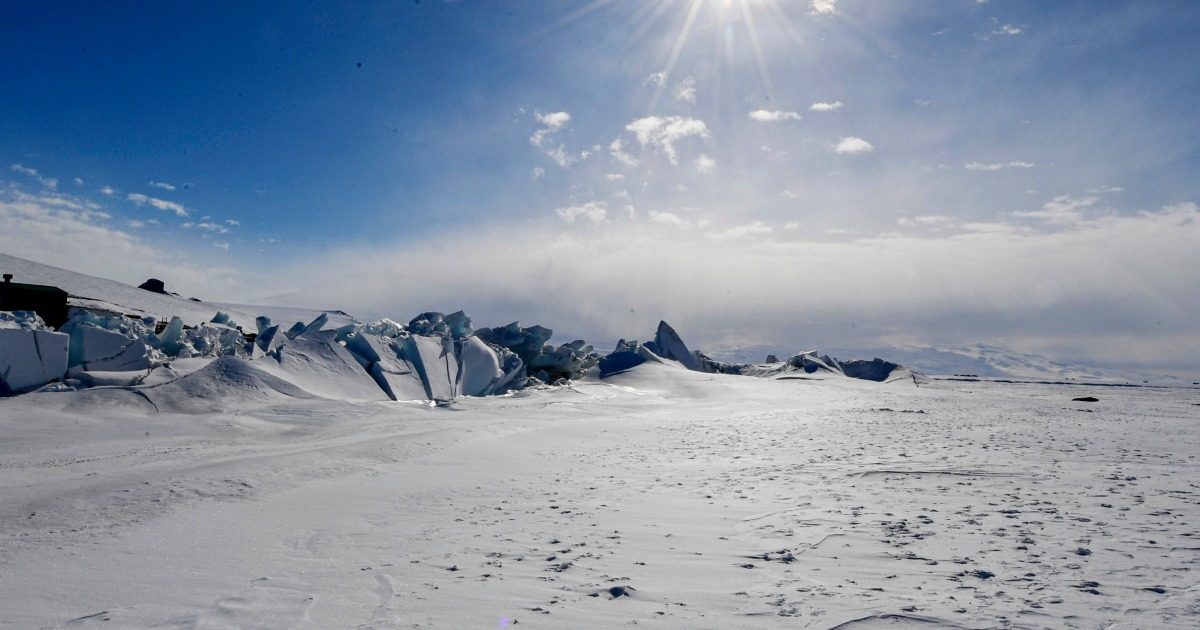
In the vast, icy expanse of Antarctica, far from the comforts of civilization, a troubling incident has emerged from a remote research base. Allegations of assault and harassment have surfaced, igniting serious discussions about safety, conduct, and the mental health of personnel in extreme environments. These allegations not only highlight the challenges faced by those working in such isolated conditions but also raise critical questions about workplace culture and the measures in place to protect employees.
The Incident: A Disturbing Revelation
The allegations, which reportedly involve multiple crew members at the research station, have shocked the scientific community and raised alarms about the interpersonal dynamics at play in such a high-stress environment. The Antarctic base, known for its crucial research on climate change and glaciology, has become the focal point of an investigation that seeks to uncover the truth behind these claims.
While specific details of the allegations remain confidential due to the ongoing investigation, sources indicate that they involve serious accusations of physical and emotional abuse. The isolated nature of the base, where crew members live and work closely together for months on end, may have contributed to an environment where such behaviors could thrive unchecked.
Understanding the Challenge: Life in Isolation
Working in Antarctica is not for the faint-hearted. The extreme conditions, coupled with the isolation, create a unique psychological landscape. Researchers and support staff often endure long periods of darkness, extreme cold, and limited social interaction. In such settings, stress levels can rise dramatically, impacting mental health and interpersonal relationships.
- Isolation: Most personnel are cut off from family and friends for extended periods, leading to feelings of loneliness and anxiety.
- High-Pressure Environment: The stakes are high; research conducted at these bases can have global implications, adding pressure on staff to perform.
- Limited Resources: Access to mental health support and recreational activities is minimal, exacerbating stressors.
These factors create a breeding ground for conflict, making it imperative for institutions to foster a culture of safety and respect. The recent allegations have prompted calls for a reevaluation of policies regarding workplace conduct and the mental well-being of staff members in such extreme conditions.
Impact of Allegations: A Broader Reflection
The assault allegations at the Antarctic base resonate beyond the immediate situation, prompting a broader reflection on workplace environments in science and research. Instances of harassment and abuse are not new to any field, but the unique circumstances of remote research facilities amplify their impact.
Here are some critical implications of these allegations:
- Trust in Institutions: Such incidents can erode trust in research institutions, which are expected to uphold the highest ethical standards.
- Recruitment and Retention: Safety concerns may deter potential candidates from seeking positions in remote research facilities, affecting future research capabilities.
- Cultural Change: Organizations may need to implement significant changes to foster a culture of accountability and respect, ensuring that all employees feel safe and valued.
The Path Forward: Addressing the Issues
In light of these serious allegations, it is crucial for the Antarctic research community to take proactive steps to address the underlying issues. Here are some suggested measures:
- Enhanced Training: Providing comprehensive training on workplace conduct, harassment prevention, and conflict resolution is essential. This training should be mandatory for all personnel, emphasizing the importance of respect and communication.
- Improved Support Systems: Establishing robust mental health support systems is vital. Regular check-ins by mental health professionals and peer support groups can provide necessary outlets for staff dealing with the unique stressors of remote work.
- Clear Reporting Mechanisms: Organizations must implement clear and accessible reporting mechanisms for allegations of misconduct. Employees should feel empowered to speak out without fear of retaliation.
Addressing these issues is not only about managing the current crisis but also about fostering a healthier work environment for future researchers and support staff. The integrity of scientific research hinges on the well-being of its contributors, especially in challenging environments like Antarctica.
Conclusion: A Call to Action
The assault allegations at the Antarctic research base have opened a Pandora’s box of discussions about safety, conduct, and mental health in extreme workplaces. As investigations continue, it is imperative that the scientific community reflects on these challenges and takes actionable steps to ensure the well-being of all personnel.
By fostering a culture of respect and accountability, organizations can not only address the current crisis but also pave the way for a more supportive and inclusive workplace environment. The future of research in Antarctica—and indeed, in all extreme environments—depends on the commitment to protect those who dedicate their lives to understanding our planet.
As we look to the future, let this incident serve as a crucial reminder: the foundation of innovation and discovery rests upon the safety and dignity of every individual involved. It is time to unveil the shadows and work together to create a brighter, more respectful workplace for all.
See more ABC News Feed