Unlikely Alliances: Retirees and Hooligans Ignite Unrest in Argentina
In a surprising turn of events, Argentina has witnessed a tumultuous clash between two seemingly disparate groups: retirees and soccer hooligans. This unexpected alliance has culminated in widespread riots, challenging preconceived notions about age, aggression, and the dynamics of social unrest. As the streets of Argentina echo with cries for change, this article aims to delve into the underlying tensions fueling these disturbances, exploring how such unlikely alliances can emerge in times of crisis.
The Catalyst for Unrest
At the heart of this unrest lie a series of socio-economic challenges that have plagued Argentina for years. With inflation soaring and the cost of living increasing, both retirees and young hooligans find themselves grappling with a shared sense of frustration. While retirees often face the harsh reality of dwindling pensions and healthcare issues, the youth are burdened by unemployment and a lack of opportunities.
- Inflation: Argentina has one of the highest inflation rates in the world, causing significant financial strain on everyday citizens.
- Pension Cuts: Government austerity measures have led to cuts in pensions, leaving many retirees struggling to make ends meet.
- Youth Unemployment: With limited job prospects, young people are feeling disillusioned and are often drawn into the world of organized sports and hooliganism.
These economic pressures have laid the groundwork for a rare collaboration between retirees and hooligans, united by a common goal of demanding change from their government. This unlikely alliance raises important questions about the nature of social movements and who is empowered to speak out against injustice.
Understanding the Unlikely Alliance
The image of retirees as peaceful, docile individuals is being challenged in this scenario. They are stepping out of their comfort zones, joining forces with the often-misunderstood soccer hooligans, who are typically labeled as violent troublemakers. This partnership signifies a newfound resilience among the elderly population, who are no longer willing to stand by as their rights are eroded.
Conversely, hooligans, traditionally associated with aggressive behavior, are finding a voice beyond the soccer stadium. Many within this group are realizing that their passion for sports can translate into a powerful tool for social change. By teaming up with retirees, they are not only gaining legitimacy but also fostering a sense of community that transcends age barriers.
The Dynamics of the Protests
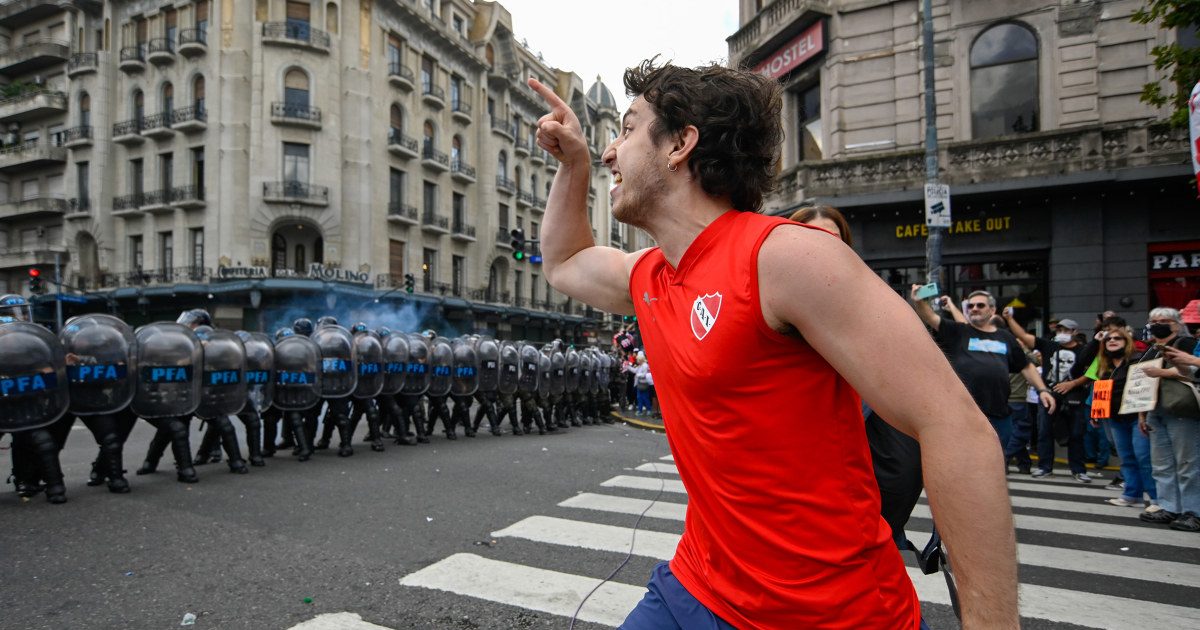
The protests have taken on various forms, from peaceful demonstrations to more intense confrontations with law enforcement. What started as organized marches led by retirees demanding better pensions quickly escalated as hooligans joined in, bringing with them a fervent energy that is often missing from traditional protests.
- Marches and Sit-Ins: The alliance has organized numerous peaceful protests, often starting with retirees and growing in numbers as hooligans join in.
- Confrontations with Police: While many protests remain peaceful, clashes with law enforcement have occurred, highlighting the tension and frustration in the air.
- Social Media Influence: The role of social media in organizing protests cannot be underestimated, with platforms serving as vital tools for communication and mobilization.
These dynamics reflect a shift in how social movements are formed and executed. The blending of different demographics within protests can lead to a more robust and resilient movement, capable of capturing widespread attention and sympathy.
Public Perception and Media Representation
As with any social unrest, public perception plays a crucial role in the effectiveness and longevity of these movements. The media has been instrumental in shaping narratives around the retirees and hooligans, often portraying them as either victims of circumstance or unruly troublemakers.
However, it is essential to recognize the complexity of these individuals. Many retirees have lived through Argentina’s tumultuous history, possessing a wealth of knowledge and experience that can guide the younger generation. On the other hand, hooligans are not merely mindless thugs; they are passionate individuals who care deeply about their communities and are eager to effect change.
What Lies Ahead?
As this unlikely alliance continues to unfold, several key questions arise: Will their efforts lead to meaningful change in government policies? Can this coalition of ages sustain momentum, or will it fizzle out as the initial excitement wanes? The answers to these questions remain to be seen, but there are several factors that could influence the outcome.
- Government Response: How the government reacts to the protests will be crucial. Repression could lead to increased unrest, while concessions could validate the alliance’s efforts.
- Community Support: The support from local communities can bolster the movement, encouraging more citizens to join in and stand against injustices.
- Media Coverage: Continued media attention can amplify their voices, influencing public opinion and potentially leading to broader societal changes.
Ultimately, the alliance between retirees and hooligans in Argentina serves as a powerful reminder that social movements can transcend age, background, and societal labels. It highlights the importance of collaboration in the face of adversity and the potential for collective action to reshape the future. As they march forward, these unlikely allies illuminate the path toward a more equitable society, challenging all of us to reconsider our perceptions of age, aggression, and activism.
Conclusion
The unrest in Argentina, sparked by the alliance of retirees and hooligans, is more than just a series of riots; it is a profound reflection of the country’s socio-economic landscape and the collective yearning for change. As these two groups come together, they challenge the status quo, offering a fresh perspective on activism and solidarity. In a world often divided by age and socio-economic status, their collaboration stands as a testament to the power of unity in the face of adversity.
See more ABC News Feed


