Introduction
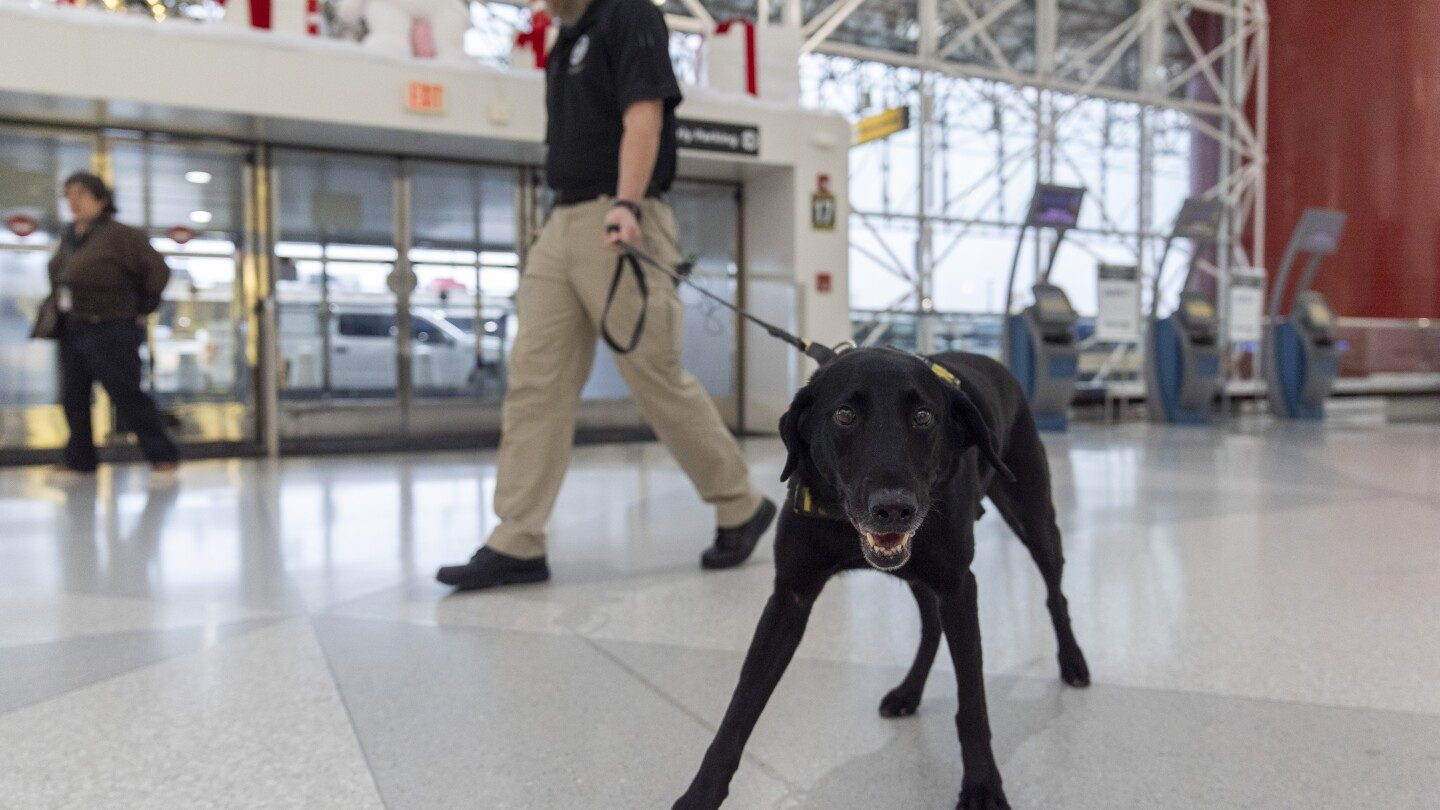
In an era where air travel is an essential component of global connectivity, ensuring the safety of passengers has never been more critical. Among the unsung heroes of airport security is Argo, a highly trained canine who works tirelessly to detect explosives and other potential threats. As a member of the Transportation Security Administration (TSA), Argo has not only made significant contributions to passenger safety but has also captured the hearts of travelers and staff alike. This article delves into the remarkable role of Argo and the broader implications of using canine units in airport security.
The Role of Canine Units in Airport Security
Dogs have been utilized in security roles for decades, and their acute sense of smell makes them invaluable assets in threat detection. According to the American Kennel Club, dogs possess approximately 220 million scent receptors compared to a human’s 5 million, enabling them to detect even the faintest traces of explosives.
How Argo Works
Argo, like many TSA dogs, undergoes rigorous training to identify a variety of explosive substances. This training involves:
- Socialization: Early exposure to different environments helps dogs become comfortable in busy airport settings.
- Detection Training: Canines learn to recognize scents through positive reinforcement techniques, receiving rewards for identifying explosives.
- Continuous Assessment: Regular evaluations ensure that the dogs maintain their skills and respond effectively to various scenarios.
The Impact of Canine Units on Security Protocols
Canine units like Argo significantly enhance the TSA’s ability to secure airports. Their presence not only improves detection rates but also serves as a deterrent to potential threats. Here are some key impacts:
- Enhanced Detection: Canine units can detect explosives that may go unnoticed by human inspectors or machines.
- Efficient Screening: Dogs can expedite the security process, allowing for quicker passenger flow and reduced wait times.
- Public Relations: Well-trained dogs like Argo improve the public’s perception of airport security, providing a more approachable image.
Argo: More Than Just a Security Dog
Argo’s role transcends mere detection; he has become a symbol of safety and reliability at airports. His participation in TSA events and social media campaigns has made him a beloved figure among travelers and staff. The TSA even featured Argo in their annual calendar, showcasing the essential role of canine units in a lighthearted manner.
Community Engagement and Awareness
Argo’s popularity has led to increased community engagement. The TSA has harnessed this interest to educate the public about the importance of airport security. Through demonstrations, school visits, and social media interactions, Argo helps to demystify the security process and foster a sense of trust among travelers.
Challenges Faced by Canine Units
Despite their many contributions, canine units face several challenges:
- Health and Well-being: The demanding nature of airport environments can lead to stress and fatigue for dogs, necessitating proper care and downtime.
- Training Limitations: Not all dogs are suited for detection work; only a small percentage of canines possess the innate skills required for success.
- Public Misunderstanding: Some passengers may not understand the role of service animals, leading to confusion and potential conflicts.
The Broader Implications of Canine Security Units
The success of canine units like Argo raises important questions about the future of security in air travel. As threats evolve, the TSA must adapt its strategies to ensure passenger safety effectively. Here are some considerations for the future:
Integration of Technology and Canine Units
While dogs are excellent at detecting certain threats, the integration of technology can enhance their capabilities. For instance:
- Smart Leashes: These devices can monitor a dog’s health and performance in real-time, providing handlers with crucial data.
- Advanced Scanning Technology: Combining canine detection with advanced scanning systems can create a multi-layered security approach.
Expanding the Role of Canine Units
As the security landscape changes, so too can the roles of canine units. Potential expansions include:
- Counter-Terrorism: Dogs can be trained to detect not only explosives but also chemical agents, enhancing their utility in various security scenarios.
- Behavioral Detection: Canines may be able to sense anxiety or unusual behavior in passengers, providing additional layers of security.
Conclusion
Argo is much more than a canine hero; he represents the dedication and effectiveness of the TSA’s canine units in maintaining airport security. As air travel continues to grow, the role of dogs in detecting threats will remain a vital component of a comprehensive security strategy. By combining the intuition of trained canines like Argo with advancing technology and community engagement, the TSA can ensure that air travel remains safe and secure for everyone.
As we look to the future, the importance of these canine heroes will only grow, illustrating that sometimes, the most effective security measures come with a wagging tail and a loving spirit.
See more ABC News Feed