U.S.-Caribbean Arms Trafficking Kingpin Faces 20 Years in Prison
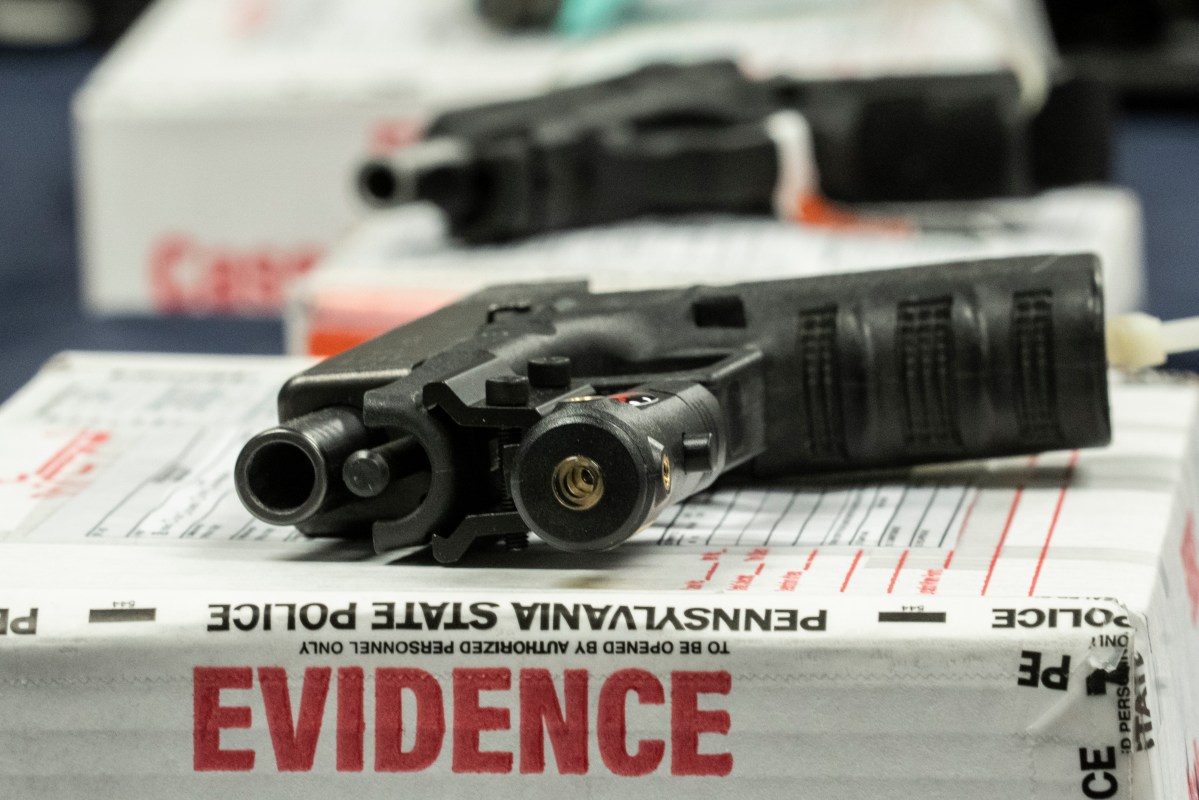
A notorious leader of an arms trafficking network between the United States and the Caribbean has been charged, potentially facing two decades behind bars. This case underscores the ongoing challenges of regulating illegal arms trade in the region, a thorny issue impacting security, stability, and governance in many Caribbean nations.
The Rise of Arms Trafficking in the Caribbean
The Caribbean has been grappling with rising violence and crime rates, particularly linked to drug trafficking and gang-related activities. As such, the demand for illegal firearms has surged, making arms trafficking a lucrative business for criminal networks. The recent arrest of a prominent figure in this illicit trade shines a light on the complexities of controlling the flow of weapons across borders.
Arms trafficking is often facilitated by a combination of factors, including:
- Geographical Location: The Caribbean’s proximity to the United States makes it an ideal transit point for arms smuggling.
- Poor Regulation: Many Caribbean nations struggle with weak law enforcement and inadequate regulatory frameworks.
- Economic Factors: High levels of poverty and unemployment often push individuals toward illegal activities.
The Recent Case: Key Details
The individual at the center of this arms trafficking network has been identified as a significant player in smuggling operations connecting the U.S. with various Caribbean islands. Law enforcement officials report that this kingpin was responsible for distributing a large number of firearms, significantly contributing to the rise in gun violence in several communities.
According to authorities, the network operated by acquiring firearms legally in the United States and then transporting them illegally to the Caribbean. This method exploited loopholes in both U.S. and Caribbean regulations, allowing firearms to flow freely into regions where they were used for criminal activities.
As a result of these actions, the kingpin now faces serious charges that could lead to a sentence of up to 20 years in prison. This case reflects broader efforts by U.S. and Caribbean governments to crack down on illegal arms trafficking and its associated threats to public safety.
The Impact of Illegal Arms Trafficking
The consequences of arms trafficking in the Caribbean are far-reaching. They include:
- Increased Violence: The availability of illegal firearms has led to a surge in homicides and violent crimes.
- Destabilization of Communities: Gang violence fueled by access to firearms can destabilize entire neighborhoods, leading to fear and displacement.
- Challenges for Law Enforcement: Police forces often find themselves outgunned, struggling to maintain order in the face of heavily armed criminals.
Challenges in Combating Arms Trafficking
Despite the recent arrests and heightened awareness, combating arms trafficking in the Caribbean remains an uphill battle. Several challenges hinder effective law enforcement, including:
- Corruption: Corruption within law enforcement agencies can undermine efforts to tackle arms trafficking.
- Lack of Resources: Many Caribbean countries face resource constraints, limiting their ability to combat organized crime.
- Legal Frameworks: Inconsistent and outdated laws across different jurisdictions complicate enforcement efforts.
International Cooperation: A Necessity
To effectively address the arms trafficking crisis, international cooperation is essential. The relationship between the U.S. and Caribbean nations must evolve to facilitate joint operations, intelligence sharing, and capacity building. Some key initiatives could include:
- Joint Task Forces: Establishing task forces that bring together law enforcement from both the U.S. and Caribbean nations to work on arms trafficking cases.
- Training Programs: Providing training for local police forces in arms identification and investigative techniques.
- Legislative Support: Assisting Caribbean nations in updating and strengthening their firearms laws and regulations.
Community-Based Solutions
While law enforcement plays a critical role in combating arms trafficking, community-based solutions are equally important. Engaging communities in crime prevention and providing viable alternatives to violence can help break the cycle of crime and poverty. Initiatives could include:
- Education and Employment: Programs aimed at providing education and job opportunities for at-risk youth can deter them from joining gangs.
- Community Policing: Building trust between law enforcement and communities can lead to better cooperation and intelligence sharing.
- Violence Prevention Programs: Implementing programs that focus on conflict resolution and mediation can reduce the likelihood of violence.
The Road Ahead
The recent indictment of the U.S.-Caribbean arms trafficking kingpin serves as a reminder of the persistent challenges posed by illegal arms trade. However, it also presents an opportunity for renewed focus on collaborative efforts to mitigate this issue. Through enhanced international cooperation, community engagement, and improved regulations, there is potential for meaningful progress in reducing arms trafficking and its impact on Caribbean societies.
As the situation develops, it will be crucial for both governments and communities to remain vigilant and proactive in their efforts. By fostering a culture of safety and accountability, the Caribbean can pave the way for a more secure and prosperous future, free from the chains of illegal arms trafficking.
In conclusion, while the path to resolving the arms trafficking crisis is fraught with challenges, the recent actions taken against a prominent kingpin offer hope. With sustained commitment and strategic partnerships, the tide can potentially turn against illegal arms trade, fostering a safer environment for the Caribbean region.
See more ABC News Feed