Asteroid 2024 YR4: Understanding the Growing Threat of a Potential Earth Impact by 2032
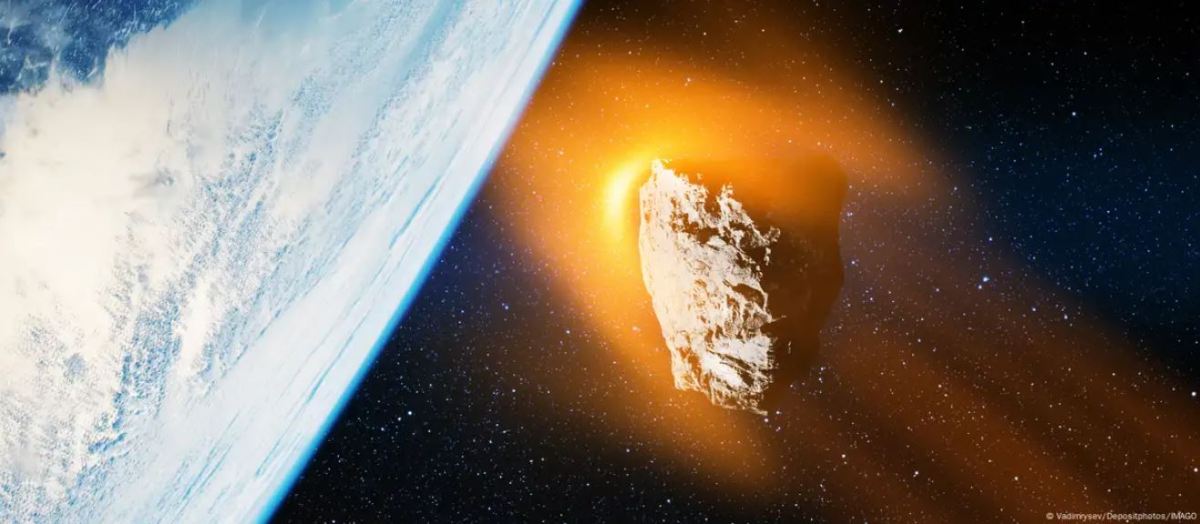
As scientists continue to monitor celestial objects, a pressing concern has emerged regarding Asteroid 2024 YR4. Recent assessments indicate that the likelihood of this asteroid colliding with Earth has doubled by 2032, prompting a flurry of activity among planetary defense experts. Understanding this potential threat is crucial for ensuring the safety of our planet and developing effective strategies to mitigate risks from cosmic objects.
What is Asteroid 2024 YR4?
Asteroid 2024 YR4 is a near-Earth object (NEO) that was first detected in late 2024. Since its discovery, astronomers have been closely tracking its trajectory, size, and composition. Measuring approximately 140 meters in diameter, this asteroid is classified as a potentially hazardous asteroid (PHA) due to its size and proximity to Earth’s orbit.
The Growing Concern: Collision Probability
Initially, the chances of Asteroid 2024 YR4 impacting Earth were relatively low. However, updated models and observations have revealed that these probabilities have increased significantly. Current estimates suggest that by 2032, the likelihood of collision could rise to nearly 0.05%—a seemingly small number, but significant given the potential consequences of such an event.
- Impact Effects: An impact from a 140-meter asteroid could release energy equivalent to several kilotons of TNT. This could result in devastating local effects, including shockwaves, fires, and potentially significant loss of life.
- Global Consequences: Depending on the impact location, there could be far-reaching consequences, including climate disruption and economic instability.
Evaluating the Implications for Planetary Safety
The revelation of increased collision probabilities for Asteroid 2024 YR4 raises urgent questions about our preparedness for such cosmic threats. With the potential for impacts becoming more likely, understanding the implications for planetary safety is crucial.
Current Planetary Defense Strategies
Currently, several organizations are actively engaged in monitoring NEOs, including NASA’s Near-Earth Object Observations (NEOO) program and the European Space Agency (ESA). These programs utilize advanced telescopes and radar technology to track asteroids and predict their paths. The primary strategies include:
- Surveillance: Continuous observation of NEOs to assess their trajectories and any changes that may occur.
- Impact Prediction: Developing models to predict the potential impact of asteroids and their effects on Earth.
- Deflection Missions: Planning missions to alter an asteroid’s trajectory. One notable mission is NASA’s DART (Double Asteroid Redirection Test), which aims to test the feasibility of deflecting an asteroid by crashing a spacecraft into it.
The Role of International Collaboration
Given the global nature of the threat posed by asteroids like 2024 YR4, international collaboration is essential. Countries around the world are working together to share data, resources, and expertise. Initiatives such as the United Nations Office for Outer Space Affairs (UNOOSA) promote cooperation in space exploration and planetary protection.
Public Awareness and Preparedness
While scientists and researchers work diligently to understand and mitigate the threat posed by Asteroid 2024 YR4, public awareness is equally important. Educating the public about potential impacts and the measures in place for planetary defense can foster a sense of preparedness and resilience.
Engaging Communities
Community engagement plays a vital role in building awareness and preparedness. Here are a few strategies to consider:
- Educational Programs: Schools and community centers can host workshops and seminars explaining the nature of asteroids and the science behind tracking them.
- Media Campaigns: Utilizing social media and traditional media to disseminate information about ongoing research and planetary defense initiatives.
- Emergency Preparedness Drills: Just as communities prepare for natural disasters, incorporating asteroid impact scenarios into emergency response drills can help individuals know how to respond.
Scientific Research and Development
Beyond immediate monitoring and public engagement, investment in scientific research and technology development is essential. Breakthroughs in materials science, propulsion technology, and impact assessment can enhance our ability to respond to potential threats.
- Innovative Technologies: Research into advanced propulsion systems could allow for more efficient deflection missions.
- Collaboration with Private Sector: Partnerships with private companies can spur innovation and help develop new technologies for asteroid detection and deflection.
The Road Ahead: Optimism in the Face of Challenges
While the potential threat of Asteroid 2024 YR4 may seem daunting, there is much to be optimistic about. The advancements in technology, the commitment of the scientific community, and the growing awareness of the public all contribute to a robust framework for addressing this challenge.
As we move closer to 2032, it is imperative that we remain vigilant and proactive. Continuous monitoring, international collaboration, and public engagement will be key components in ensuring our planet’s safety from cosmic threats.
Conclusion
The increasing likelihood of an impact from Asteroid 2024 YR4 serves as a crucial reminder of the importance of planetary defense. By investing in research, fostering international cooperation, and educating the public, we can enhance our preparedness for potential cosmic threats. While the journey ahead may be fraught with challenges, the collective efforts of scientists, policymakers, and communities can pave the way for a safer future.
See more ABC News Feed