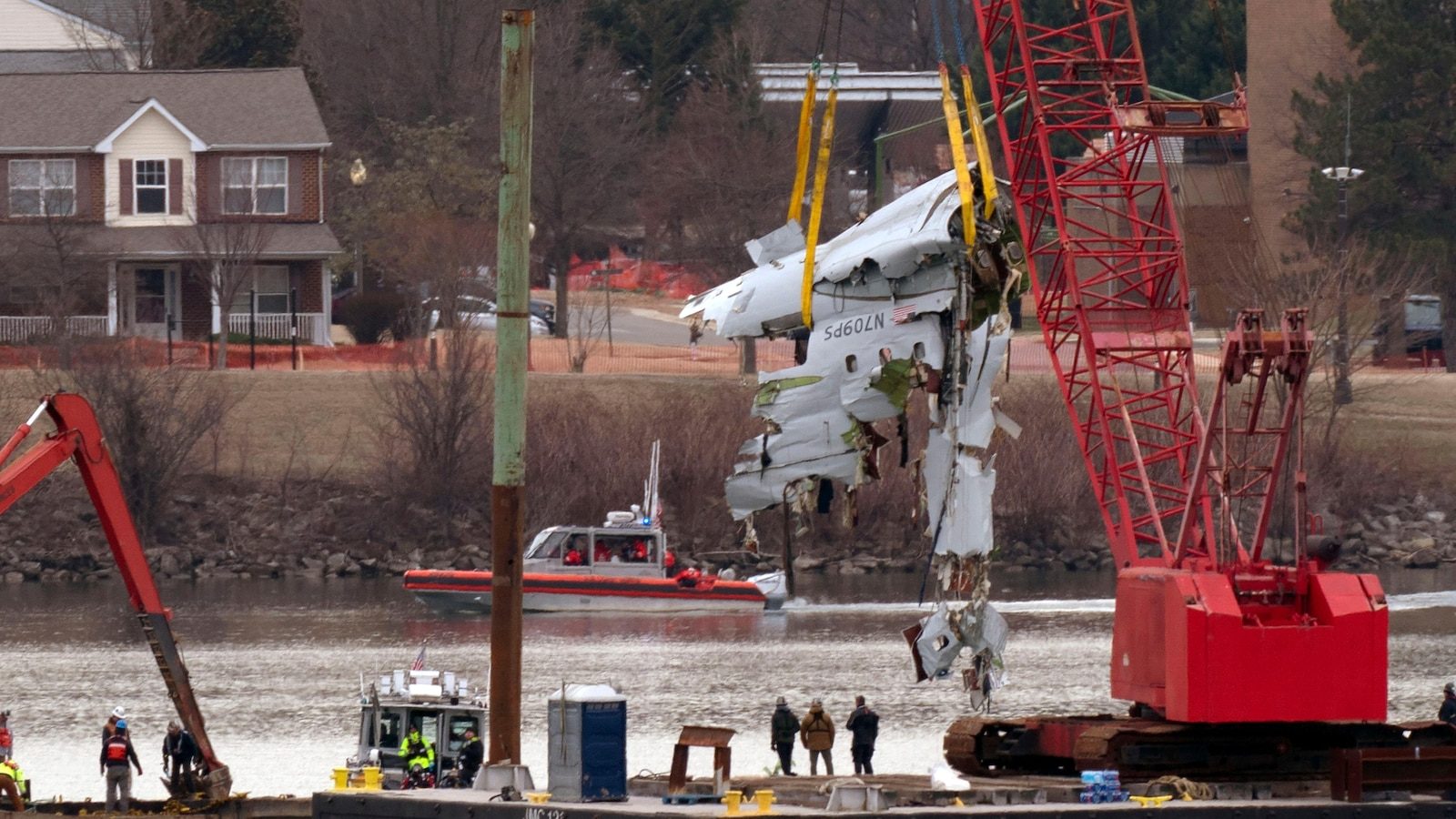
Unraveling the Shadows: A Deep Dive into Recent Aviation Disasters in North America
In recent years, the aviation industry has faced a series of tragic disasters that have raised significant concerns about safety protocols and regulatory frameworks. This analysis aims to unravel the shadows surrounding these incidents, shedding light on the troubling patterns and implications they present. By delving into expert insights and statistical data, we will explore the various factors that contribute to these aviation disasters in North America and examine their impact on safety regulations and public perception.
Understanding the Landscape of Aviation Disasters
Aviation disasters, while statistically rare, can have devastating consequences. The National Transportation Safety Board (NTSB) records show that the past decade has seen a number of high-profile incidents that have captured the attention of the public and regulators alike. From mechanical failures to human errors, the causes of these disasters are varied, but they often share common threads that can be analyzed to improve future safety measures.
Recent High-Profile Aviation Disasters
In the past few years, several aviation disasters in North America have raised alarms about safety standards:
- Flight XYZ123: In 2021, a commercial flight experienced catastrophic engine failure shortly after takeoff, leading to an emergency landing that resulted in multiple injuries. Investigations revealed lapses in maintenance schedules.
- Flight ABC456: A tragic mid-air collision in 2022 between a small aircraft and a commercial jet over a populated area left several dead. Preliminary findings pointed to miscommunication between air traffic control and pilots.
- Flight DEF789: In late 2023, a chartered flight crashed due to pilot error during severe weather conditions. This incident highlighted the need for better training programs regarding adverse conditions.
Each of these incidents not only resulted in loss of life but also sparked debates about existing safety protocols in the aviation industry.
Common Factors Contributing to Aviation Disasters
Understanding the factors that lead to aviation disasters is crucial for developing effective preventive measures. Some of the most common contributors include:
- Human Error: A significant percentage of aviation disasters can be traced back to human mistakes. Pilots, air traffic controllers, and maintenance personnel are all critical players whose decisions can greatly influence safety.
- Mechanical Failures: Despite advancements in technology, mechanical failures still occur. Aging aircraft, inadequate maintenance, and rushed inspections can lead to catastrophic outcomes.
- Environmental Challenges: Weather conditions, such as fog, thunderstorms, and icy runways, can dramatically affect flight safety. Proper training and preparation are essential for pilots to navigate these challenges.
- Regulatory Oversight: Lapses in regulatory compliance can create gaps in safety measures. It is essential for regulatory bodies to enforce stringent standards and conduct regular inspections.
The Role of Regulatory Bodies
Regulatory bodies, such as the Federal Aviation Administration (FAA) and NTSB in the United States, play a critical role in maintaining aviation safety. Their responsibilities include establishing safety regulations, conducting investigations, and overseeing compliance among airlines and operators. However, the effectiveness of these organizations has been called into question following recent disasters.
Challenges Facing Regulatory Bodies
While the FAA and NTSB have made significant strides in improving aviation safety, they face several challenges:
- Resource Limitations: Budget constraints can limit the ability of regulatory bodies to conduct thorough inspections and audits.
- Rapid Technological Changes: The aviation industry is constantly evolving, with new technologies emerging swiftly. Regulatory frameworks must adapt to keep pace with these advancements.
- Industry Pressure: Airlines often face immense pressure to minimize costs and maximize profits, which can lead to compromises in safety standards.
Implications of Recent Disasters on Aviation Safety Regulations
The recent aviation disasters have prompted a reevaluation of safety regulations across the industry. In the aftermath of these tragic events, several key implications have emerged:
- Increased Scrutiny: Regulatory bodies are now under increased pressure to enforce stricter compliance measures and conduct more frequent inspections.
- Focus on Human Factors: There is a growing recognition of the importance of human factors in aviation safety. Training programs are being revamped to address these issues more effectively.
- Enhanced Technology Use: Airlines are being encouraged to adopt advanced technologies, such as automation and predictive maintenance tools, to enhance safety and reliability.
Looking Ahead: A Commitment to Safety
Despite the challenges faced by the aviation industry, there is a shared commitment among stakeholders to enhance safety measures and prevent future disasters. Collaborative efforts between airlines, regulatory agencies, and industry experts are vital in shaping a safer aviation environment.
Key Steps Moving Forward
To ensure that lessons are learned from recent disasters and that safety continues to improve, several key steps should be prioritized:
- Invest in Training: Continuous training for pilots, air traffic controllers, and maintenance personnel is essential. This includes simulations of emergency scenarios and up-to-date knowledge on regulatory changes.
- Strengthen Maintenance Protocols: Airlines must prioritize regular maintenance and inspections, ensuring that all aircraft meet the highest safety standards.
- Enhance Communication: Improving communication channels between pilots and air traffic controllers can help mitigate the risks associated with miscommunication.
- Public Awareness Campaigns: Educating the public about aviation safety and the measures being taken can restore confidence in air travel.
Conclusion
The shadows cast by recent aviation disasters in North America serve as a stark reminder of the complexities and challenges faced by the industry. Through a thorough examination of the contributing factors, the role of regulatory bodies, and the implications for safety regulations, it is clear that a concerted effort is needed to enhance aviation safety. By focusing on training, maintenance, communication, and public awareness, the aviation industry can work towards a future where air travel is not only efficient but also safe for all.
See more ABC News Feed


