Urgent Call for Enhanced Aviation Safety Following Heartbreaking DC Plane Tragedy
In a somber reminder of the inherent risks associated with air travel, the recent plane crash in Washington D.C. has left a profound impact on the nation. This devastating incident has not only claimed lives but also sparked an urgent call for enhanced aviation safety measures. Vice President Vance’s emphatic remarks following the tragedy underscore the critical need to reevaluate and bolster our current aviation safety regulations. The question on everyone’s mind is: how can we ensure that such heartbreaking events do not occur again?
The Incident: A Heartbreaking Loss
On a clear afternoon, a small plane tragically crashed in a populated area of Washington D.C., leading to the loss of several lives and significant destruction. Eyewitness accounts described a horrifying scene as the aircraft descended rapidly before colliding with a building, igniting a fireball that could be seen for miles. Emergency responders rushed to the site, but the damage was already done. As the dust settled, families were left grieving, and the nation was left questioning the safety of air travel.
The Federal Aviation Administration (FAA) swiftly began an investigation into the circumstances surrounding the crash. Preliminary reports suggested potential mechanical failure, but the full details are yet to emerge. What remains clear is the urgent need for a reassessment of aviation safety standards across the board.
Vice President Vance’s Call to Action
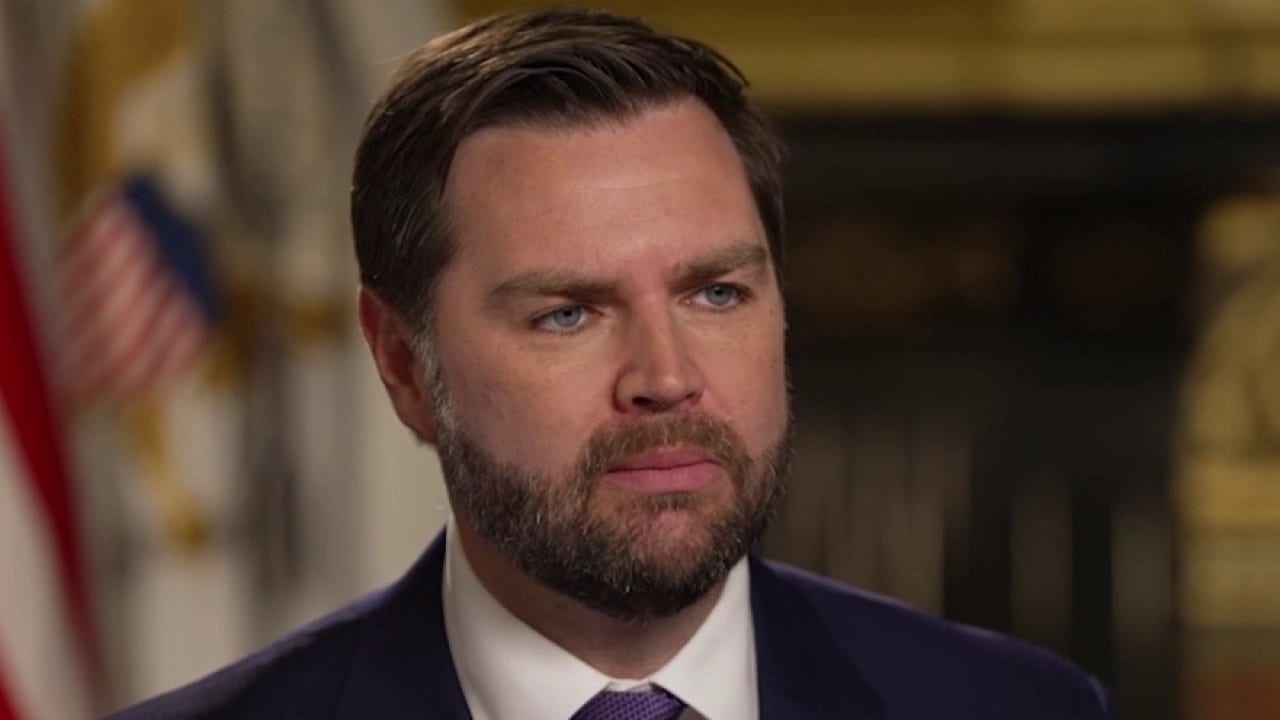
In the wake of this tragedy, Vice President Vance delivered a powerful address, emphasizing the necessity for improved aviation safety measures. He stated, “This heartbreaking incident is a wake-up call for all of us. We must ensure that our skies are safe and that families can travel without fear.” His statement resonated deeply with the public, igniting a national conversation about the effectiveness of current regulations and practices.
Vance outlined several key areas where improvements could be made:
- Regular Inspection Protocols: Enhancing the frequency and thoroughness of aircraft inspections to identify potential issues before they lead to disasters.
- Pilot Training Standards: Reevaluating and strengthening training requirements to ensure pilots are equipped to handle emergencies effectively.
- Public Awareness Campaigns: Educating passengers about safety protocols and what to do in case of an emergency.
- Technological Advancements: Encouraging the adoption of cutting-edge technology to monitor aircraft performance and alert crews to potential malfunctions.
The Importance of Regulatory Oversight
As discussions unfold, it’s essential to consider the role of regulatory agencies in maintaining aviation safety. The FAA plays a vital part in overseeing aviation operations, but some experts argue that the agency faces challenges in keeping pace with the rapid advancements in technology and the growing number of flights. Enhanced regulatory oversight could involve:
- Increased Funding: Allocating more resources to the FAA to improve its capabilities and reach.
- Collaborative Efforts: Working closely with aviation stakeholders, including airlines, manufacturers, and pilot associations, to ensure comprehensive safety practices are established.
- Data-Driven Approaches: Utilizing data analytics to identify trends and foresee potential safety issues before they escalate.
Public Reaction: Voices of Concern
The public response to the DC plane tragedy has been a mix of sorrow and anger. Many families of victims have come forward to express their grief and demand accountability. Community leaders have also joined the call for change, underscoring the need for a collective effort to enhance aviation safety.
Social media platforms have become a hub for discussions about aviation safety, with hashtags like #AviationSafetyNow gaining traction. Citizens are sharing personal anecdotes, urging lawmakers to take immediate action to prevent future tragedies. This grassroots movement highlights the importance of community engagement in advocating for safer skies.
Lessons from History
Historically, several aviation disasters have prompted significant changes in safety regulations. The 1982 Air Florida Flight 90 crash, for instance, led to more stringent de-icing procedures and improved pilot training. Similarly, the tragic events of September 11, 2001, catalyzed an overhaul of airport security protocols. These instances illustrate that while tragedy often serves as a catalyst for change, it is essential to learn from past mistakes to forge a safer future.
As we reflect on the heartbreaking DC plane tragedy, it is crucial to remember that aviation safety is not just about regulations; it’s about a culture of safety that prioritizes the lives of passengers and crew. This culture must be ingrained at every level of the aviation industry, from manufacturers to operators.
Global Perspectives on Aviation Safety
Aviation safety is a global concern, and many countries have implemented innovative measures to enhance safety protocols. For instance, the European Union Aviation Safety Agency (EASA) has established rigorous standards for aircraft maintenance and pilot training that could serve as a model for other nations. Learning from these global best practices can help the United States strengthen its aviation safety framework.
Moving Forward: A Collective Responsibility
As we navigate the aftermath of the tragic plane crash in Washington D.C., it is clear that enhancing aviation safety is a collective responsibility. This involves collaboration among government agencies, airlines, pilots, and passengers themselves. By working together, we can foster a safer aviation environment and honor the memories of those lost in this tragic event.
In conclusion, the urgent call for enhanced aviation safety following the heartbreaking DC plane tragedy resonates deeply with all who value the sanctity of human life. As we reflect on the past and look to the future, let us champion a robust approach to aviation safety that prioritizes innovation, training, and comprehensive oversight. Together, we can ensure that our skies remain safe for generations to come.
See more ABC News Feed