Close Call in the Skies: Understanding the Recent Near-Miss Incident
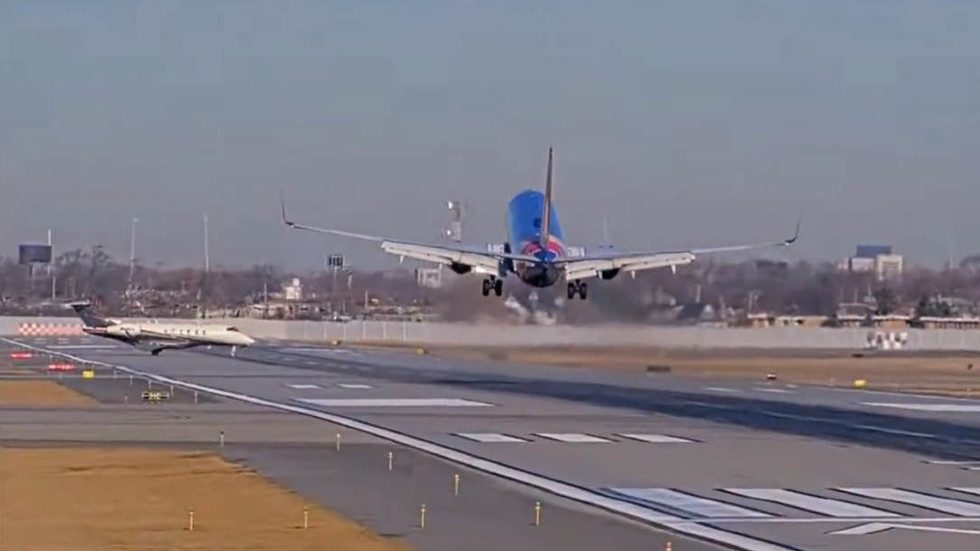
A recent near-miss incident between a US passenger aircraft and a private jet has raised significant concerns about air traffic safety. This close call in the skies has captured the attention of aviation experts, regulatory bodies, and the public alike, highlighting the critical importance of vigilance in aviation. As the aviation industry continues to recover from the disruptions caused by the pandemic, incidents like these remind us of the ongoing challenges in ensuring the safety of air travel.
The Incident: What Happened?
The unsettling event unfolded during a routine flight when a commercial passenger plane, en route to its destination, encountered a private jet that had strayed into its flight path. Eyewitness accounts and cockpit recordings reveal a tense moment as the pilots on the passenger aircraft quickly assessed the situation, realizing they were on a collision course.
According to reports, the passenger plane, carrying over a hundred passengers, was approaching its descent when the private jet, which had taken off from a nearby airport, unexpectedly crossed its flight path. Thanks to the quick thinking and decisive actions of the crew, the passenger aircraft was able to execute an evasive maneuver, averting what could have been a catastrophic collision.
Footage and Analysis of the Close Call
Footage of the incident has surfaced, showcasing the dramatic moments just before the planes narrowly avoided disaster. The visuals serve as a stark reminder of the complexities of modern air traffic management and the vital role communication plays in maintaining safety.
Experts in aviation safety have analyzed this footage, noting that the incident was a perfect example of how critical situational awareness is for pilots. The ability to quickly interpret information from air traffic control and onboard systems can make the difference between a routine flight and a serious incident.
Factors Contributing to the Near-Miss
Several factors contributed to this near-miss situation, drawing attention to the interplay between technology, human oversight, and regulatory frameworks.
- Air Traffic Control (ATC) Communication: Effective communication between ATC and pilots is essential in preventing such close encounters. Any lapse or miscommunication can lead to dangerous situations.
- Technology Limitations: While modern air traffic control systems are advanced, they are not infallible. The reliance on radar and transponder signals can sometimes lead to misunderstandings, especially in busy airspaces.
- Human Error: Pilots and air traffic controllers are human and can make mistakes. Stress, fatigue, or distractions can impair decision-making abilities during critical moments.
The Importance of Vigilance in Aviation
This incident underscores the importance of vigilance in aviation. Pilots undergo rigorous training to prepare for emergency situations, but real-life scenarios can be unpredictable. The aviation community must continually emphasize training, simulations, and drills to keep skills sharp and maintain a high level of preparedness.
Moreover, the incident has reignited discussions around the need for stricter regulations regarding private jet operations. As private aviation becomes more popular, ensuring that these aircraft adhere to the same safety protocols as commercial airlines is crucial. Enhanced regulations could prevent future close calls in the skies.
Industry Response: Moving Forward
In the aftermath of this close call, the aviation industry is taking proactive steps to address the concerns raised. Airlines, aviation authorities, and private jet operators are reviewing existing safety protocols and exploring new technologies to enhance situational awareness and communication.
- Enhanced Training Programs: Airlines are investing in advanced training programs for pilots and crew members that focus on real-time decision-making and emergency response scenarios.
- Technological Innovations: The integration of new technologies, such as Automatic Dependent Surveillance–Broadcast (ADS-B), is being prioritized to improve tracking of aircraft, especially in congested airspace.
- Regulatory Revisions: Regulatory bodies are considering revisions to existing policies governing private aviation to ensure that these aircraft operate under stringent safety standards.
Insights from Aviation Experts
Aviation experts emphasize that while the incident was alarming, it is also an opportunity for growth and improvement within the industry. Dr. Emily Carter, a renowned aviation safety consultant, noted, “Incidents like these serve as vital learning experiences. They highlight areas where we can improve, ensuring that safety remains the top priority in aviation.”
Furthermore, pilots who have experienced similar situations stress the importance of maintaining a culture of safety. “It’s essential for all members of the aviation community to prioritize safety and communication,” said Captain John Miller, a veteran pilot with over 20 years of experience. “Every flight is a team effort, and vigilance is key.”
Conclusion: A Call for Continuous Improvement
The recent close call in the skies between a US passenger plane and a private jet serves as a powerful reminder of the inherent risks of aviation. While technology and protocols have advanced significantly over the years, the human element remains a crucial factor in ensuring flight safety.
The industry must take this incident seriously, using it as a catalyst for change. Continuous improvement in training, regulations, and technology will be paramount in preventing future close calls. As we move forward, the aviation community must remain vigilant, prioritizing safety above all else to ensure that flying continues to be one of the safest modes of transportation available.
Ultimately, the goal is clear: to foster an environment where close calls in the skies become a rarity, not a reality. Through collective efforts and unwavering commitment to safety, the aviation industry can rise to the challenges it faces, ensuring peace of mind for passengers and crews alike.
See more ABC News Feed