Ballerina’s Journey: Wrongful Detention Sparks International Concern
The journey of a Russian-American ballerina, whose recent wrongful detention has sent ripples through international communities, underscores the intricate interplay between personal freedoms and global political dynamics. This incident, marked by unexpected twists and profound implications, raises critical questions about justice, human rights, and the often precarious nature of international relations.
The Incident: A Ballerina’s Nightmare
During a routine performance tour, the ballerina, known for her grace and dedication to the art, found herself embroiled in a situation that would change her life forever. Detained under circumstances that many critics argue were unjust, her experience not only highlights the fragility of personal freedom but also emphasizes how cultural ambassadors can become pawns in larger geopolitical struggles.
On a seemingly ordinary day, she was approached by local authorities during a scheduled rehearsal. The reasons for her detention were murky at best, with officials citing alleged discrepancies in her visa documentation. However, many observers noted that the timing and nature of her detainment felt orchestrated, especially given the heightened tensions between the United States and Russia.
International Reactions: A Collective Outcry
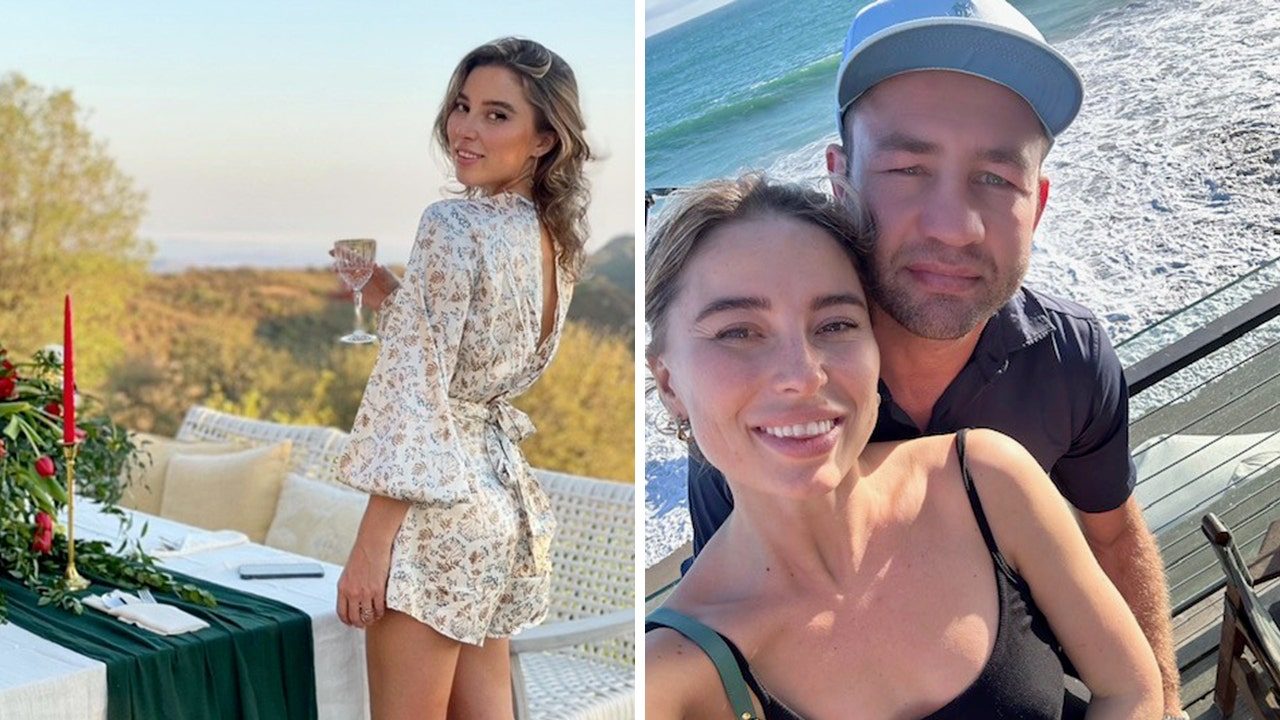
The ballerina’s ordeal quickly garnered international attention, prompting a wave of concern from various quarters. Social media platforms erupted with hashtags advocating for her release, while prominent figures in the arts and beyond voiced their support. Her boyfriend, a passionate advocate for her freedom, took to the airwaves, emphasizing the absurdity of the situation.
“She is an artist, not a criminal,” he stated during an interview, encapsulating the sentiments of many who rallied behind her cause. This statement resonated with supporters across the globe, emphasizing how artists often transcend borders and should be celebrated rather than persecuted.
Mobilizing Support: The Role of Activism
As the news of her detention spread, various organizations dedicated to human rights and artistic freedom mobilized to raise awareness. Petitions circulated, demanding her immediate release and urging diplomatic channels to intervene. The arts community, known for its ability to unite people from diverse backgrounds, became a vital force in advocating for the ballerina’s rights.
- Human Rights Watch issued a statement calling for transparency and due process.
- The American Civil Liberties Union emphasized the importance of protecting freedoms for all individuals, regardless of nationality.
- Artists for Peace and Justice organized events to highlight the plight of artists facing political persecution.
This collective outcry illustrates how wrongful detention can become a catalyst for broader discussions about human rights, artistic expression, and the responsibilities of governments to protect their citizens abroad.
The Complexities of International Relations
The ballerina’s situation is emblematic of the complexities that often characterize international relations. In recent years, tensions between the United States and Russia have escalated, leading to a climate of distrust and hostility. This backdrop raises essential questions about how individuals, particularly those in the arts, navigate their careers amidst such geopolitical strife.
For many artists, their work often involves traveling across borders, sharing cultural narratives, and fostering understanding among diverse audiences. However, when political climates shift, these individuals can find themselves caught in the crossfire, facing scrutiny and even detention for reasons that may be entirely beyond their control.
Implications for Artists and Cultural Diplomacy
The implications of this incident extend far beyond the ballerina’s personal experience; they touch upon the future of cultural diplomacy in a world increasingly fraught with division. Artists play a crucial role in bridging gaps between cultures, often serving as ambassadors of goodwill. However, when these individuals are wrongfully detained, it sends a chilling message to other artists contemplating international collaboration.
- Fear of Repercussions: Artists may hesitate to engage in cross-border projects, fearing political backlash or legal complications.
- Impact on Cultural Exchange: Reduced willingness to participate in international festivals or collaborations may hinder cultural growth and understanding.
- Political Manipulation: Governments may exploit artists for propaganda, further complicating their roles on the global stage.
Legal and Human Rights Perspectives
From a legal standpoint, the ballerina’s wrongful detention raises critical questions about the rights of individuals in foreign nations. International law stipulates that all individuals deserve fair treatment, yet the reality often deviates from these ideals. Legal experts argue that the lack of transparency in such cases can erode public trust in judicial systems.
Human rights advocates contend that the ballerina’s case reflects a broader trend of increasing authoritarianism, where dissent is stifled, and individuals face arbitrary detention. As countries grapple with issues of freedom and justice, it is vital to hold governments accountable for their actions.
Hope Amidst Adversity: The Path Forward
Despite the challenges faced, the ballerina’s journey serves as a beacon of hope. Her story has ignited conversations about the importance of freedom, justice, and the power of collective action. While her future remains uncertain, the global support she has garnered illustrates the resilience of the human spirit in the face of adversity.
As she navigates this tumultuous period, it is crucial for her supporters to continue advocating for justice—not just for her, but for all individuals who find themselves caught in the web of political strife. The call for a fair resolution resonates beyond her personal narrative, symbolizing a broader fight for human rights and artistic freedom.
Conclusion: A Call to Action
The ballerina’s journey, marked by wrongful detention and international concern, serves as a poignant reminder of the complexities inherent in the intersection of art and politics. As we reflect on her experience, it becomes clear that the fight for justice is far from over. We must continue to raise our voices, advocate for the rights of individuals globally, and foster an environment where art can thrive free from the shadows of political oppression.
In an increasingly interconnected world, let us remember that each artist is a thread in the tapestry of human expression, deserving of respect, freedom, and the opportunity to share their gifts without fear. The world is watching, and it is our collective responsibility to ensure that the ballerina’s journey inspires meaningful change.
See more ABC News Feed