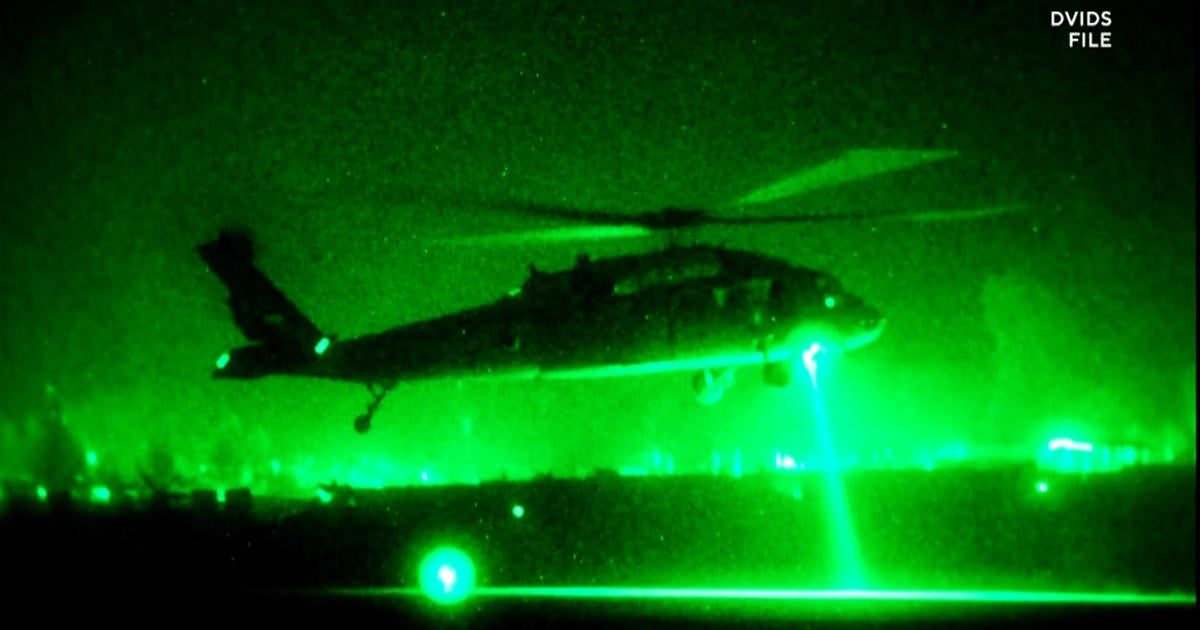
Inside the Incident: The Black Hawk Chopper’s Training Flight Collision in D.C.
A recent incident involving a Black Hawk helicopter during a routine training exercise in Washington D.C. has sparked significant concern regarding safety protocols and air traffic management. This unfortunate event raises critical questions about the implications for military training operations in urban environments, highlighting the inherent risks associated with conducting flight training in densely populated areas.
The Incident Overview
On a clear afternoon, a Black Hawk helicopter, part of the U.S. Army’s training fleet, was engaged in standard flight maneuvers when it collided with an unmanned aerial vehicle (UAV). The incident occurred near a designated training zone, but its proximity to urban structures and civilian air traffic has led to a thorough investigation by military and aviation authorities.
Fortunately, there were no injuries reported among the crew or civilians, but the potential for catastrophic outcomes is a stark reminder of the challenges faced by military operations in urban settings. The Black Hawk helicopter is renowned for its versatility and resilience, but even the most advanced aircraft can be susceptible to mishaps, especially in complex environments.
Understanding the Black Hawk Helicopter
The Black Hawk helicopter, officially known as the UH-60, has been a crucial workhorse for the U.S. Army since its introduction in the late 1970s. Designed for tactical operations, it serves various roles, including troop transport, medical evacuation, and logistical support. Its capabilities include:
- Multi-Mission Flexibility: The Black Hawk can adapt to a variety of operational needs.
- Advanced Avionics: Equipped with state-of-the-art navigation and communication systems.
- Robust Design: Built to withstand adverse conditions and enemy fire.
This versatility is what makes the Black Hawk a staple in military operations, but it also means that pilots must train rigorously to master its complexities, especially in environments where airspace is crowded.
Safety Protocols and Air Traffic Management
The collision incident has brought to the forefront discussions about the adequacy of current safety protocols for military training flights, particularly in urban areas. Air traffic management for military operations differs significantly from civilian aviation. Key challenges include:
- Communication: Clear and reliable communication with civilian air traffic control is vital to avoid conflicts.
- Coordination: Military training schedules must be coordinated with civilian aviation to minimize disruptions.
- Situational Awareness: Pilots must maintain a high level of awareness of their surroundings, especially in urban landscapes filled with obstacles.
In the case of the Black Hawk chopper’s training flight collision, preliminary reports suggest that there may have been lapses in communication between the helicopter crew and air traffic control regarding the presence of the UAV in the area. This incident underscores the need for enhanced protocols and training focused on urban operations.
The Implications for Military Training Operations
As military operations increasingly occur in urban settings, the implications of this incident are far-reaching. Urban environments present unique challenges that differ from traditional training grounds. Some of the key implications include:
- Increased Risk: The risk of accidents and collisions rises dramatically in densely populated areas.
- Need for Enhanced Training: Pilots and crews may require specialized training that focuses on urban navigation and emergency procedures.
- Reassessing Training Areas: Military training zones may need to be reevaluated to ensure they are safe and effective for modern operations.
Furthermore, military planners must consider the psychological impact on civilians witnessing military operations in their neighborhoods. Transparency and community engagement are essential to foster understanding and mitigate concerns regarding safety.
Community Response and Engagement
The community’s response to the Black Hawk helicopter’s training flight collision has been one of concern but also curiosity about military operations in urban areas. Many residents expressed gratitude that no one was injured, but questions about the safety of such training exercises linger. Engaging with the community can help address these concerns:
- Public Forums: Hosting discussions can provide a platform for residents to voice their concerns and learn more about military operations.
- Education Programs: Informative programs can demystify military training and its necessity for national security.
- Transparency: Open communication regarding safety measures and operational changes can build trust between the military and civilian populations.
Looking Ahead: Ensuring Safety and Preparedness
In the aftermath of the Black Hawk chopper’s training flight collision, it is imperative that military authorities take decisive steps to enhance safety protocols and operational readiness. Lessons learned from this incident must be integrated into training programs and operational guidelines to prevent future occurrences.
Potential measures to improve safety include:
- Regular Audits: Conducting frequent reviews of training protocols and air traffic management practices.
- Advanced Simulation Training: Utilizing simulators to prepare pilots for complex urban scenarios without the risks associated with real flights.
- Collaborative Exercises: Engaging with civilian aviation authorities to conduct joint training exercises that promote understanding and cooperation.
Ultimately, the goal is to strike a balance between effective military training and the safety of civilian populations. As urban warfare becomes an increasingly relevant aspect of military operations, adapting to these challenges is not just necessary; it is essential for the safety and preparedness of both military personnel and the communities they serve.
Conclusion
The Black Hawk helicopter’s training flight collision in Washington D.C. serves as a critical reminder of the complexities involved in military operations within urban environments. As investigations continue, it is essential for military and civilian authorities to collaborate closely, ensuring that safety protocols are robust and that community concerns are addressed. The path forward involves learning from this incident to enhance operational safety and maintain the trust of the public, ultimately protecting both those who serve and those who reside in the shadows of military operations.
See more ABC News Feed