Tragedy at Sea: Search Continues for Victims of New York Boat Disaster
A devastating boat sinking off the coast of New York City has left authorities searching for a fourth presumed victim. This tragic incident not only highlights the human toll of maritime accidents but also raises significant questions about safety regulations and the efficacy of rescue operations in challenging maritime environments. As the search continues, families of the victims and the broader community remain in mourning, grappling with the implications of this calamity.
The Incident: A Timeline of Events
On a crisp autumn day, a group of friends set out on what they had hoped would be a joyful excursion, only for it to turn into a horrifying nightmare. Reports suggest that the boat, a small recreational vessel, began taking on water shortly after leaving the dock. Witnesses noted that the vessel appeared to be overloaded, with more passengers than it was designed to carry.
Within minutes, the boat capsized, throwing its occupants into the turbulent waters of New York Harbor. Emergency services received distress calls almost immediately, prompting a swift response from local Coast Guard units and rescue teams. However, despite their best efforts, three individuals were confirmed dead shortly after the incident, with a fourth still unaccounted for.
Ongoing Search Efforts
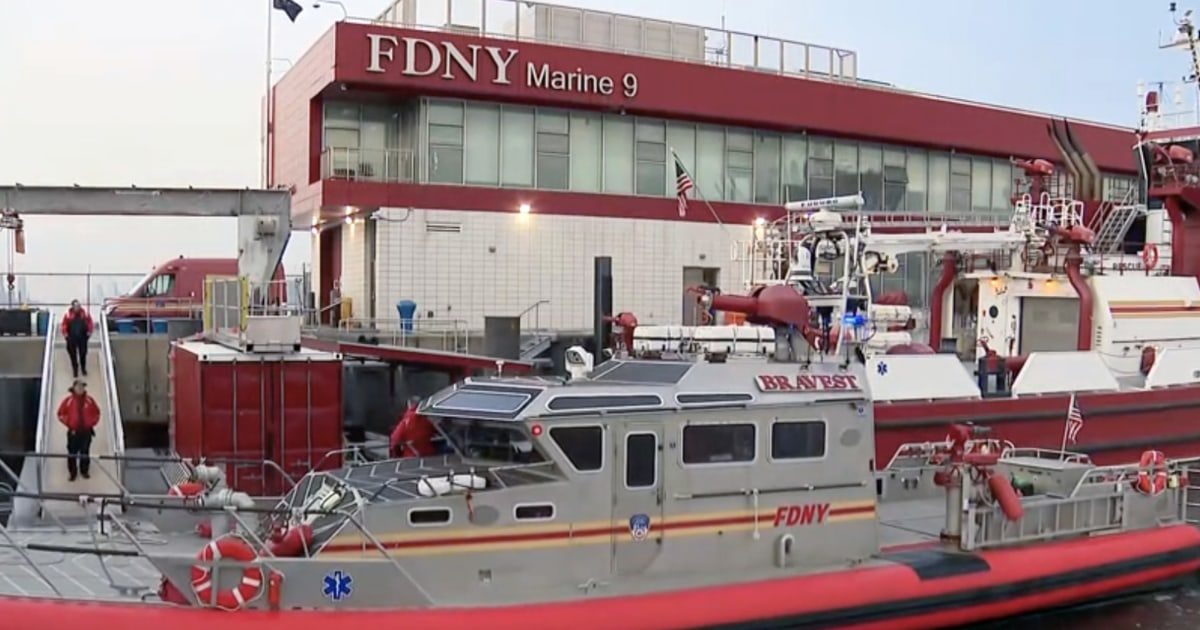
The ongoing search for the fourth presumed victim has been extensive, involving multiple agencies, including the Coast Guard, local police, and volunteer rescue organizations. Divers have been deployed to scour the waters, while aerial surveillance has aided in searching the area from above.
Officials have expressed their commitment to leaving no stone unturned in their efforts to locate the missing individual. However, the challenges posed by unpredictable weather conditions and strong currents have complicated rescue operations. As night falls, visibility decreases, making it increasingly difficult to conduct thorough searches.
Safety Regulations Under Scrutiny
This tragic event has sparked renewed discussions about safety regulations for recreational boating. Experts have pointed out that many small vessels are not always equipped with the necessary safety features, such as life jackets for every passenger, proper flotation devices, and communication devices to alert authorities in emergencies.
- Overcrowding: One of the primary concerns is the issue of overcrowding. Boats operating beyond their capacity can become unstable, increasing the risk of capsizing.
- Safety Equipment: Many small boats lack essential safety equipment, which can be critical in emergencies.
- Operator Training: The qualifications and training of boat operators are often insufficient, leading to poor decision-making in critical situations.
In light of the New York boat disaster, calls for stricter enforcement of existing regulations, as well as new legislation aimed at enhancing safety standards, are gaining traction. Advocates argue that these changes could prevent future tragedies, saving lives and protecting families from heart-wrenching losses.
Challenges of Maritime Rescue Operations
Rescue operations at sea present unique challenges that can hinder effective responses. The unpredictable nature of marine environments, coupled with limited visibility and changing weather patterns, makes it difficult for rescue teams to execute searches efficiently.
- Environmental Factors: Weather conditions such as fog, rain, and strong winds can impede search efforts.
- Geographic Challenges: The complex geography of coastal areas, including currents and underwater obstacles, complicates rescue missions.
- Resource Limitations: Many local agencies may lack the resources needed for extensive search operations, necessitating coordination with federal agencies like the Coast Guard.
Despite these challenges, the determination and bravery of rescue personnel shine through. Each day they commit to searching for the missing individual, showcasing the dedication to public service inherent in maritime rescue operations.
The Impact on Families and Communities
The emotional toll of the New York boat disaster extends far beyond the immediate victims. Families are left grappling with grief, confusion, and anger over the circumstances leading to this tragedy. Community support systems, such as local churches and organizations, have stepped up to provide counseling and resources to those affected.
As the search continues, vigils and memorials have begun to spring up, with loved ones gathering to honor the lives lost. These gatherings serve as a poignant reminder of the fragility of life and the importance of community solidarity in times of crisis.
Looking Ahead: A Call for Change
In the wake of this heartbreaking event, there is hope for change within the boating community. Advocacy groups are pushing for legislative measures that would enforce stricter safety regulations and improve training for boat operators. Additionally, increased public awareness campaigns about boating safety could empower individuals to make safer choices.
Experts suggest that a comprehensive review of existing laws, in conjunction with community engagement, could lead to better safety practices on the water. By fostering a culture of safety, we can honor the memory of those lost in this disaster and work towards a future where such tragedies are rare.
Conclusion: A Community United in Grief and Hope
As the search for the fourth presumed victim continues, the tragedy at sea serves as a stark reminder of the risks associated with recreational boating. It highlights the need for vigilance, adherence to safety protocols, and a commitment to change within the maritime community. While the road ahead will be difficult for those affected, the resilience of families and the determination of rescue teams stand as a testament to the human spirit in the face of adversity.
In times like these, communities must come together, advocating for safety and supporting those who have suffered unimaginable loss. As investigations proceed and discussions about regulatory changes take place, we can only hope that lessons are learned, and future tragedies can be prevented.
See more ABC News Feed


