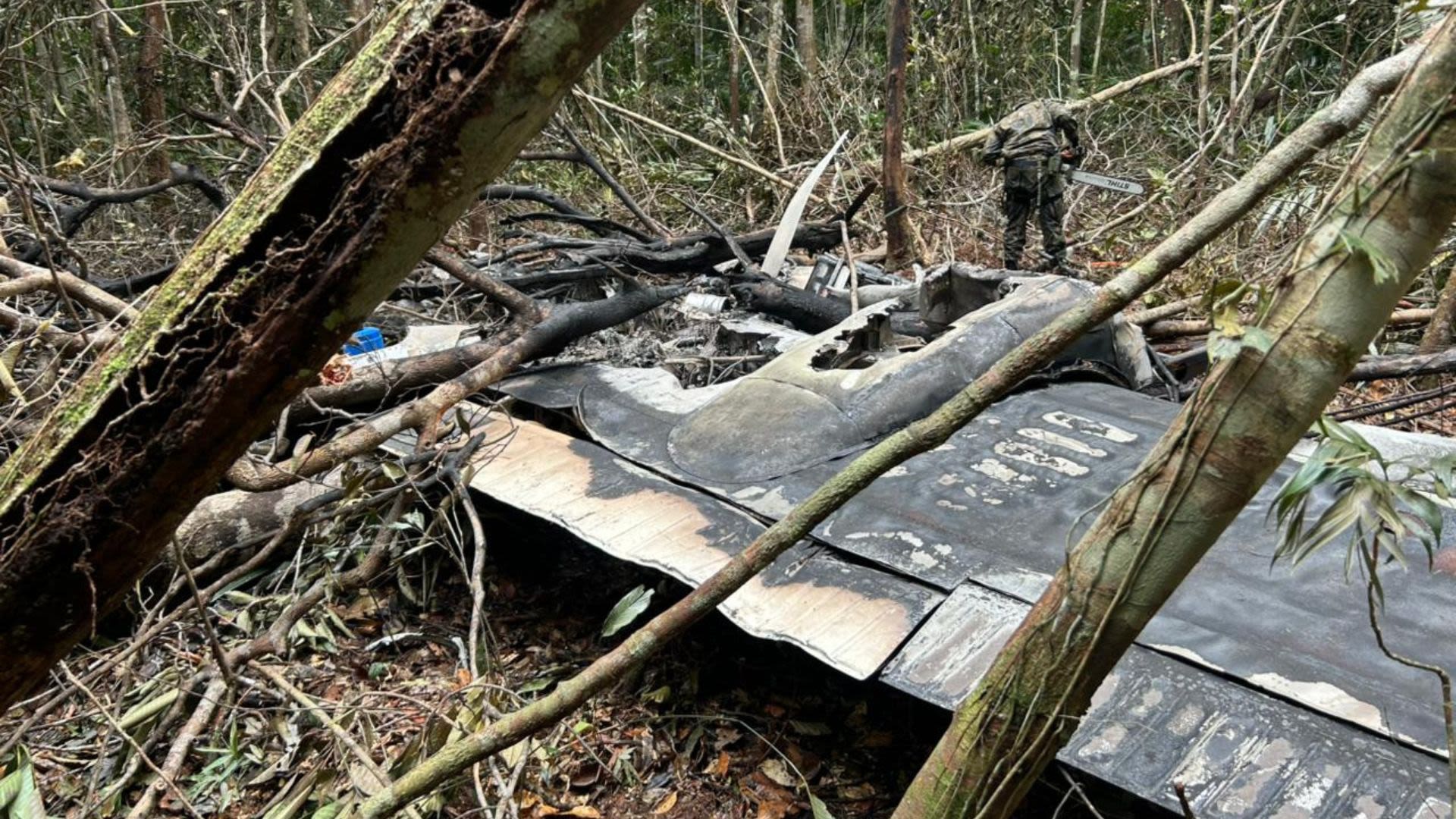
Brazil’s Air Heist: The Incident Unfolded
In a dramatic turn of events, Brazil’s airspace recently became the focal point of a high-stakes operation involving a small aircraft suspected of transporting illegal drugs. This incident has sent shockwaves through the nation, emphasizing the ongoing struggle against narcotrafficking and the intricate challenges associated with air transport security in the region. The Brazilian authorities’ swift action not only underscores their commitment to combating drug-related crimes but also raises critical questions about the broader implications for aviation safety and law enforcement.
The Incident: A Closer Look
The plane in question was intercepted while flying over remote areas of the Brazilian Amazon, a region notorious for being a hotbed of drug trafficking activity. Reports indicate that the aircraft was a light aircraft, typically used for private flights, which makes it a preferred mode of transport for criminal organizations due to its ability to navigate less monitored airspace.
Upon interception, authorities discovered that the plane was laden with several hundred kilograms of cocaine, a staggering amount that could have fueled the drug trade across multiple regions. The operation involved various branches of law enforcement, including the Brazilian Federal Police and the Brazilian Air Force, showcasing a collaborative effort to address the issue at hand.
Understanding the Drug Trade in Brazil
Brazil has long been a significant player in the global drug trade, primarily due to its geographical location and vast, often inaccessible landscapes. The Amazon rainforest serves as a natural corridor for trafficking operations, enabling smugglers to transport narcotics with relative ease. The country is not only a major producer of cocaine but also a transit point for drugs coming from neighboring countries like Colombia and Peru.
Several factors contribute to the prevalence of drug-related activities in Brazil:
- Geography: The dense Amazon rainforest provides cover for illicit operations.
- Corruption: Corruption among officials can hinder law enforcement efforts.
- Poverty: Economic desperation often drives individuals toward the drug trade.
- Demand: There is a significant demand for illicit drugs both locally and internationally.
The Role of Air Transport Security
The interception of the plane has prompted discussions about air transport security in Brazil. While commercial flights are subject to rigorous checks, smaller aircraft often fall under less stringent regulations, making them a target for drug traffickers. The ability to evade detection is a significant advantage for those involved in the drug trade.
Brazil’s air traffic control systems are continuously evolving, yet the challenges remain formidable:
- Monitoring Smaller Aircraft: Many small planes operate under general aviation rules, which may not require the same level of scrutiny as commercial flights. This gap in monitoring can be exploited by traffickers.
- Remote Locations: The vastness of the Amazon makes it difficult to establish comprehensive surveillance systems.
- International Cooperation: Effective airspace control requires collaboration with neighboring countries, which can be complicated by differing regulations and levels of enforcement.
Legal and Political Implications
The recent air heist incident has not only highlighted operational challenges but has also stirred political discussions surrounding drug policy in Brazil. Lawmakers are increasingly pressured to enhance anti-narcotics laws and improve the coordination among various law enforcement agencies. Here are some potential implications:
- Revised Regulations: There may be calls for stricter regulations on private flights and increased monitoring of small aircraft.
- Funding for Law Enforcement: The government may allocate more funds toward anti-trafficking initiatives, including technology for better surveillance.
- International Dialogue: Brazil might seek stronger partnerships with other nations to combat drug trafficking on a larger scale.
Community Impact and Awareness
Local communities in Brazil are often caught in the crossfire of the drug trade, facing violence and instability as rival gangs vie for control. The recent air heist incident serves as a reminder of the collateral damage inflicted by narcotrafficking. Community members are increasingly becoming aware of the impacts of drug-related violence and may take action to support anti-drug initiatives.
Engaging communities can involve:
- Education: Informing residents about the dangers of drug trafficking and its effects on society.
- Community Programs: Developing programs to provide economic opportunities that steer individuals away from the drug trade.
- Support Networks: Establishing networks to support victims of drug violence and help them reintegrate into society.
Looking Ahead: A Path to Solutions
While the interception of the aircraft is a significant victory for Brazilian authorities, it is clear that the fight against narcotrafficking is far from over. The complexities surrounding drug transport, particularly by air, demand innovative solutions and a multi-faceted approach. Here are some potential steps forward:
- Enhanced Surveillance: Investing in advanced technology to monitor air traffic more effectively.
- International Collaboration: Strengthening ties with other countries to share intelligence and best practices.
- Public Awareness Campaigns: Promoting awareness about the dangers of drug trafficking within communities.
In conclusion, Brazil’s air heist incident reveals the multifaceted nature of narcotrafficking and the ongoing challenges faced by law enforcement agencies. By understanding the root causes and implementing comprehensive strategies, Brazil can hope to mitigate the impact of drug-related crimes and enhance the safety of its airspace. The commitment of authorities, along with the engagement of local communities, will be crucial in overcoming this persistent issue.
See more ABC News Feed