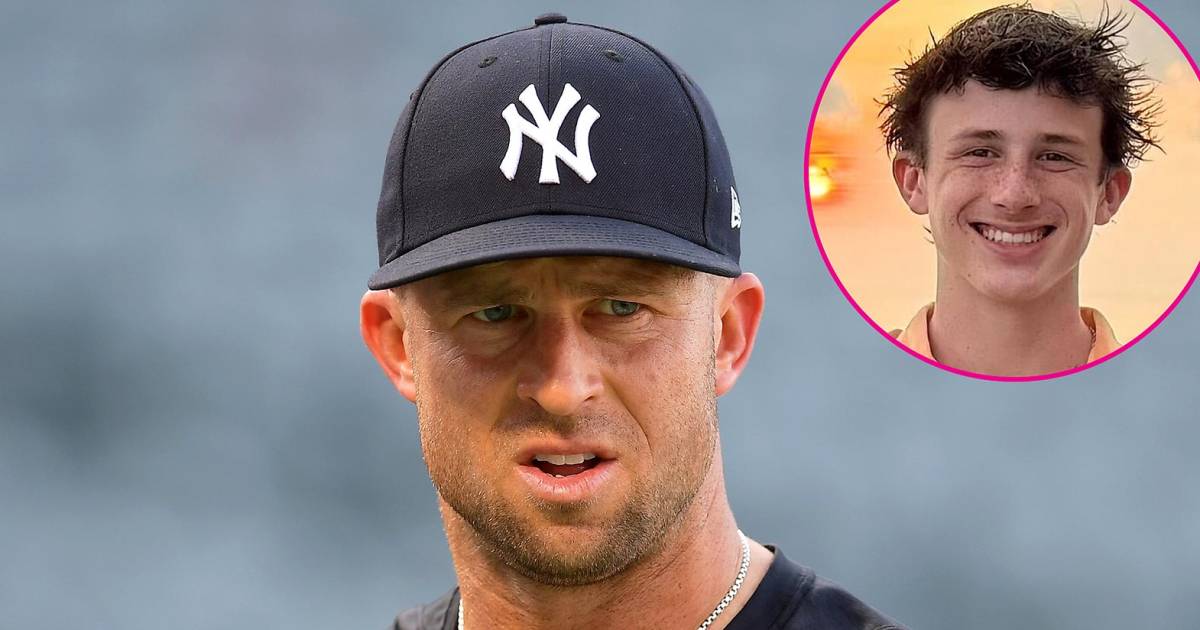
Unraveling the Mystery: The Shifting Narrative of Brett Gardner’s Son’s Death
The tragic death of Miller Gardner, the son of former New York Yankees outfielder Brett Gardner, has recently come to the forefront of public attention due to a significant alteration in the reported cause of death. Initially attributed to natural causes, the narrative has shifted, leading to widespread speculation and discussions surrounding the implications of this change for the Gardner family and the public at large. This article aims to explore the details surrounding Miller’s passing, delve into potential reasons for the narrative shift, and analyze its broader implications.
The Initial Reports and Their Impact
When news broke of Miller Gardner’s untimely death, it sent shockwaves through the sports community and beyond. As the son of a well-known athlete, Miller’s life and death drew significant media coverage. The initial reports indicated that he passed away from natural causes, a statement that provided some comfort to the public, suggesting that his death was unexpected yet not the result of foul play or external factors.
This narrative, however, was met with a mixture of sorrow and respect, as many expressed their condolences to the Gardner family. The tragic loss of a young life typically brings forth an outpouring of grief and support from fans, friends, and colleagues. For the Gardners, a family that had already faced their share of challenges, this support was crucial during a dark time.
The Shift in Narrative: What Changed?
As time passed, the narrative surrounding Miller’s death began to evolve. Reports emerged suggesting a different cause of death, which has since led to a flurry of questions and speculation. The change has raised eyebrows and prompted discussions regarding the potential reasons behind it.
- Medical Complications: One possibility is that further investigations revealed underlying medical conditions that were not initially disclosed. Families often choose to keep certain medical details private, particularly in high-profile cases. If Miller had a previously unknown medical condition, the family may have opted to share that information only after receiving confirmation from medical professionals.
- External Factors: Another theory circulating is the potential influence of external factors, such as environmental conditions or lifestyle choices. While these aspects can be sensitive topics, they sometimes warrant discussion when addressing a young person’s untimely death.
- Media Sensationalism: The media’s role in shaping narratives cannot be overlooked. Speculation, miscommunication, or sensationalized reporting can contribute to a shift in how a story is perceived. As more information becomes available, the narrative can evolve, sometimes leading to confusion among the public.
Implications for the Gardner Family
The shifting narrative surrounding Miller Gardner’s death undoubtedly has profound implications for the Gardner family. In times of grief, families often seek privacy and healing. However, the public nature of Miller’s passing complicates this process. With the media spotlight firmly on them, the family may feel compelled to address the changes in narrative, even when they might prefer to mourn in peace.
Moreover, the attention surrounding the case can lead to increased scrutiny of the family’s personal life. This type of pressure can be overwhelming, particularly for those who are not accustomed to public life. The Gardners, having been in the public eye due to Brett’s baseball career, may find this new level of scrutiny challenging as they navigate their loss.
The Response from the Public and Community
As the narrative surrounding Miller’s death continues to unfold, responses from the public have varied widely. Many fans and members of the community have expressed their condolences and support for the Gardner family, emphasizing the need for compassion during this difficult time. Others, however, have questioned the motives behind the narrative shift, leading to debates about the ethics of reporting on personal tragedies.
Social media platforms have become a double-edged sword in this scenario. While they provide a space for sharing condolences and memories, they also serve as a breeding ground for speculation and misinformation. The challenge lies in balancing the desire for transparency with the necessity of respecting the family’s privacy.
Seeking Answers: The Role of Transparency
In the wake of such a tragedy, the call for transparency becomes paramount. Families dealing with loss, especially in high-profile cases, often find themselves caught between the desire to share their truth and the need to protect their loved ones’ legacies. For the Gardner family, providing clarity on the circumstances surrounding Miller’s death could help quell speculation and offer closure to both themselves and the public.
However, transparency must be approached delicately. The family may still be processing their grief and might not be ready to disclose all the details. It’s essential for the media and the public to respect their timeline and allow them the space they need to heal.
Conclusion: The Need for Compassion and Understanding
The shifting narrative of Brett Gardner’s son’s death serves as a poignant reminder of the complexities involved in reporting on personal tragedies. While the public’s interest is natural, it is crucial to approach such sensitive topics with compassion and understanding. The Gardner family deserves the opportunity to grieve without the added pressure of public speculation.
As we reflect on this situation, let us remember the importance of empathy in our interactions with others, especially during trying times. In the face of tragedy, we must strive to support one another and foster a community that prioritizes kindness and respect over sensationalism. Ultimately, the story of Miller Gardner is a tragic reminder of the fragility of life and the profound impact of loss on families and communities.
See more ABC News Feed