California Warehouse Incident: The Shocking Plane Crash Caught on Video
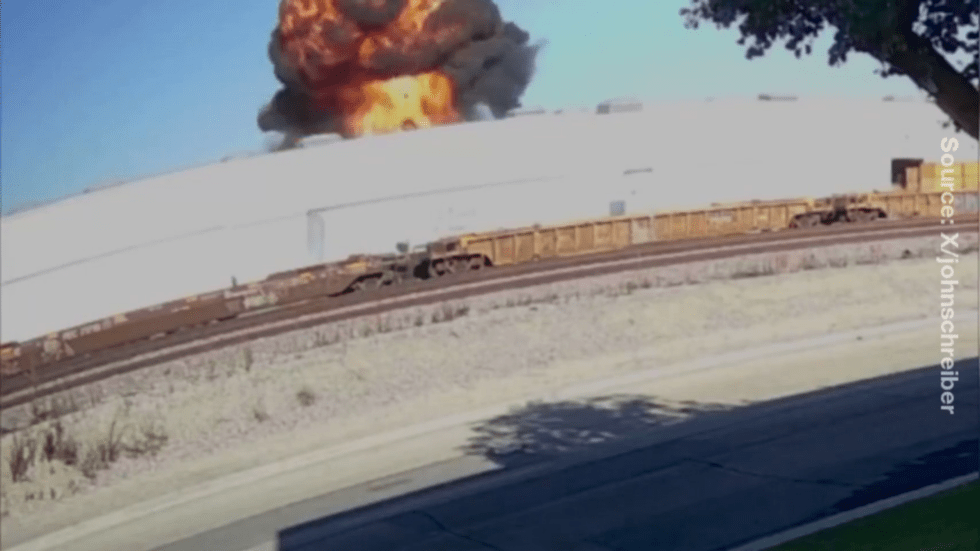
On a seemingly ordinary day in California, an unexpected and shocking incident unfolded that left the local community and the nation in disbelief. A light aircraft collided with a warehouse, and the dramatic moment was captured on video, raising serious questions about aviation safety and emergency response. The California warehouse incident not only highlights the vulnerabilities of air travel but also serves as a stark reminder of the importance of preparedness and community resilience in the face of unforeseen crises.
The Incident: What Happened?
On a sunny afternoon in late October, residents near a busy industrial area in California witnessed a horrifying scene: a small plane, reportedly a Cessna 172, lost altitude rapidly and crashed into a warehouse. Eyewitnesses described the sound of the aircraft’s engine sputtering before the crash, followed by a loud explosion as the plane impacted the building. The video footage captured by bystanders quickly went viral, showing the moments leading up to the crash and its immediate aftermath.
Local authorities reported that the plane was on a routine flight when it encountered mechanical issues that led to the tragic incident. Fortunately, there were no fatalities among the warehouse staff, who were able to evacuate just moments before the crash. However, the pilot of the aircraft sustained serious injuries and was rushed to a nearby hospital.
Eyewitness Accounts: A Community in Shock
Eyewitnesses recounted their experiences, revealing a mix of fear and disbelief. One nearby resident stated, “I heard the plane sputtering, and then I saw it go down. I couldn’t believe what I was seeing.” Another witness noted, “The explosion was deafening. It felt like the ground shook.” Such firsthand accounts provide a glimpse into the chaos that ensued and the community’s immediate reaction to the calamity.
The Impact on the Community
The California warehouse incident has not only raised alarm about aviation safety but also highlighted the importance of emergency response protocols. In the aftermath of the crash, local fire and rescue teams responded swiftly, containing the fire that erupted from the wreckage and ensuring that no further injuries occurred within the warehouse. This incident has prompted community leaders to advocate for improved safety measures and emergency preparedness training.
- Increased awareness of aviation safety regulations
- Community workshops on emergency response
- Review of local air traffic control protocols
Aviation Safety: Lessons Learned
As investigations into the California warehouse incident continue, aviation experts emphasize the need for ongoing education about safety practices for pilots and air traffic controllers alike. This incident raises critical questions about the mechanical integrity of small aircraft and the training pilots receive for handling in-flight emergencies.
Key Factors Influencing Aviation Safety
Several factors contribute to aviation safety, particularly in small aircraft operations:
- Regular Maintenance: Ensuring that aircraft undergo routine inspections and maintenance can prevent mechanical failures that may lead to catastrophic accidents.
- Pilot Training: Comprehensive training programs that simulate emergency scenarios can equip pilots with the skills needed to manage in-flight issues effectively.
- Weather Conditions: Understanding and adapting to changing weather patterns is essential for safe flying, as adverse weather can significantly impact aircraft performance.
Emergency Response: A Community’s Resilience
The swift response to the plane crash demonstrates the importance of preparedness and training within local emergency services. Firefighters and paramedics arrived on the scene within minutes, showcasing their readiness to handle such unexpected incidents. This response not only minimized potential injuries but also reassured the community during a chaotic situation.
Enhancing Emergency Preparedness
In light of the California warehouse incident, many community leaders are advocating for enhanced emergency preparedness initiatives. Suggested measures include:
- Regular Drills: Conducting regular emergency response drills involving local law enforcement, fire departments, and medical services to ensure a coordinated effort during crises.
- Community Training: Offering training sessions for community members on how to respond effectively in emergencies, including first aid and evacuation procedures.
- Collaboration with Aviation Authorities: Working closely with aviation authorities to develop safety guidelines and response strategies for incidents involving aircraft.
Looking Forward: A Call for Action
The shocking plane crash at the California warehouse serves as a critical reminder of the unpredictability of aviation and the necessity for constant vigilance regarding safety protocols. While the immediate aftermath was marked by fear and uncertainty, it also presents an opportunity for growth and improvement in both aviation safety and community preparedness.
As investigations unfold, it is imperative for regulatory bodies, aviation experts, and community leaders to collaborate on strategies that enhance safety and response mechanisms. By learning from incidents like these and taking proactive measures, we can work towards a safer environment for everyone.
Conclusion
The California warehouse incident is a sobering event that has rocked the local community and sparked discussions on aviation safety and emergency preparedness. With the shocking plane crash caught on video, the implications of this event will likely reverberate far beyond the immediate vicinity. As we reflect on this incident, let us advocate for change, ensure that lessons are learned, and remain committed to fostering a culture of safety and resilience in the face of adversity. Together, we can build a stronger, safer future.
See more ABC News Feed


