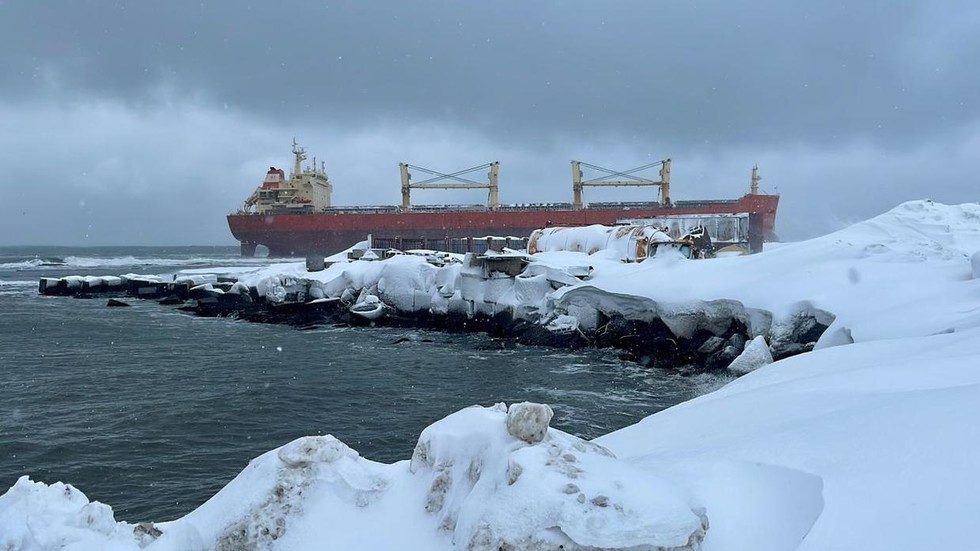
Stranded at Sea: The Mystery of the Cargo Ship Off Sakhalin’s Coast
In a dramatic turn of events, a cargo ship has found itself stranded off the coast of Russia’s Sakhalin Island, igniting a wave of concern regarding maritime safety and the broader implications for global shipping routes. This incident not only poses immediate challenges for the ship and its crew but also raises critical questions about the resilience and preparedness of the shipping industry in unpredictable maritime environments.
The Incident Unfolds
Reports indicate that the cargo ship, identified as the MV Orion Star, encountered severe weather conditions while navigating the treacherous waters near Sakhalin Island. The vessel, which was en route to a major port in Asia, issued a distress signal after losing propulsion and drifting dangerously close to rocky shores. Fortunately, there were no immediate reports of injuries among the crew, but the situation has drawn the attention of local authorities and maritime experts alike.
As the ship remains trapped, the Russian Coast Guard and salvage teams have mobilized to assist in the situation. Their efforts include assessing the structural integrity of the vessel and determining the best course of action to safely tow it away from the hazardous coastline.
Maritime Safety: A Growing Concern
This incident off Sakhalin’s coast underscores the increasing challenges faced by the shipping industry. As global trade continues to expand, vessels are navigating increasingly crowded and perilous waters. Several factors contribute to the heightened risks in maritime transport:
- Climate Change: Changing weather patterns can lead to unpredictable sea conditions, making navigation more difficult.
- Increased Traffic: The volume of shipping traffic has surged, especially in key maritime routes, raising the risk of accidents.
- Technological Challenges: While advancements in navigation technology have improved safety, reliance on these systems can lead to vulnerabilities in case of failure.
In light of these factors, it becomes evident that the shipping industry must adapt to new realities. Enhanced training for crew members, investment in state-of-the-art technology, and rigorous safety protocols are essential for mitigating risks.
Global Shipping Routes: Implications of the Incident
The stranding of the MV Orion Star could have far-reaching implications for global shipping routes. Sakhalin Island is strategically located in the Sea of Okhotsk, a critical area for maritime trade between Asia and the Pacific. Disruptions in this region can lead to delays in shipping schedules, increased costs, and potential ripple effects throughout the global supply chain.
Industry analysts warn that incidents like this could prompt shipping companies to reassess their routes and logistics strategies. Factors such as:
- Alternative Routes: Companies may seek safer alternatives that avoid high-risk areas.
- Increased Insurance Premiums: A rise in maritime incidents may lead to higher insurance costs for shipping companies.
- Regulatory Changes: Governments might implement stricter regulations to enhance maritime safety, impacting operational procedures.
A Call for Enhanced Preparedness
The mystery surrounding the MV Orion Star serves as a wake-up call for the maritime industry. To navigate the complexities of modern shipping, stakeholders must collaborate on safety measures and preparedness strategies. Here are a few proactive steps that could be taken:
- Regular Safety Drills: Conducting frequent emergency drills can prepare crew members for unexpected situations.
- Improved Communication Systems: Investing in reliable communication technology ensures that vessels can maintain contact with maritime authorities even in adverse conditions.
- Environmental Monitoring: Utilizing advanced meteorological tools to anticipate weather changes can significantly enhance navigational safety.
The Human Element: Crew Welfare
While the focus often falls on the ship and cargo, it is crucial to remember the human aspect of maritime incidents. The crew members aboard the MV Orion Star are facing an uncertain situation, compounded by the stress of being stranded at sea. Their welfare must be a priority during this crisis.
Support systems, mental health resources, and communication with families are vital to help alleviate the psychological toll on the crew. Furthermore, ensuring that they have access to sufficient provisions and medical care during the rescue process is essential for maintaining morale and safety.
Looking Ahead: Lessons Learned
The stranding of the cargo ship off Sakhalin’s coast serves as a stark reminder of the unpredictable nature of maritime travel. As authorities work diligently to resolve the situation, there are several lessons that the shipping industry can take away:
- Adaptability is Key: The ability to quickly adapt to unforeseen circumstances is crucial for maritime operations.
- Safety Must be a Priority: Continuous investment in safety measures is essential for the well-being of crew members and the integrity of global shipping.
- Collaboration is Vital: Industry stakeholders must work together to share best practices and improve maritime safety standards.
Conclusion
The mystery of the cargo ship stranded off the coast of Sakhalin Island highlights the complexities and challenges of modern maritime operations. As authorities continue to navigate this situation, it is clear that the shipping industry must rise to meet the evolving demands of safety and efficiency. By learning from incidents like this, stakeholders can work towards creating a more resilient maritime environment, ensuring that the seas remain safe for the vessels that traverse them.
See more ABC News Feed