Chile’s Widespread Blackout: Causes and Consequences
In a stunning turn of events, Chile experienced a widespread blackout that left millions of residents without power. This incident has raised significant concerns regarding the reliability of the country’s energy infrastructure and the efficacy of its emergency response systems. As communities grapple with the implications of this outage, experts are delving into what caused this unprecedented power failure and what it means for the future of energy in Chile.
The Immediate Impact of the Blackout
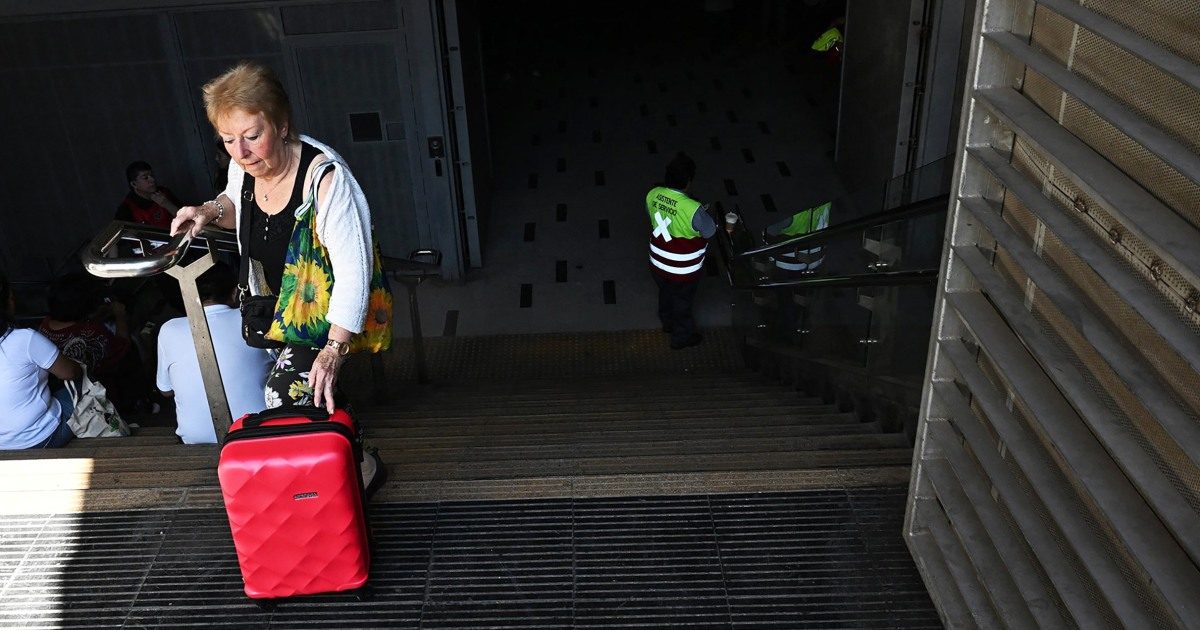
The blackout, which occurred during peak evening hours, affected a wide swath of the country, including major urban centers like Santiago. For millions, the sudden loss of electricity disrupted daily life—traffic lights went dark, public transportation ground to a halt, and businesses were forced to close. Hospitals, too, faced challenges as backup generators kicked in but could not sustain all operations.
Residents reported confusion and frustration as they navigated the chaos. The lack of communication from authorities only added to the anxiety. Social media platforms buzzed with updates and inquiries, as many sought to understand the situation and express their concerns.
What Caused the Blackout?
Investigating the causes of Chile’s widespread blackout reveals a complex interplay of factors. Experts point to several potential reasons, including:
- Grid Overload: One of the primary causes attributed to the blackout was an overload on the national power grid. As demand surged, particularly in urban areas, the system struggled to meet the energy needs of its users.
- Failure of Critical Infrastructure: Reports indicate that a critical transmission line experienced a failure, which cascaded through the grid, leading to widespread outages.
- Natural Events: Some analyses suggest that adverse weather conditions may have played a role in exacerbating the situation. Heavy winds and storms can impact both generation and transmission capabilities.
- Maintenance Issues: Questions have arisen regarding the adequacy of maintenance on older infrastructure. Aging equipment may not withstand sudden surges in demand, leading to failures.
The Role of Regulatory Bodies
The incident has prompted a reevaluation of the roles played by regulatory bodies and energy companies. In Chile, the electricity sector is overseen by the National Energy Commission (CNE), which is responsible for ensuring a reliable and efficient power supply. Critics argue that the CNE should have implemented more robust measures to prevent such outages, particularly given the increasing demand for energy in the country.
Moreover, energy experts are calling for a comprehensive review of current policies and infrastructure investments. With Chile’s commitment to transitioning to renewable energy sources, it is crucial that the grid can handle the fluctuations that come with these technologies.
Long-Term Implications of the Outage
As Chile begins to recover from this widespread blackout, the long-term implications for the energy sector cannot be understated. Here are a few key considerations:
- Investment in Infrastructure: There is an urgent need for increased investment in energy infrastructure. Upgrading existing facilities and expanding grid capacity will be essential to prevent future outages.
- Focus on Renewables: While Chile has made significant strides in renewable energy, the integration of these sources must be more carefully managed to ensure reliability. This includes enhancing energy storage capabilities and grid flexibility.
- Public Awareness and Preparedness: Educating the public about emergency preparedness and response can mitigate the impact of future outages. Clear communication strategies must be developed to keep residents informed during crises.
Lessons Learned from the Blackout
Every crisis presents an opportunity for learning and improvement. The widespread blackout in Chile serves as a crucial reminder of the vulnerabilities in energy systems worldwide. The following lessons can be drawn from this incident:
- Proactive Maintenance: Regular maintenance and upgrades to the grid are vital. Utility companies must prioritize these efforts to avert future crises.
- Enhanced Monitoring Systems: Implementing advanced monitoring technologies can help detect potential failures before they escalate into widespread outages.
- Collaboration with Experts: Engaging with energy experts and researchers can provide valuable insights into developing more resilient energy systems.
Looking Ahead: The Future of Energy in Chile
The recent blackout may serve as a catalyst for change in Chile’s energy sector. As the country continues to grow and evolve, addressing the challenges highlighted by this incident will be paramount. Policymakers, energy companies, and consumers must work together to create a sustainable and resilient energy landscape.
As Chile navigates this recovery process, there is hope that the lessons learned will lead to tangible improvements in energy reliability. The transition to renewable energy, if managed effectively, can position Chile as a leader in sustainable power generation while safeguarding its infrastructure against unforeseen events.
Conclusion
Chile’s widespread blackout has undoubtedly shaken the nation, but it also presents an opportunity for reflection and progress. By understanding the factors that led to this event and committing to proactive measures, Chile can emerge stronger and more resilient. As the world continues to grapple with energy challenges, Chile’s experience may provide valuable insights for other nations facing similar issues.
In the face of adversity, the spirit of innovation and collaboration can drive meaningful change, ensuring that future generations enjoy a reliable and sustainable energy supply.
See more ABC News Feed