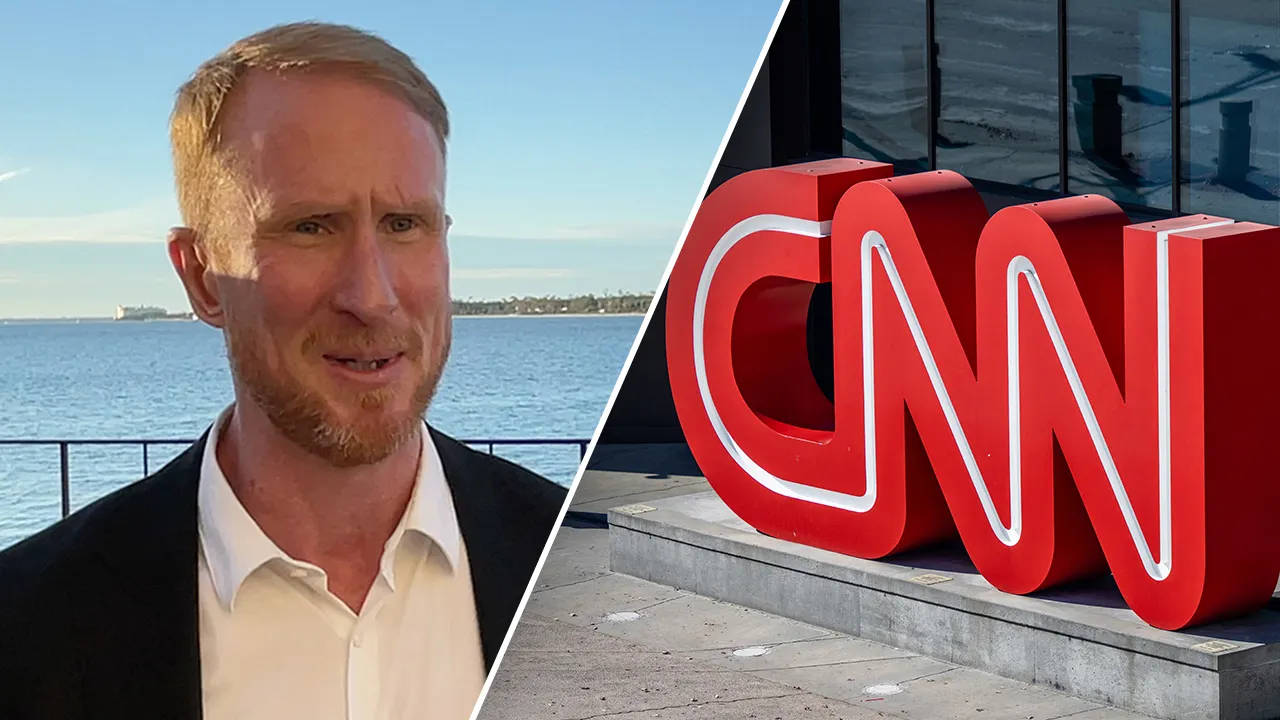
Courtroom Showdown: Plaintiff in CNN Defamation Case Declares Victory
In a dramatic turn of events, the plaintiff in the CNN defamation trial has expressed profound relief and a sense of vindication after a lengthy legal battle that captivated the nation. The courtroom showdown has not only highlighted the complexities of defamation law but also raised significant questions about media practices and accountability. As the dust settles, the implications of this case could resonate throughout the media landscape, setting precedents for how news organizations report on individuals and events.
The Background of the Case
The defamation lawsuit emerged from a series of reports aired by CNN that allegedly misrepresented the plaintiff’s actions and character. The plaintiff, a public figure whose reputation was significantly impacted by the network’s coverage, argued that the misleading information resulted in tangible harm, including emotional distress and damage to professional opportunities.
Defamation cases can be particularly challenging, especially when public figures are involved. Under U.S. law, they must prove “actual malice,” meaning that the media outlet knowingly published false information or acted with reckless disregard for the truth. This high standard often makes it difficult for plaintiffs to win such cases, but the recent trial has showcased the resilience of those fighting for their reputations.
The Courtroom Proceedings
The courtroom was filled with tension as attorneys presented their cases. The plaintiff’s legal team meticulously laid out evidence, including witness testimonies and documents that supported their claims. They argued that CNN’s reporting was not only false but also part of a broader narrative that sought to malign the plaintiff’s character.
Throughout the trial, the defense argued that the reports were based on credible sources and that CNN acted responsibly in its journalistic endeavors. However, as the case unfolded, the jury was presented with a wealth of evidence suggesting that the network may have cut corners in its pursuit of a sensational story.
Key Moments in the Trial
- Witness Testimonies: Several key witnesses testified on behalf of the plaintiff, providing firsthand accounts of how the reporting affected their lives and careers.
- Documentary Evidence: The plaintiff’s team introduced emails and internal communications from CNN that raised questions about the editorial decision-making process.
- Expert Analysis: Media experts were brought in to discuss the ethical implications of CNN’s reporting methods, further supporting the plaintiff’s claims.
The Verdict and Its Aftermath
After days of deliberation, the jury delivered a verdict in favor of the plaintiff, declaring that CNN had indeed defamed the individual. The relief expressed by the plaintiff was palpable, as the verdict not only validated their experience but also sent a powerful message about accountability in journalism. The decision marked a significant victory for those who believe in the importance of accurate reporting and the protection of individual reputations.
In the wake of the verdict, the media landscape is abuzz with discussions about the implications of this case. Legal experts suggest that this ruling could influence how news organizations approach reporting on public figures in the future, encouraging a more rigorous fact-checking process and a commitment to ethical journalism.
Potential Implications for the Media
The CNN defamation case could serve as a catalyst for change within the media industry. Here are a few potential implications:
- Increased Vigilance: News organizations may adopt stricter editorial standards to prevent similar lawsuits in the future.
- Enhanced Training: Journalists may receive additional training on defamation laws and ethical reporting practices.
- Public Trust: Rebuilding public trust in media could become a priority, especially in an era where misinformation is rampant.
Voices from the Legal Community
The legal community has weighed in on the case, with many attorneys emphasizing the importance of this ruling. Legal analysts believe that this case could set a precedent for future defamation lawsuits, particularly concerning how media outlets handle sensitive stories involving public figures.
One prominent attorney noted, “This case underscores the necessity for media companies to balance the right to report with the responsibility to report accurately. The jury’s decision reflects a growing frustration with sensationalism that compromises truth.”
Public Reaction
The public response to the verdict has been overwhelmingly supportive of the plaintiff. Many individuals have taken to social media to express their approval, highlighting the need for accountability in journalism. Supporters argue that this verdict is a step toward ensuring that media outlets prioritize truth over sensationalism.
Conversely, some media analysts caution against the potential chilling effect this case may have on journalistic freedom. They argue that while accountability is vital, there must also be a space for robust reporting, particularly on matters of public interest.
Conclusion
The CNN defamation case has emerged as a landmark legal battle, drawing attention to the intricate dynamics between media freedom and individual rights. As the plaintiff declares victory, the implications of this case are likely to reverberate across the media landscape, prompting critical discussions about the ethical responsibilities of news organizations. This courtroom showdown not only highlights the power of the press but also the necessity for accuracy and integrity in storytelling.
As the media continues to evolve in the digital age, this case serves as a reminder of the enduring importance of truth in journalism. The verdict may pave the way for greater accountability and ethical practices, ensuring that the trust between the media and the public is upheld, fostering a healthier information environment for all.
See more ABC News Feed


