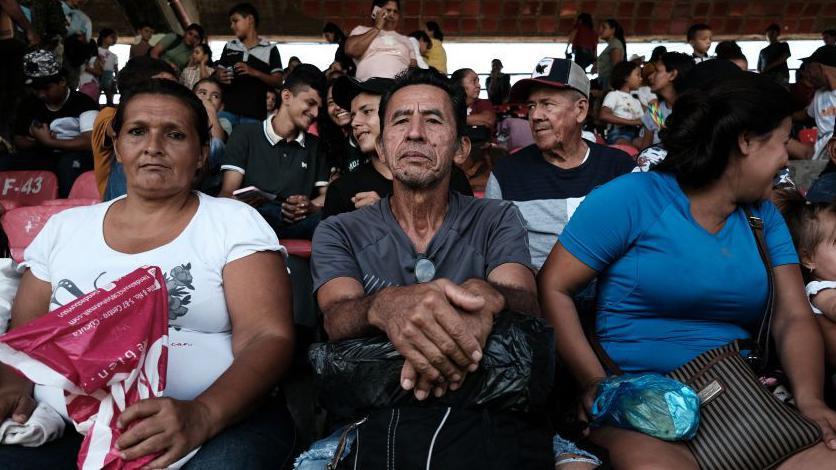
Refuge in Crisis: Inside Colombia’s Stadium Shelters Amidst ELN-FARC Clashes
As violence escalates between the National Liberation Army (ELN) and the Revolutionary Armed Forces of Colombia (FARC) in Colombia, the grim realities of conflict have pushed countless civilians into makeshift shelters. In an unprecedented turn of events, many have sought refuge in stadiums, transforming these venues from sites of sporting triumphs to bastions of survival. This article navigates the human impact of ongoing clashes, shining a light on the resilience of those caught in the crossfire.
The Unfolding Crisis: ELN and FARC Clashes
The resurgence of violence between the ELN and FARC has deep historical roots. Both groups emerged from Colombia’s complex socio-political landscape, driven by issues such as inequality, land disputes, and political disenfranchisement. While FARC has transitioned into a political party after a peace deal in 2016, splinter factions continue to engage in armed conflict. The ELN, known for its Marxist-Leninist ideology, has refused to demobilize, leading to an uptick in hostilities.
In 2023, the situation has intensified, particularly in rural areas where both groups vie for control over drug trafficking routes and local influence. The violence has not only affected combatants but has also spilled over into civilian neighborhoods, displacing thousands and leaving many without homes or basic necessities.
Stadiums as Shelters: A New Reality
As communities flee from conflict, many have found themselves seeking shelter in stadiums. The motivations for this choice are multifaceted:
- Safety in Numbers: Large venues provide a sense of security as displaced individuals gather in numbers, creating a communal environment that offers emotional support.
- Basic Facilities: Stadiums are equipped with basic facilities such as restrooms and water supplies, making them more suitable than other makeshift shelters.
- Accessibility: Stadiums are often centrally located, making them accessible to those fleeing violence in nearby areas.
However, the reality within these shelters is far from ideal. Overcrowding, inadequate sanitation, and a lack of food and medical supplies pose significant challenges for those seeking refuge. Reports indicate that as many as 5,000 individuals have turned to stadiums for shelter in various cities across Colombia, each with their own harrowing stories of loss and survival.
Human Stories: Voices from the Shelters
Inside these stadiums, the personal stories of the displaced paint a vivid picture of resilience amidst adversity. Take, for instance, Maria, a mother of three who fled her home in Arauca after her husband was killed in the crossfire between the ELN and FARC. Now living in a local stadium, she shares her experiences:
“We had no choice but to leave. My children were terrified. Here, at least we are safe from the bullets, but every day is a struggle. We need food, we need help.”
Maria’s story is echoed by many others who now call these stadiums home. The sense of community among the displaced is palpable, with individuals forming support networks to share resources and information. Local NGOs and humanitarian organizations have stepped in to provide assistance, but the scale of the crisis often outstrips available resources.
The Role of Humanitarian Organizations
Humanitarian organizations have been crucial in responding to the needs of those in stadium shelters. Groups such as the Red Cross and local Colombian NGOs have mobilized to provide:
- Food and Water: Distributing meals and bottled water to families in need.
- Medical Assistance: Offering basic healthcare services to those suffering from injuries or illnesses related to displacement.
- Psychosocial Support: Providing counseling services to help individuals cope with trauma.
Despite these efforts, challenges remain. Funding is often limited, and the ongoing violence complicates logistics and the safety of aid workers. Advocacy for increased international support is critical as the humanitarian situation continues to deteriorate.
Resilience and Hope: Community Spirit Amidst Adversity
Despite the grim circumstances, there are glimmers of hope. The resilience of those displaced is inspiring. Communities have come together to support one another, sharing whatever little they have. They organize communal meals, gather for group conversations, and create a semblance of normalcy amidst chaos.
Local artists and musicians have also found ways to uplift spirits, using performances to bring joy and foster a sense of community. These small acts of defiance against despair serve as a reminder of the strength inherent in human connection. As individuals share stories of their past lives, they also express hopes for a peaceful future.
Looking Ahead: The Need for Comprehensive Solutions
The situation in Colombia calls for a multifaceted approach to address the underlying causes of conflict. Peace talks and negotiations between the Colombian government, ELN, and remaining FARC factions are essential to create a sustainable resolution. Moreover, investment in social programs aimed at tackling poverty, education, and land rights will be crucial in preventing future violence.
Additionally, the international community must play an active role in supporting peace initiatives and humanitarian efforts. Increased awareness and advocacy can drive funding to affected regions, ensuring that displaced individuals receive the assistance they desperately need.
Conclusion: A Call for Unity and Action
As Colombians navigate this crisis, the stadiums that once hosted sporting events have transformed into symbols of resilience and hope amidst adversity. The stories of those seeking refuge remind us of the human cost of conflict and the urgent need for action.
In the face of violence between the ELN and FARC, the strength of community, the compassion of humanitarian organizations, and the commitment to peace can pave the way for a brighter future. It is essential for all of us to stand in solidarity with those affected, advocating for their rights and well-being as they seek to rebuild their lives.
See more ABC News Feed