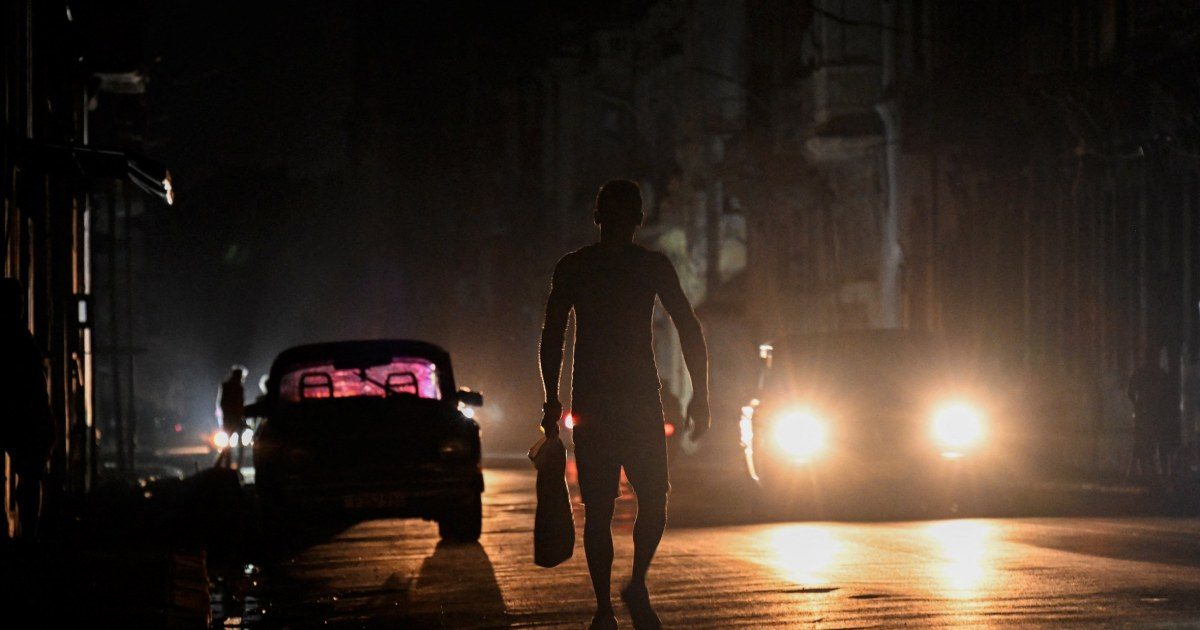
Power Outages Plague Millions in Cuba Following Substation Collapse
In a shocking turn of events, a catastrophic failure at one of Cuba’s key power substations has plunged millions of residents into darkness, exacerbating existing concerns about the country’s aging energy infrastructure. This incident has not only disrupted daily life but has also raised questions regarding the government’s capacity to address the ongoing energy crisis effectively. As Cuba grapples with power outages, citizens are left to ponder the reliability of their energy supply and the future of their nation’s infrastructure.
The Incident: A Major Power Substation Collapse
The recent collapse of a major power substation in Havana has been attributed to a combination of outdated technology, lack of maintenance, and increasing demand for electricity. Eyewitness accounts describe a loud explosion followed by a series of cascading failures that left neighborhoods shrouded in darkness.
Reports indicate that the substation, which had been in service for decades, was struggling to cope with the rising energy demands due to the extreme heat and humidity typical of the Cuban climate. As air conditioning units and fans worked overtime, the infrastructure buckled under pressure, leading to a widespread blackout affecting millions.
Immediate Impact on Daily Life
The immediate aftermath of the power outages has been devastating for many Cuban families. With electricity cuts lasting for hours, or even days in some areas, residents have faced significant challenges:
- Food Spoilage: Without refrigeration, perishable foods have quickly gone bad, leading to economic losses for households.
- Health Risks: Hospitals have struggled to maintain critical services, with backup generators failing to adequately support essential medical equipment.
- Communication Breakdown: Mobile phone networks and internet services have been interrupted, isolating communities and hampering emergency response efforts.
In urban areas, the absence of streetlights has raised safety concerns, leading to an increase in crime as opportunistic thieves take advantage of the chaos. Residents are left feeling vulnerable, unsure of what the next day may bring.
Government Response: Challenges and Criticism
In response to the crisis, the Cuban government has launched an emergency initiative aimed at restoring power to affected areas as quickly as possible. However, the effectiveness of this response has been met with skepticism. Critics argue that the government has long neglected the energy sector, failing to invest in necessary upgrades and maintenance.
Some key points of criticism include:
- Lack of Transparency: Many citizens feel left in the dark—not just literally, but also in terms of information. The government has not provided clear timelines or explanations for the outages.
- Inadequate Infrastructure Investment: Decades of underfunding have resulted in a grid that is ill-equipped to handle current demand. Experts point to the need for significant investment in renewable energy sources and modernization of existing facilities.
- Bureaucratic Inefficiencies: Reports indicate that bureaucratic red tape has slowed down the repair and recovery efforts, frustrating both local officials and citizens alike.
Public Sentiment and Community Resilience
Despite the grim circumstances, the Cuban spirit of resilience shines through. Communities have come together to support one another, sharing resources and information. Local businesses are adapting by offering alternatives, such as solar-powered phones and batteries to help residents stay connected. Neighborhood groups have organized to provide assistance to the elderly and those most affected by the outages.
Social media has played a vital role in disseminating information, as Cubans share updates, advice, and encouragement. The hashtag #CubaResiliente has gained traction, symbolizing hope and unity amidst the chaos.
The Long-Term Outlook for Cuba’s Energy Sector
The collapse of the substation serves as a wake-up call for Cuba regarding its energy infrastructure. As the government seeks to restore power, it must also grapple with the underlying issues that led to this crisis. Experts suggest that a multi-faceted approach is necessary to ensure long-term stability and reliability in the energy sector:
- Investment in Renewable Energy: Cuba has abundant natural resources, such as solar and wind energy, that could be harnessed to diversify its energy portfolio and reduce dependence on fossil fuels.
- Modernization Initiatives: Upgrading existing power plants and substations, as well as investing in smart grid technologies, could enhance efficiency and reliability.
- Public Engagement: Involving citizens in energy planning and decision-making can foster a sense of ownership and accountability, leading to more sustainable practices.
Conclusion: A Call for Change
The power outages plaguing millions in Cuba following the substation collapse highlight not just immediate challenges but also the pressing need for systemic change within the country’s energy sector. As citizens adapt to life in the dark, the government faces mounting pressure to demonstrate its commitment to resolving these issues and ensuring a reliable power supply for all Cubans.
While the path forward may be fraught with obstacles, the resilience of the Cuban people offers a beacon of hope. With concerted effort, investment, and a renewed focus on sustainable energy solutions, Cuba can emerge stronger from this crisis, paving the way for a brighter future.
See more ABC News Feed


