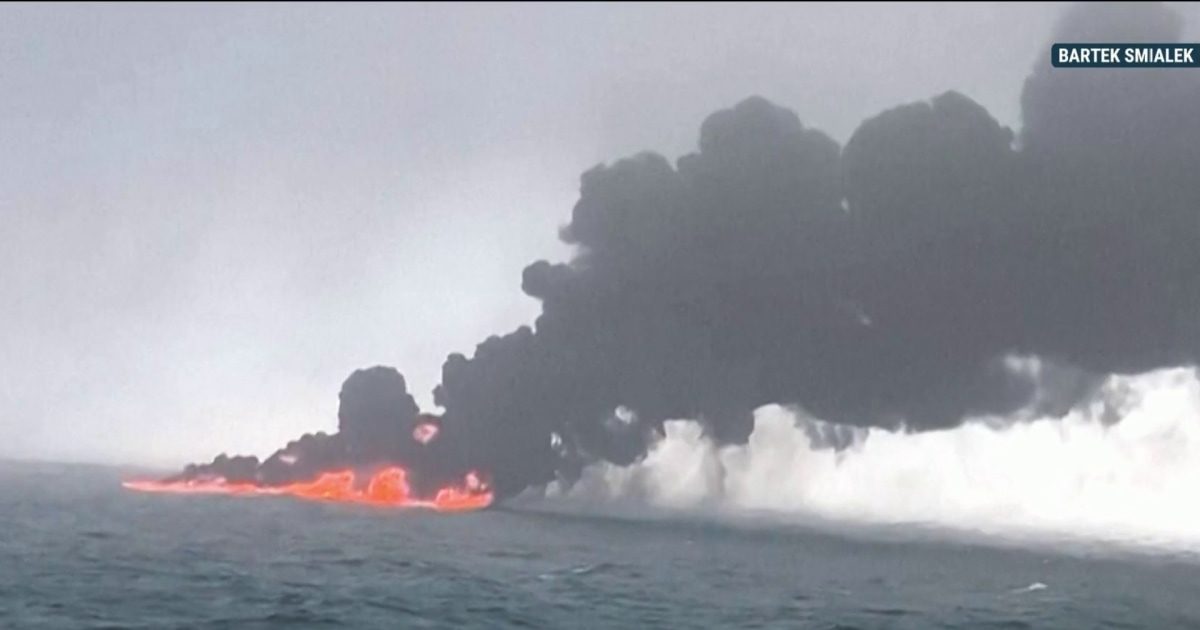
Catastrophic Collision: The Incident Unfolds
In a shocking maritime accident, a ship laden with hazardous cyanide collided with a U.S. oil tanker off the coast of England, raising alarming concerns about environmental safety and maritime regulations. This catastrophic collision serves as a dire reminder of the potential dangers posed by the transport of toxic materials in our oceans and the pressing need for stringent regulations to safeguard marine ecosystems.
The Details of the Collision
The incident occurred in the early hours of a foggy morning when the cargo ship, identified as the MS Toxico, crashed into the U.S. oil tanker, SS Freedom, approximately 30 nautical miles from the English coast. The MS Toxico was reportedly transporting over 5,000 tons of sodium cyanide, a chemical compound frequently used in mining and industrial processes but highly toxic to marine life and humans alike.
Initial reports indicate that the collision resulted in a breach of the hull of the oil tanker, leading to a significant spill of both oil and the hazardous cyanide. Emergency response teams were promptly deployed to contain the spill and mitigate environmental damage. However, the extent of the contamination remains uncertain, and the incident has sparked widespread concern among environmental groups and local communities.
Environmental Impact of the Spill
The environmental ramifications of this catastrophic collision are potentially devastating. Cyanide is known for its extreme toxicity, capable of causing severe harm to aquatic ecosystems. The release of sodium cyanide into the ocean can result in:
- Marine Life Mortality: Fish, crustaceans, and other marine organisms are highly susceptible to cyanide poisoning, leading to widespread die-offs.
- Habitat Destruction: Coral reefs and other sensitive habitats may be irreparably damaged, affecting biodiversity and ecosystem balance.
- Long-term Contamination: The persistence of cyanide in marine environments can have long-lasting effects, undermining efforts to restore affected areas.
Environmental experts have expressed grave concerns over the potential long-term consequences of this spill. The combination of oil and cyanide poses a dual threat, complicating cleanup efforts and increasing the risk of widespread ecological damage.
Maritime Regulations and Safety Protocols
This catastrophic collision brings to light the critical need for robust maritime regulations governing the transport of hazardous materials. Current international regulations, such as the International Maritime Dangerous Goods Code (IMDG), outline guidelines for the safe transport of dangerous goods. However, incidents like this raise questions about the effectiveness of these regulations in preventing accidents.
Experts argue for the following improvements in maritime safety protocols:
- Stricter Enforcement: Authorities must ensure compliance with existing regulations and impose severe penalties for violations to deter negligence.
- Enhanced Training: Crew members on vessels transporting hazardous materials should undergo rigorous training to handle emergencies and understand the risks involved.
- Improved Navigation Technology: Investment in advanced navigation systems can help prevent collisions, especially in challenging weather conditions.
Community Response and Recovery Efforts
In the aftermath of the collision, local communities have rallied to support recovery efforts. Fishermen, environmental activists, and concerned citizens have joined forces to monitor the impact of the spill and advocate for urgent action. Community leaders are calling for:
- Immediate Clean-Up Operations: Swift response is critical to contain the spill and prevent further damage.
- Health Assessments: Residents living along the coast are urged to undergo health assessments to monitor potential exposure to toxic substances.
- Public Awareness Campaigns: Educational initiatives to inform the public about the risks associated with cyanide and the importance of marine conservation.
The community’s proactive stance highlights the importance of local involvement in environmental protection efforts. Such grassroots movements can play a vital role in holding corporations and authorities accountable.
The Bigger Picture: Global Implications
This catastrophic collision is not just a local issue; it has global implications for maritime safety and environmental protection. With the increasing volume of goods transported by sea, the risk of accidents involving hazardous materials continues to rise. This incident underscores the urgent need for an international dialogue on enhancing maritime safety standards and protecting our oceans.
Moreover, it raises questions about the responsibility of shipping companies. Companies must prioritize safety and environmental sustainability over profit margins. A shift in corporate culture and practices is essential to prevent future incidents.
Conclusion: A Call to Action
The collision of the cyanide-laden ship with the U.S. oil tanker off England’s coast serves as a stark reminder of the vulnerabilities in our maritime transportation systems. As we grapple with the immediate consequences of this incident, it is crucial to view it as an opportunity for reform and improvement.
We must advocate for stronger regulations, better training for crews, and the adoption of cutting-edge navigation technologies to protect our oceans from future disasters. By fostering a culture of safety and environmental stewardship, we can work together to ensure that our maritime activities do not come at the cost of the planet’s health.
As this situation evolves, it is imperative that we remain vigilant and committed to preserving our marine ecosystems for future generations. The ocean is a shared resource, and its protection is a responsibility we all bear.
See more ABC News Feed