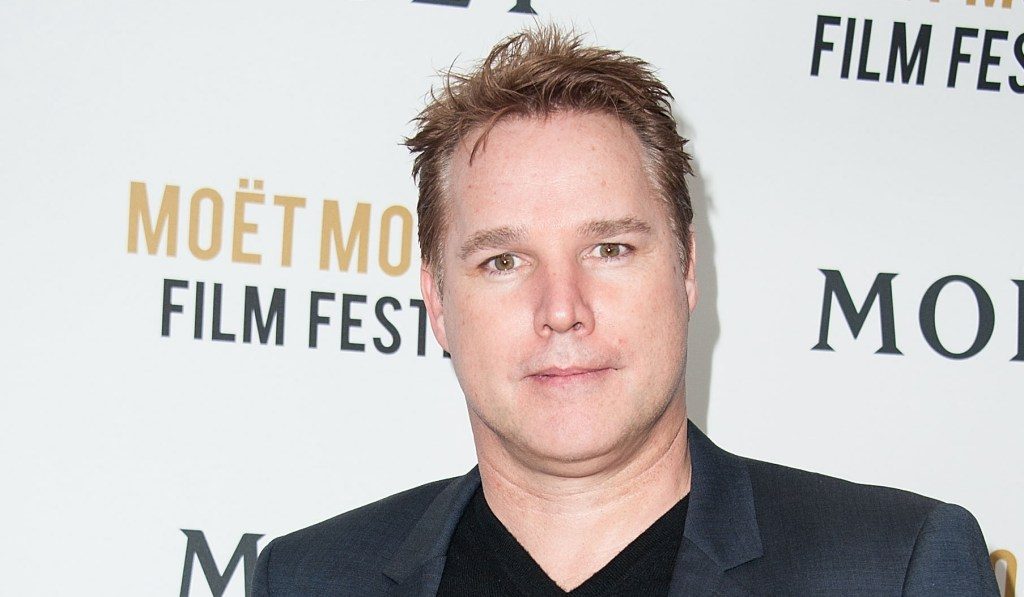
Unraveling Justice: The Case of David Guillod and the Uncharged Assault Allegations
After a prolonged period of legal turmoil, the Los Angeles District Attorney’s office has decided not to file charges against producer David Guillod regarding allegations of sexual assault. This decision has sparked discussions around the intricacies of the justice system, especially in high-profile cases where the stakes are significant, and public scrutiny is intense. In this article, we will explore the details surrounding the case, the implications of the DA’s decision, and broader perspectives on how the legal system navigates such complex situations.
The Background of the Case
David Guillod, a prominent figure in Hollywood known for his work on various successful projects, became embroiled in controversy in 2020 when accusations of sexual assault emerged. Allegations surfaced from multiple women, claiming that Guillod had engaged in inappropriate and aggressive behavior. These claims led to a significant media frenzy, drawing attention not only to Guillod but also to the cultural reckoning surrounding sexual misconduct in the entertainment industry.
In the wake of the allegations, Guillod took a step back from his professional commitments. His career faced a severe blow as he became synonymous with controversy rather than creativity. The legal proceedings that followed were marked by investigations and public statements from both sides, showcasing the complexity of navigating allegations of this nature.
The Decision Not to File Charges
In October 2023, after four years of investigation and legal scrutiny, the Los Angeles District Attorney’s office announced its choice not to pursue charges against Guillod. This decision was influenced by various factors, including the evidence available and the nature of the allegations. While the DA’s office did not provide extensive details, they emphasized the challenges involved in prosecuting sexual assault cases, particularly when it comes to consent and evidence.
This announcement has left many wondering about the efficacy of the justice system in handling such allegations. Critics argue that the decision reflects a broader issue within the legal framework, where the voices of accusers may not always lead to justice. Others, however, believe it highlights the importance of due process and the necessity to avoid wrongful accusations.
Understanding the Legal Framework
The case of David Guillod underscores the complexities inherent in sexual assault allegations. Here are several key aspects of the legal framework that are crucial to understanding such cases:
- Consent and Evidence: One of the primary challenges in sexual assault cases is proving lack of consent. Consent must be clear and unequivocal, and in many cases, the absence of physical evidence can complicate matters.
- Legal Standard: In the U.S., the legal standard for criminal cases is “beyond a reasonable doubt.” This high burden of proof means that prosecutors must be very careful about the evidence they present.
- Impact of Public Opinion: High-profile cases often attract significant media attention, which can influence public perception and even the legal proceedings themselves.
The Broader Implications for the Justice System
The decision not to charge David Guillod brings to light several broader implications for the justice system, especially concerning how it deals with allegations of sexual assault:
- Victim Advocacy: The outcome of such cases can lead to discussions about the support systems available for victims. Many advocates argue that victims need more resources and support to come forward and navigate the legal process.
- Accountability and Transparency: The public’s trust in the justice system hinges on its transparency and accountability. Cases like Guillod’s highlight the need for clear communication from legal authorities about the reasons behind their decisions.
- Cultural Shifts: The ongoing dialogue around sexual misconduct in various industries has spurred cultural shifts. There is now a greater emphasis on believing and supporting victims, which may influence future cases and how they are handled.
Public Reaction and Media Coverage
The media’s portrayal of the David Guillod case has been multifaceted, with various outlets offering differing perspectives. Some have focused on the legal aspects of the case, while others have emphasized the broader cultural implications. Public reaction has been similarly varied, with strong opinions both supporting the victims and advocating for Guillod’s presumption of innocence.
Social media has played a significant role in shaping the discourse around the case. Discussions on platforms like Twitter and Instagram have amplified both support for the accusers and calls for fairness in the legal proceedings. This dichotomy reflects the challenges of navigating complex social issues in a digital age.
Looking Ahead: The Future of the Justice System
As the David Guillod case concludes without charges, it raises essential questions about the future of the justice system in handling sexual assault allegations. Moving forward, several key considerations can help shape a more equitable and effective system:
- Enhancing Legal Support for Victims: There is a growing need for specialized legal support for victims to ensure they can effectively navigate the complexities of the legal system.
- Training for Law Enforcement: Providing law enforcement and legal professionals with comprehensive training on handling sexual assault cases can lead to improved outcomes for victims.
- Encouraging Open Dialogue: Encouraging open discussions about consent, sexual misconduct, and the legal process can help demystify the complexities and empower victims to come forward.
Conclusion
The decision not to charge David Guillod marks a pivotal moment in a case that has captured the attention of many. It serves as a reminder of the complexities involved in the legal system, particularly regarding sexual assault allegations. As society continues to grapple with these issues, the hope is for a justice system that balances the rights of the accused with the needs of victims, fostering an environment where all voices can be heard and justice can be pursued effectively.
See more ABC News Feed