Insights from D.C. Fire Chief on Recovery Operations Following Midair Collision
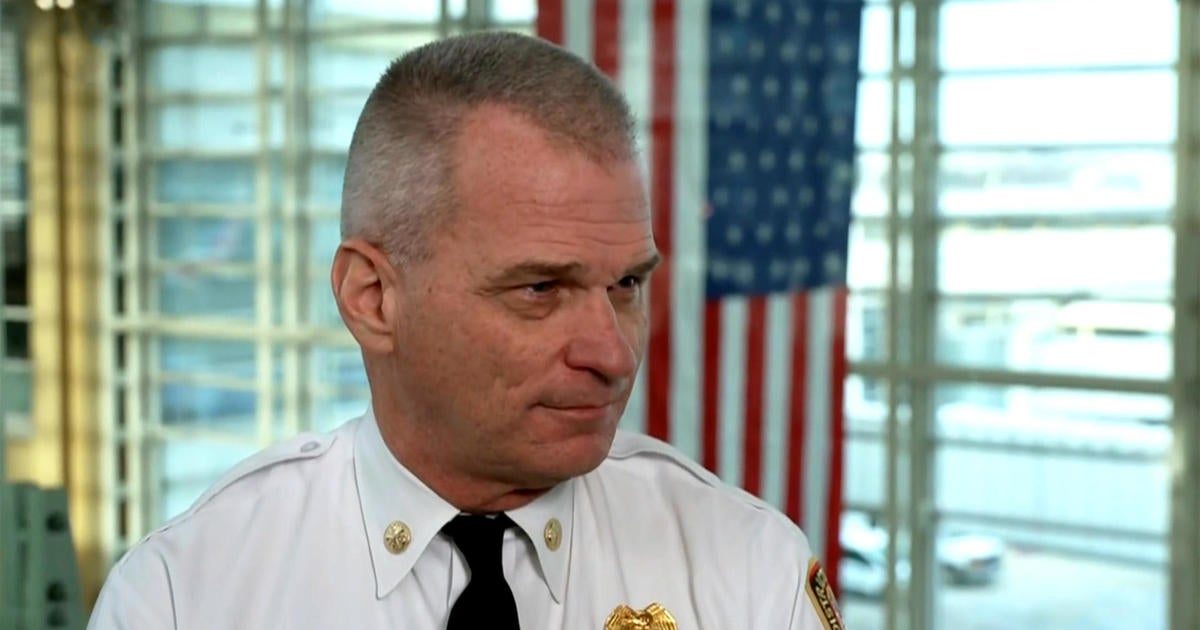
In the wake of a tragic midair collision that shook the D.C. area, Fire Chief John Smith (a pseudonym for privacy) has opened up about the intricate recovery operations that ensued. This incident not only tested the mettle of first responders but also highlighted the complexities and urgency of emergency response in scenarios involving multiple casualties and significant wreckage. Through exclusive insights from Chief Smith, we gain a deeper understanding of the strategies employed, the challenges faced, and the critical lessons learned during this harrowing event.
The Scene of the Collision: An Overview
On that fateful day, two small aircraft collided in midair above the Potomac River, resulting in a catastrophic scene that required immediate action from various emergency services. The D.C. Fire Department was one of the first on the scene, alongside police and rescue teams. The chaos of the moment was overwhelming, with debris scattered across a wide area and multiple victims needing urgent care.
Chief Smith described the scene as a “nightmare scenario,” emphasizing the need for rapid assessment and coordination among different agencies. “Every second counts in situations like this. Our priority was to establish a command center quickly and ensure that all available resources were deployed efficiently,” he stated.
Challenges in Recovery Operations
The challenges faced during recovery operations were manifold. Chief Smith identified several key difficulties that first responders encountered:
- Complexity of the Scene: The collision created a chaotic environment, with wreckage and victims in various locations. This required teams to work methodically to secure the area and locate all individuals involved.
- Communication Issues: With multiple agencies on-site, effective communication was crucial. Chief Smith noted that establishing clear lines of communication was one of the first priorities to prevent confusion.
- Victim Identification: Identifying victims amidst the debris posed significant emotional and logistical challenges. The need for sensitivity in handling remains and notifying families was paramount.
- Resource Allocation: Ensuring that the right resources—medical personnel, equipment, and vehicles—were in the right place at the right time was a logistical puzzle.
Strategies Employed in Recovery Operations
In response to these challenges, the D.C. Fire Department implemented several strategic measures to streamline recovery operations:
- Unified Command Structure: A unified command was established, integrating fire, police, and emergency medical services. This allowed for coordinated efforts and shared resources, which proved essential in the early stages of the operation.
- Rapid Assessment Teams: Deploying rapid assessment teams allowed first responders to quickly evaluate the situation, prioritize needs, and begin immediate medical assistance for survivors.
- Community Support Services: Chief Smith highlighted the importance of involving community support services, such as mental health professionals, to assist both victims’ families and responders dealing with the trauma of the incident.
- Ongoing Training and Drills: The incident underscored the necessity of regular training and simulations for first responders to prepare for such high-stakes scenarios.
The Importance of Swift Action
As Chief Smith emphasized, swift action is critical in the aftermath of a disaster. “In situations like these, the first hour is crucial. Our response can significantly impact survival rates,” he remarked. This urgency is not just about immediate medical care; it extends to securing the scene for safety and conducting thorough searches for additional victims.
First responders trained in trauma care are invaluable during these crises. Chief Smith pointed out that having personnel well-versed in emergency medical protocols can make a life-saving difference. The D.C. Fire Department has invested heavily in ongoing training to ensure that every member is prepared for anything.
Lessons Learned for Future Recovery Operations
Reflecting on the midair collision and the subsequent recovery operations, Chief Smith shared some vital lessons learned:
- Interagency Collaboration: The experience reinforced the necessity of ongoing collaboration and communication among various emergency response agencies, which can only be cultivated through regular joint drills and training.
- Public Awareness and Preparedness: Educating the public on what to do in emergencies can aid in recovery efforts. Chief Smith advocates for community outreach programs that focus on basic first aid and emergency preparedness.
- Emotional Support Systems: The psychological toll on first responders and victims’ families cannot be overlooked. Establishing robust support systems is essential for both immediate and long-term recovery.
Looking Ahead: Preparedness and Resilience
In the aftermath of the midair collision, the D.C. Fire Department is committed to learning from the experience and improving their response capabilities. Chief Smith concluded by stating, “While we can never fully prepare for every possible scenario, we can equip ourselves with the knowledge and training needed to respond effectively when tragedy strikes.”
The insights shared by Chief Smith not only highlight the bravery and dedication of first responders but also underscore the importance of community resilience in the face of disaster. As we move forward, fostering a culture of preparedness, collaboration, and support will be essential in ensuring that we are ready for whatever challenges lie ahead.
In a world where emergencies can happen at any moment, the lessons learned from this tragic event will undoubtedly shape future recovery operations, making them more efficient and humane. The D.C. Fire Department, under the leadership of Chief Smith, stands as a testament to the power of preparation and the unwavering commitment to public safety.
See more ABC News Feed


