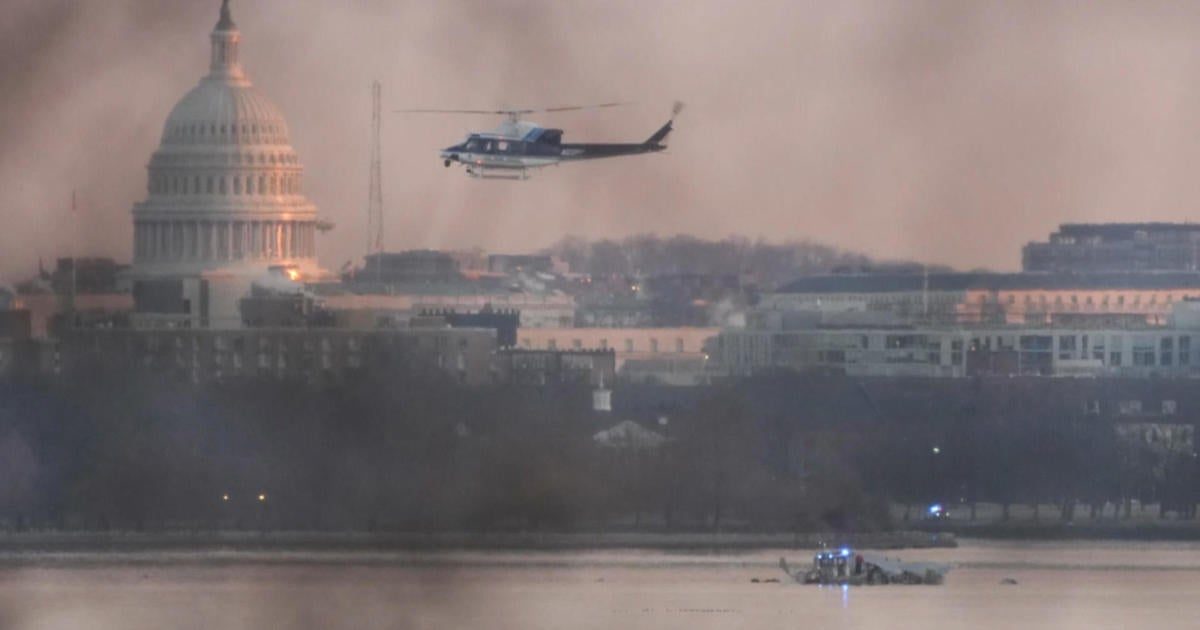
Unraveling the Tragedy: Insights into the D.C. Midair Collision That Claimed 67 Lives
The skies over Washington D.C. became the scene of one of aviation’s most harrowing tragedies when a midair collision claimed 67 lives, sending shockwaves through the community and the aviation industry. As families mourn their loved ones, an investigation has begun to shed light on the events leading up to this catastrophic incident. In this article, we delve into the investigation’s findings, the implications for aviation safety, and the regulatory changes that may arise in the aftermath of this disaster.
The Incident: A Dark Day for Aviation
On that fateful day, two commercial aircraft collided midair, resulting in a catastrophic fall that left debris scattered across the D.C. metropolitan area. Eyewitnesses reported seeing the planes in distress moments before the collision, with some noting how quickly the situation escalated from what seemed like a routine flight to a disaster.
The aircraft involved in the accident were operating under different flight paths, contributing to the complexity of the situation. Initial reports indicated that miscommunication between air traffic control and the pilots may have played a significant role in the accident. This aspect highlights the critical importance of coordination and communication in aviation safety.
Investigative Findings and Insights
The National Transportation Safety Board (NTSB) took charge of the investigation, which involved meticulous analysis of flight data recorders, cockpit voice recorders, and radar data. Early findings suggest that several factors may have contributed to the collision:
- Human Error: Preliminary assessments indicate potential miscommunication between air traffic controllers and pilots, raising questions about adherence to established protocols.
- Weather Conditions: While weather was not a direct cause, poor visibility and changing conditions may have compounded the challenges faced by pilots.
- Aircraft Maintenance: Investigators are examining the maintenance records of both aircraft to ensure they met all safety regulations prior to takeoff.
As the investigation unfolds, families of the victims are left searching for answers. Support groups have emerged to help them navigate their grief while providing a platform to share their experiences and seek justice.
The Human Impact: Remembering the Victims
Behind the statistics of this tragic collision are real lives lost—67 individuals who had dreams, families, and aspirations. Each victim’s story adds a personal dimension to this tragedy, reminding us of the human cost of aviation errors. Memorial services have been held across the nation, with families coming together to honor their loved ones through shared memories and support.
Implications for Aviation Safety
The D.C. midair collision has reignited discussions around aviation safety regulations. Experts and stakeholders are calling for a thorough review of current protocols to prevent similar tragedies in the future. Here are some potential areas for improvement:
- Enhanced Training: There is a pressing need for increased training for air traffic controllers and pilots, particularly in emergency protocols and communication techniques.
- Technology Upgrades: Implementing advanced collision avoidance systems and improving radar technology could significantly reduce the risk of midair collisions.
- Regulatory Revisions: Regulatory bodies may need to revise safety standards and protocols based on the investigation’s findings, ensuring they reflect the latest technology and best practices.
Lessons Learned and the Path Forward
While the tragedy is a stark reminder of the potential dangers of air travel, it also provides an opportunity for the aviation industry to learn and grow. The findings from the investigation will likely lead to enhanced safety measures, ensuring that the legacy of the victims prompts meaningful change.
Furthermore, the event has sparked a nationwide conversation about the importance of aviation safety. Stakeholders, including airlines, regulators, and safety advocates, are coming together to share insights and develop strategies to mitigate risks in the future.
Conclusion: Seeking Closure and Change
As families of the 67 victims of the D.C. midair collision seek closure, the investigation continues to unfold, revealing critical insights into the tragedy. The lessons learned from this incident will undoubtedly shape the future of aviation safety and regulation, with the hope that no other families will have to endure such a profound loss.
In the wake of this disaster, it is essential for the aviation community to come together, prioritizing safety and communication to ensure that the skies remain safe for all. The commitment to learning from this tragedy stands as a testament to the resilience of the human spirit and the unyielding pursuit of progress in the face of adversity.
See more ABC News Feed