New York Times Faces Off Against Justin Baldoni in High-Stakes Defamation Case
The ongoing defamation lawsuit between the New York Times and actor Justin Baldoni has garnered significant attention, igniting discussions surrounding media ethics, accountability, and the delicate balance between freedom of expression and individual rights. This case, which combines elements of celebrity culture with pressing legal questions, is poised to set important precedents in the realm of journalism and public discourse.
Background of the Case
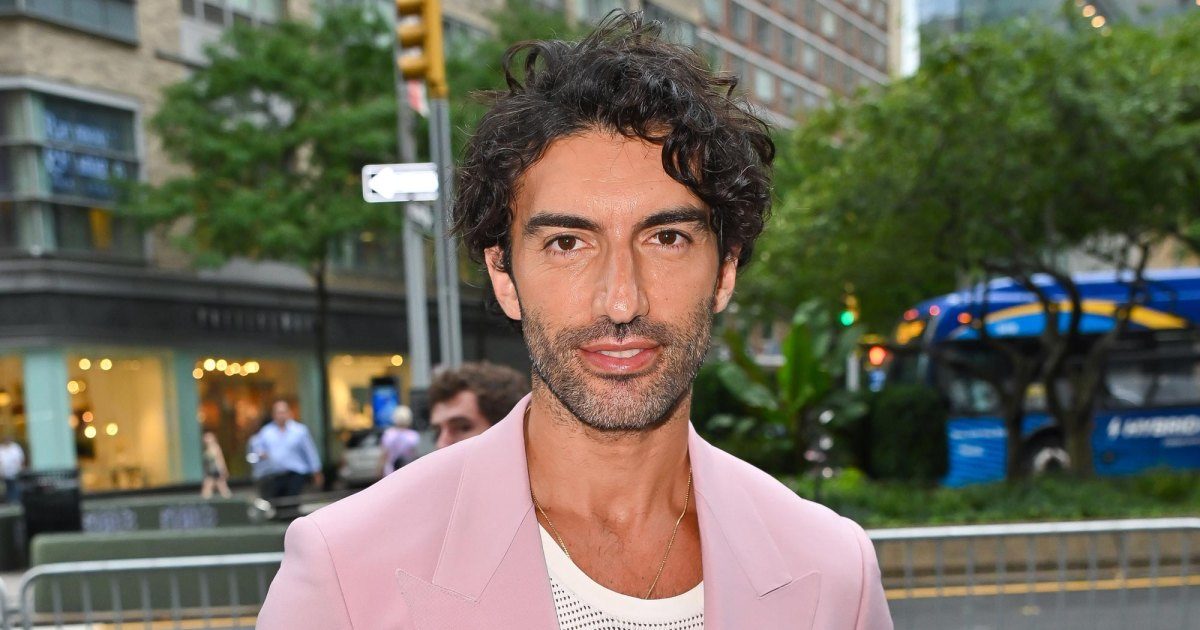
Justin Baldoni, an actor known for his roles in popular television series and films, has filed a defamation lawsuit against the New York Times. The lawsuit stems from a series of articles published by the Times that Baldoni claims contain false and damaging statements about his personal and professional life. The actor asserts that these reports have not only tarnished his reputation but also affected his career opportunities and personal relationships.
The specific allegations in Baldoni’s lawsuit highlight the potential repercussions of misinformation in the digital age. As a prominent figure, Baldoni’s life is often under scrutiny, and he has been a vocal advocate for mental health awareness and social change. Thus, the implications of the articles in question extend beyond mere reputation; they touch on the broader conversation about how media representations influence public perception and societal norms.
The Legal Landscape of Defamation
Defamation law seeks to protect individuals from false statements that can harm their reputation. In the United States, public figures, like Baldoni, face a higher burden of proof in defamation cases, necessitating the demonstration of “actual malice.” This legal standard demands that the plaintiff prove that the publisher knew the information was false or acted with reckless disregard for the truth.
As the New York Times gears up for this high-stakes trial, legal experts are closely watching how the court interprets the nuances of defamation in the context of journalism. The case raises critical questions, such as:
- What constitutes “actual malice” in reporting?
- How should media outlets balance freedom of the press with the responsibility to report accurately?
- What impact does social media have on the dissemination of information and potential defamation?
Media Accountability and Freedom of Expression
At the heart of the Baldoni vs. New York Times case lies a fundamental tension between media accountability and the freedom of expression. In a world where news travels fast, the responsibility of media outlets to ensure the accuracy of their reporting is more crucial than ever. The New York Times, as one of the leading newspapers, carries a significant weight in shaping public opinion and must navigate this responsibility with care.
Media accountability is essential for maintaining trust between journalists and their audience. When inaccuracies arise in reporting, they can have far-reaching consequences, particularly when the subject is a public figure like Baldoni. The outcome of this case may influence how journalists approach their work and may even lead to changes in editorial policies regarding the verification of information and the handling of sensitive topics.
The Role of Social Media
In today’s digital age, social media has transformed the landscape of news consumption. Information spreads rapidly, often outpacing traditional journalistic standards. As a result, misinformation can easily proliferate, complicating the already challenging realm of defamation law. The interplay between social media and traditional journalism is a critical aspect of the Baldoni case.
Public figures often find themselves at the mercy of online narratives, which can be fueled by sensationalism and clickbait. The New York Times, while adhering to journalistic standards, may still find itself grappling with the impact of social media on public perception and the speed at which information can circulate. This dynamic raises essential considerations for the case:
- How do social media platforms contribute to the spread of potentially defamatory content?
- What responsibilities do these platforms have in moderating false information?
- Can traditional media outlets be held accountable for disseminating information that originated on social media?
The Impact of the Case on Public Figures
For Justin Baldoni and other public figures, the stakes in this defamation case extend beyond personal reputation. The outcome could set a precedent for how public figures protect themselves against harmful narratives perpetuated by the media. A victory for Baldoni could empower other celebrities and individuals to hold media outlets accountable for inaccuracies, fostering a culture of greater responsibility in journalism.
Moreover, this case highlights the broader implications for public discourse. As society becomes increasingly polarized, the role of the media in shaping conversations around sensitive topics, such as mental health—an area that Baldoni is particularly passionate about—becomes even more critical. A careful examination of how media portrays public figures can influence societal attitudes and behaviors, making the accuracy of reporting essential.
Looking Forward: Implications for Journalism
The New York Times faces a challenging path ahead as it prepares its defense against Baldoni’s claims. Regardless of the outcome, this case is likely to prompt introspection within the journalism community regarding ethical reporting practices and the potential consequences of unchecked narratives.
As audiences become more discerning consumers of news, the responsibility of media outlets to uphold integrity and accuracy will be paramount. The Baldoni case stands to serve as a reminder of the power of the press and the importance of accountability in fostering a fair and just society.
Conclusion
The defamation lawsuit brought by Justin Baldoni against the New York Times encapsulates a pivotal moment in the intersection of media accountability and freedom of expression. As the trial unfolds, it will undoubtedly shape the future of journalism and redefine the parameters of responsible reporting. This case not only highlights the personal stakes for Baldoni but also underscores the broader implications for public figures navigating a complex and often unforgiving media landscape.
In a world where information is at our fingertips, ensuring the truth prevails is more critical than ever. The outcome of this case may well influence how both media and public figures interact in the digital age, ultimately reinforcing the principles of accuracy and accountability that underpin our democratic society.
See more ABC News Feed