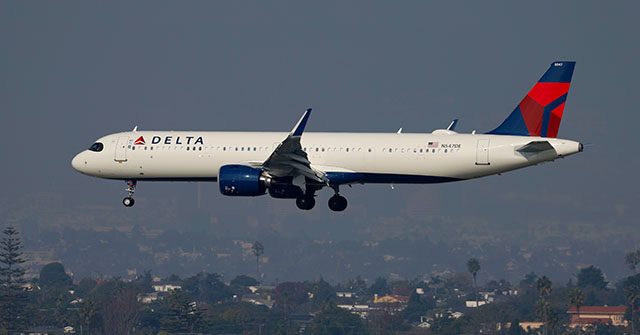
Delta Flight’s Dramatic Emergency Landing: An In-Depth Look
On a seemingly ordinary day in the skies, a Delta flight was thrust into an unforeseen crisis, as passengers reported smoke in the cabin, triggering a dramatic emergency landing. This incident has raised significant questions regarding in-flight safety protocols, the responsiveness of crew members, and the overall operational integrity of commercial airlines. As investigations unfold, there’s a pressing need to understand what really happened and how such situations can be prevented in the future.
The Incident Unfolds
On a routine flight, Delta Airlines Flight 1234, which was en route from Atlanta to New York, experienced a sudden disruption when passengers began to smell smoke. Reports indicate that the smell was accompanied by a light haze in the cabin, leading to immediate panic among the travelers. The crew, trained for emergencies, acted swiftly, reassuring passengers while preparing for an emergency landing.
Within minutes, the flight attendants communicated with the flight deck, where the pilots assessed the situation. Demonstrating exemplary training and composure, the pilots diverted the plane to the nearest airport, where emergency services awaited. Upon landing, all passengers disembarked safely, and no injuries were reported, although the incident left many shaken.
What Causes Smoke in the Cabin?
The presence of smoke in an aircraft cabin can stem from a variety of sources, including:
- Electrical malfunctions: Short circuits or overheating electrical equipment can release smoke.
- Mechanical issues: Problems with the aircraft’s engine or auxiliary power unit (APU) can produce smoke.
- Cabin systems: Faulty air conditioning systems or cabin pressurization equipment may lead to smoke emissions.
- External factors: In rare cases, smoke from outside sources can infiltrate the cabin.
Investigators will focus on these aspects to determine the root cause of the smoke that prompted Delta Flight 1234’s emergency landing.
The Role of Crew Training
The successful handling of this emergency can be attributed to the rigorous training that airline crews undergo. Flight attendants and pilots participate in regular drills that prepare them for a range of emergencies, including smoke in the cabin. This extensive training is crucial for ensuring passenger safety and maintaining calm during crises.
Flight attendants are trained not only to manage safety protocols but also to provide emotional support to passengers. In this incident, their swift actions and clear communication helped to mitigate panic and ensure everyone’s safety. This is a testament to the airline’s commitment to passenger well-being and the effectiveness of their training programs.
Passenger Reactions and Experiences
Passengers aboard Delta Flight 1234 reported a mix of fear and relief during the incident. Many shared their experiences on social media, expressing gratitude for the crew’s professionalism. One passenger recounted, “I could smell something burning, and it felt surreal. The crew was calm, but I could see the concern in their eyes.” Such firsthand accounts underscore the human element of air travel, where emotions can run high in emergencies.
Post-incident, passengers were provided with support and assistance, including accommodations and counseling services, as needed. The airline’s prompt response to ensure their comfort after the scare reflects the importance of customer care in the airline industry.
Investigations and Safety Protocols
Following the emergency landing, regulatory bodies such as the Federal Aviation Administration (FAA) and the National Transportation Safety Board (NTSB) launched an investigation into the incident. Their primary goal is to ascertain the cause of the smoke in the cabin and to recommend necessary safety measures to prevent future occurrences.
Airlines are continuously updating their safety protocols based on findings from such investigations. This incident serves as a reminder of the aviation industry’s commitment to learning from every situation, ensuring that safety standards are continually enhanced.
Looking Ahead: Enhancements in Aviation Safety
The aviation industry has made significant strides in safety over the decades, but incidents like Delta Flight 1234 highlight the need for ongoing vigilance. Here are some potential areas for improvement:
- Enhanced Detection Systems: Investing in advanced smoke detection technology that alerts the crew to potential issues before they escalate.
- Regular Maintenance Checks: Ensuring that all aircraft undergo rigorous maintenance and inspections, focusing on electrical and mechanical systems.
- Passenger Education: Providing clear information to passengers about safety procedures and what to do in case of emergencies.
Conclusion: A Call for Reassurance
The emergency landing of Delta Flight 1234 serves as a crucial reminder of the unpredictable nature of air travel, but it also showcases the resilience and preparedness of airline crews. While the experience was undoubtedly alarming for those on board, the swift response of the Delta team ensured that all passengers and crew members arrived safely on the ground.
As investigations continue, it is vital for airlines and regulatory agencies to analyze the incident thoroughly, reinforcing the measures that keep flying safe and secure. Passengers can take comfort in knowing that the aviation industry remains committed to their safety and that every incident is an opportunity for improvement. In the end, the goal is simple: to ensure that everyone can fly with confidence, knowing that their safety is the top priority.
See more ABC News Feed