Breakthrough in Forensics Solves 20-Year-Old John Doe Mystery Using DNA Technology
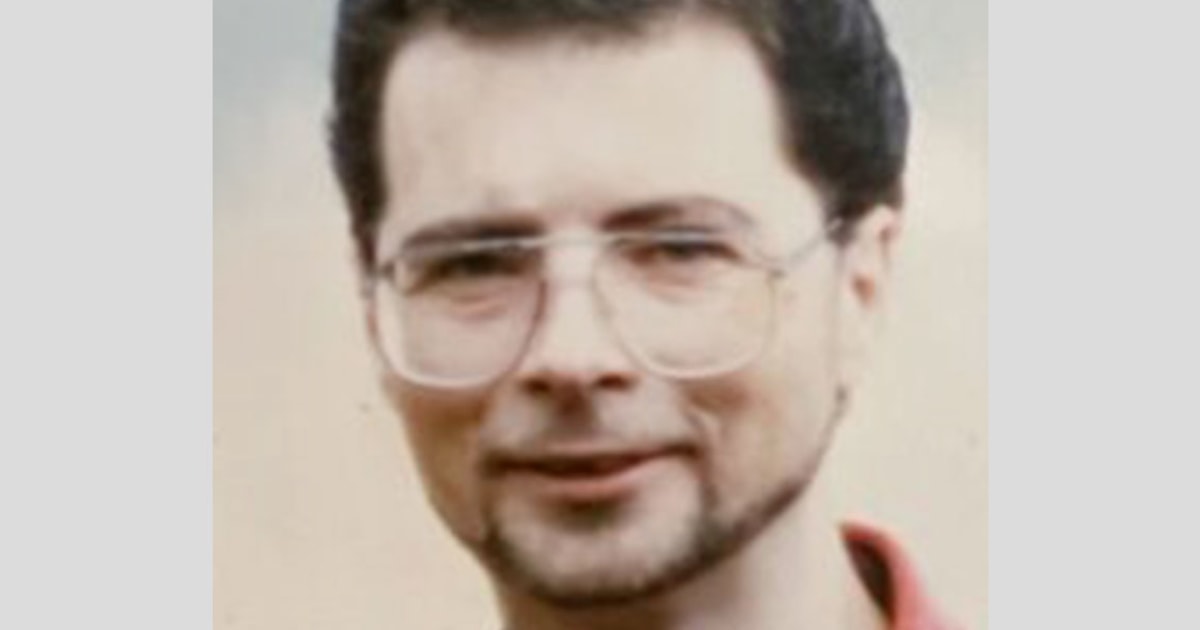
After two decades of unanswered questions, forensic scientists have identified a previously unknown John Doe through cutting-edge DNA sequencing. The breakthrough, announced this week by the National Missing and Unidentified Persons System (NamUs), resolves a cold case that stumped investigators since 2003. The victim, now confirmed as 32-year-old construction worker Michael Bryson, disappeared under suspicious circumstances in rural Ohio. Advanced genetic genealogy techniques finally pieced together his identity, offering long-awaited closure to his surviving family.
The Cold Case That Defied Traditional Methods
Bryson’s remains were discovered in a wooded area near Dayton in 2004, but decomposition and a lack of dental records left investigators with few leads. Despite nationwide appeals and forensic sketches, the case grew cold. “Back then, we lacked the tools to connect the dots,” said retired detective Clara Mears, who worked the original case. “DNA technology was in its infancy for forensic applications.”
Key challenges in the investigation included:
- No matching fingerprints or dental records
- Limited DNA degradation due to environmental exposure
- No missing persons reports matching the victim’s profile
How Genetic Genealogy Cracked the Case
In 2022, forensic specialists at Othram Inc., a private lab specializing in DNA analysis, extracted viable genetic material from Bryson’s bones. Using whole genome sequencing—a technique 400% more precise than standard methods—they built a comprehensive DNA profile. By cross-referencing it with public genealogy databases, they identified distant relatives, eventually narrowing the search to Bryson’s immediate family.
“This case exemplifies how genetic genealogy bridges gaps when traditional methods fail,” said Dr. Ellen Voss, a forensic geneticist at Johns Hopkins University. “We’re now solving cases that seemed hopeless just five years ago.”
The Human Impact: A Family’s 20-Year Wait for Answers
Bryson’s sister, Lisa Carter, recounted the emotional moment investigators confirmed his identity. “We’d given up hope,” she said. “Michael was always the kindest soul. Knowing what happened won’t bring him back, but it helps us heal.” Authorities are now revisiting the case as a homicide investigation, though details remain scarce.
Statistics underscore the scale of the challenge:
- Over 4,400 unidentified bodies are recovered annually in the U.S. (FBI data)
- NamUs estimates 60% of John/Jane Doe cases could be solved with advanced DNA testing
- Genetic genealogy has identified 200+ cold case victims since 2018
Ethical Considerations and Future Directions
While celebrated, the technique raises privacy debates. Genealogy databases rely on voluntary submissions, often from individuals unaware their DNA could aid criminal investigations. “Transparency is critical,” argued ethicist Dr. Raj Patel. “Families deserve to understand how their genetic data might be used.”
Looking ahead, forensic labs are prioritizing:
- Expanding partnerships with genealogy platforms
- Reducing processing times (currently 6–18 months per case)
- Securing federal funding to address backlogs
A New Era for Forensic Science
Bryson’s identification marks a watershed moment for cold case investigations. “This technology is rewriting the rules,” said FBI forensic division head Mark Reynolds. “Every breakthrough inspires us to re-examine old cases with fresh eyes.”
For families awaiting answers, the message is clear: persistence and innovation are chipping away at justice’s longest-standing gaps. Those with information about unsolved cases are urged to contact NamUs or local law enforcement.
See more ABC News Feed