Introduction
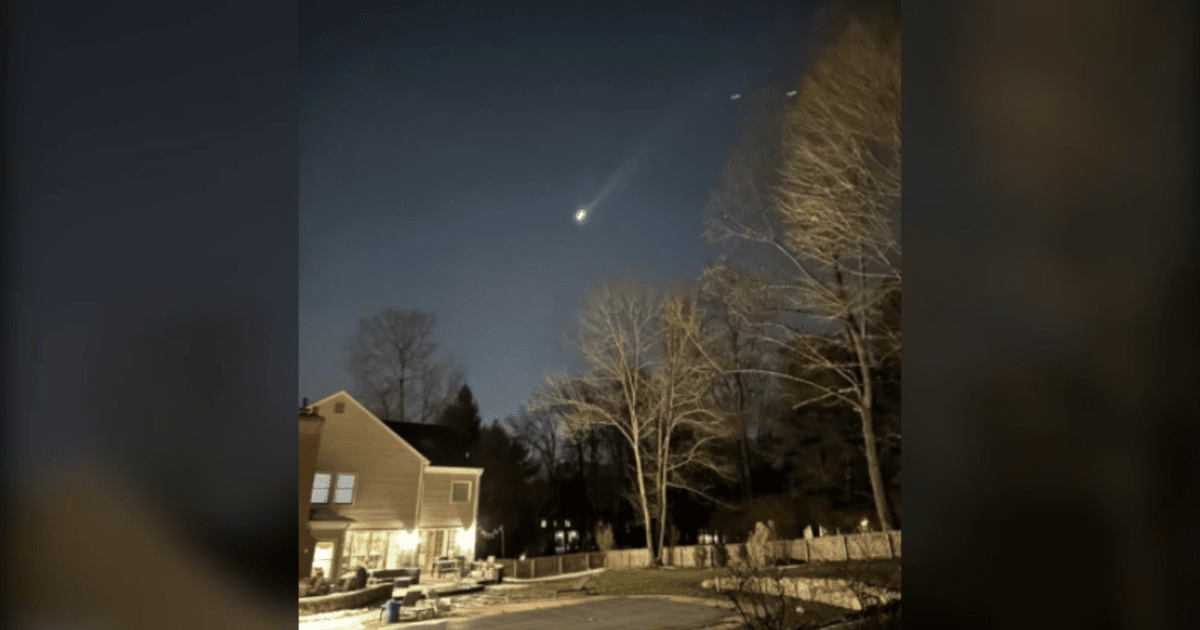
In recent months, an unsettling phenomenon has emerged across the skies of the United States: a series of unidentified drone sightings that have left federal agencies, military officials, and the public in a state of confusion. As officials grapple with the implications of these aerial encounters, a growing chorus of voices, including lawmakers like Representative Michael Waltz, has called for greater transparency and accountability in the investigation of these incidents. This article aims to unravel the complexities surrounding the recent drone sightings, exploring potential origins, the response from authorities, and the broader implications for national security and public safety.
The Nature of the Drone Sightings
The recent uptick in drone sightings has been characterized by a mix of intriguing and concerning reports. Witnesses have described various drones operating at unusual altitudes, often performing maneuvers that challenge conventional aviation norms. These sightings have been reported across multiple states, raising questions about the motivations behind the operations and the identity of the operators.
Characteristics of the Drones
Descriptions of the drones vary, but common features include:
- Size: Many witnesses report seeing drones that are larger than typical consumer models, potentially indicating military or commercial-grade equipment.
- Flight Patterns: Reports often highlight erratic flight paths, hovering capabilities, and rapid ascents or descents, suggesting advanced technology.
- Lighting and Sound: Some drones have been described as having distinctive lighting patterns and minimal noise, making them difficult to detect.
Potential Origins
As investigations continue, several theories regarding the origins of these drones have emerged:
- Government Operations: Some speculate that these sightings could be linked to military or governmental surveillance operations, particularly in sensitive areas.
- Commercial Use: With the rise of drone technology in commerce, businesses may be testing or deploying drones for various purposes, including delivery services or aerial surveying.
- Unauthorized Operators: The possibility of rogue individuals or groups operating drones for nefarious purposes cannot be overlooked, particularly given the lack of regulatory oversight in many jurisdictions.
Federal Response and Accountability
The federal response to these drone sightings has been marked by a perplexing standoff, as various agencies struggle to coordinate their efforts and provide clarity to the public. The Federal Aviation Administration (FAA) and the Department of Defense (DoD) have been particularly involved, yet their communications have often been at odds.
Challenges in Investigation
Several challenges hinder the investigation of drone sightings:
- Tracking Technology: Current radar systems may not be equipped to track small drones, which makes pinpointing their locations and origins difficult.
- Legal Barriers: The airspace above the United States is regulated and complex, with limitations on where drones can operate. This legal framework complicates the ability to identify unauthorized flights.
- Public Mistrust: A lack of transparency and inconsistent communication from federal agencies has led to public skepticism regarding the government’s knowledge and response to these incidents.
Calls for Transparency
As the confusion continues, calls for greater transparency have gained momentum. Legislators like Waltz have emphasized the need for clearer communication from federal agencies regarding the nature of these sightings and the steps being taken to address them. Advocates argue that open dialogue is essential not only for public safety but also for maintaining trust in government institutions.
Broader Implications of Drone Sightings
The implications of these drone sightings extend beyond mere curiosity; they touch upon critical issues of national security, privacy, and regulatory frameworks.
National Security Concerns
From a national security perspective, the presence of unidentified drones poses potential threats:
- Surveillance Risks: Drones could be used for espionage or reconnaissance, gathering sensitive information about military installations or critical infrastructure.
- Threats to Aviation: Unauthorized drone operations near airports or high-traffic airspace could lead to dangerous encounters with manned aircraft, resulting in catastrophic accidents.
- Terrorism and Malicious Intent: There is a risk that drones could be weaponized or used in coordinated attacks, posing a significant challenge for law enforcement and security agencies.
Privacy and Regulatory Challenges
The rise of drone technology also raises pressing questions about privacy rights and regulatory oversight:
- Invasion of Privacy: Drones equipped with cameras can easily intrude on personal privacy, sparking debates about surveillance and consent.
- Need for Regulation: As drone technology continues to evolve, there is an urgent need for updated regulations that address both commercial and recreational use, ensuring safe operations within the airspace.
Conclusion
The recent drone sightings represent more than just an aviation curiosity; they signify a complex interplay of technology, security, and public discourse. As federal agencies navigate the murky waters of accountability and transparency, it is crucial for lawmakers, aviation authorities, and the public to engage in constructive dialogue about the implications of these sightings. With the rapid advancement of drone technology and its myriad applications, it is imperative to develop a comprehensive framework that addresses safety, security, and privacy concerns. Only through collaboration and open communication can we hope to unravel the mystery behind these aerial phenomena and ensure the safety of our skies.
See more ABC News Feed