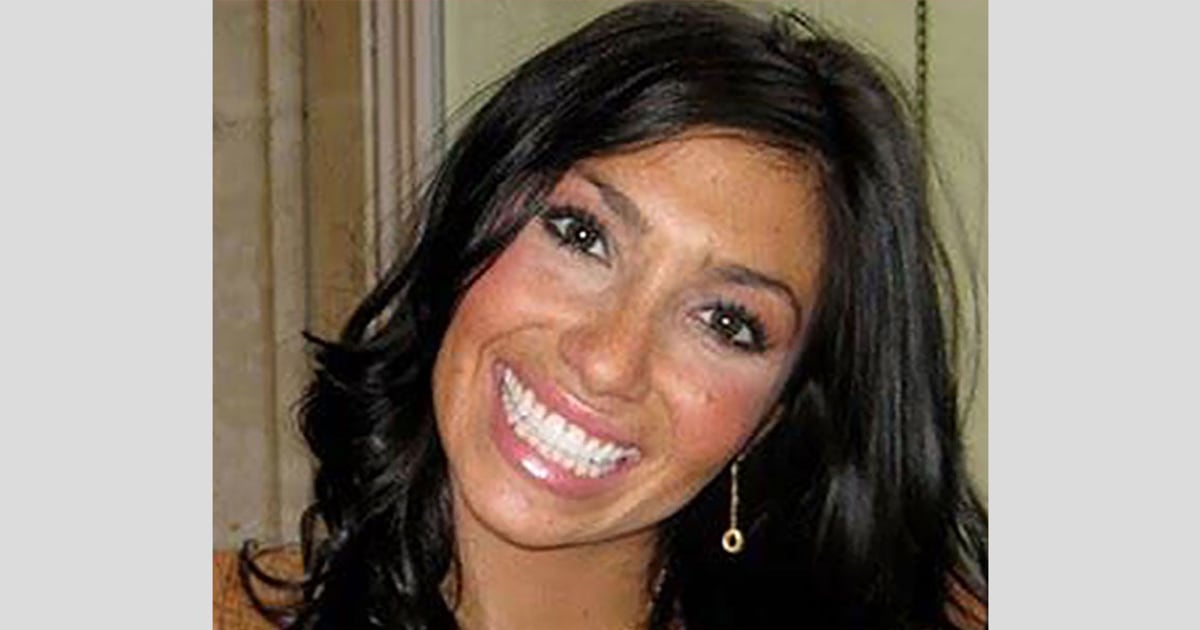
New Developments in the Ellen Greenberg Case: A Teacher’s Tragic Death Reexamined
The tragic death of Ellen Greenberg, a dedicated teacher from Philadelphia, has long been shrouded in mystery and controversy. Initially ruled a suicide, recent developments have prompted a reevaluation of the circumstances surrounding her untimely passing. A prominent pathologist has publicly reversed the original findings, sparking renewed interest and discussions regarding the investigation into her death. This article delves into the details of this case, the implications of the new evidence, and the broader context surrounding the investigation.
The Initial Investigation and Its Findings
On January 26, 2011, Ellen Greenberg was found dead in her apartment, having suffered 20 stab wounds. The initial investigation by the Philadelphia Police Department concluded that her death was a suicide. This ruling was based on the circumstances of the scene and a lack of immediate evidence pointing to foul play. However, many friends and family members questioned this conclusion, citing Ellen’s vibrant personality and absence of any known mental health issues that could lead to such a drastic action.
The psychological profile of Ellen Greenberg, a beloved teacher at a local elementary school, painted a picture of someone who was passionate about her work and her students. Her abrupt death left a profound impact on those who knew her, leading them to seek answers beyond the initial investigation. Over the years, several advocates, including her parents, have continually disputed the suicide ruling, arguing that the evidence did not adequately support such a conclusion.
New Developments: A Pathologist’s Reversal
Recently, the case gained new momentum when a respected pathologist publicly reversed the initial findings. Dr. Cyril Wecht, known for his work on high-profile cases, has stated that the evidence presented in Ellen’s case aligns more closely with homicide than suicide. His assertion that the nature and number of stab wounds could not logically correspond to a self-inflicted act has reignited discussions around the investigation.
Dr. Wecht’s involvement has brought fresh scrutiny to the evidence. He highlights key points that many believe were overlooked during the initial investigation:
- Number of Wounds: The sheer number of stab wounds (20) raises questions about the likelihood of suicide.
- Location of Wounds: The distribution of the wounds suggests an attack rather than self-harm.
- Psychological Profile: Those who knew Ellen reported no signs of suicidal ideation.
The Ramifications of the New Findings
The reversal of the suicide ruling by a credible pathologist has profound implications. It not only raises questions about the thoroughness of the original investigation but also highlights the potential for systemic failures in handling cases that may involve foul play. The public’s trust in law enforcement and investigative processes can be significantly impacted when cases are handled with perceived negligence.
The implications extend beyond just Ellen Greenberg’s case. This situation underscores the need for rigorous standards in investigating deaths where the circumstances are ambiguous. It also calls for law enforcement agencies to remain open to revisiting cases as new evidence and expert opinions emerge.
Public Reaction and Advocacy
In the wake of these new developments, public interest has surged. Social media platforms and advocacy groups are buzzing with discussions about the case, as many people express their disbelief at the initial ruling. Ellen’s family, particularly her parents, have been vocal advocates for justice, tirelessly campaigning for a renewed investigation.
They have utilized platforms such as Change.org to gather support, emphasizing the importance of revisiting Ellen’s case. Their efforts reflect a growing movement in society to demand accountability and transparency from law enforcement agencies regarding unsolved or poorly investigated cases.
The Role of Media and Awareness
The media plays a crucial role in cases like Ellen Greenberg’s. Coverage can help keep the story alive, pressure authorities to act, and raise public awareness about potential miscarriages of justice. Investigative journalism has the power to uncover facts that may have been ignored or overlooked during initial investigations.
Documentaries, podcasts, and true-crime series are increasingly popular, often shedding light on cases that require further scrutiny. These platforms can create a powerful narrative that resonates with the public and encourages community involvement in seeking justice.
What’s Next for the Ellen Greenberg Case?
The recent developments in the Ellen Greenberg case open the door for potential re-investigation. The Philadelphia authorities may be compelled to revisit the evidence and consider the new expert opinions that challenge the original ruling. Renewed forensic analysis, interviews with witnesses, and a comprehensive review of the circumstances surrounding her death may be warranted.
As calls for justice grow louder, the hope remains that Ellen’s family and friends will ultimately find the closure they seek. The quest for truth in tragic circumstances like these is not just about justice for one individual, but also about establishing a precedent for how similar cases are handled in the future.
Conclusion: The Search for Justice Continues
The Ellen Greenberg case serves as a poignant reminder of the complexities involved in death investigations. As new developments unfold, the question of justice becomes paramount. The reversal of the suicide ruling has opened up a path for further inquiry and a potential reassessment of the evidence. In the coming months, as this case gains traction once again, it reminds us of the importance of vigilance, advocacy, and the relentless pursuit of truth in the face of tragedy.
In a society that values justice, the Ellen Greenberg case stands as a symbol of hope that, through persistence and public advocacy, the truth will eventually prevail.
See more ABC News Feed