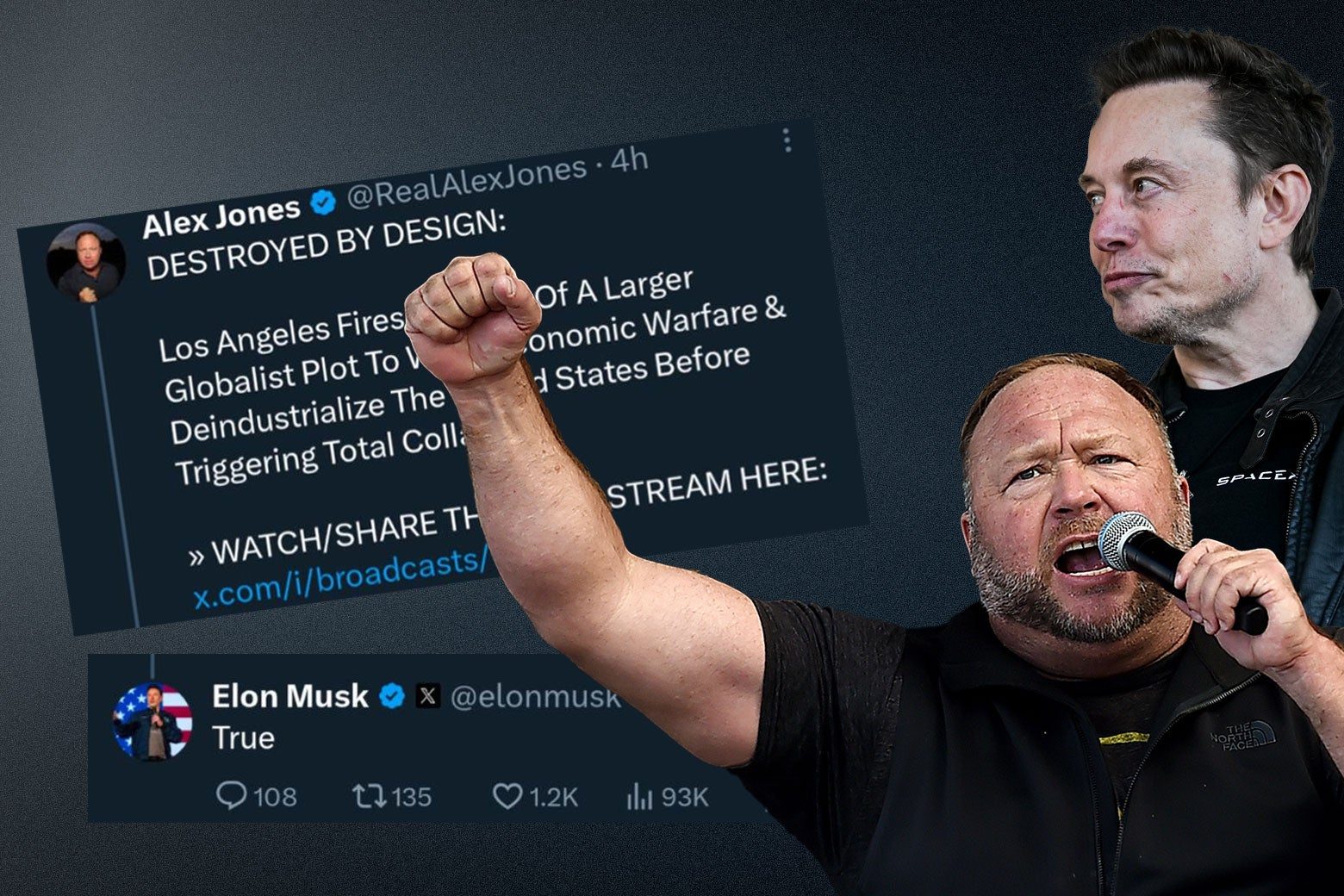
Elon Musk Fuels Controversy with Alex Jones’ Conspiracy Theories Amid LA Fires
As wildfires rage across Los Angeles, a city already grappling with the impacts of climate change, Elon Musk has stirred significant controversy by amplifying conspiracy theories associated with Alex Jones. This unexpected move has ignited a fierce debate about the responsibilities of influential figures in shaping public discourse, particularly during crises when misinformation can exacerbate already dire situations.
The Context: LA Fires and Public Concern
Los Angeles is no stranger to wildfires, but the recent wave has been particularly devastating. With thousands of acres scorched and multiple evacuations ordered, the community is understandably anxious. During such challenging times, individuals often turn to social media for updates, comfort, and clarity. However, when high-profile figures like Musk engage with conspiracy theories, it raises critical questions about the integrity of information that is disseminated.
Wildfires have a profound impact not only on the environment but also on human health, property, and the economy. As residents face evacuations and smoke-related health issues, the need for accurate information becomes paramount. Misinformation can lead to panic, distrust, and dangerous behaviors, making the role of public figures all the more significant.
Musk’s Social Media Influence
Elon Musk, the CEO of Tesla and SpaceX, is known for his active presence on social media platforms, particularly Twitter (now X). His tweets can move markets, influence public opinion, and ignite significant discussions. Recently, Musk shared posts that seemed to echo conspiracy theories promoted by Alex Jones, a figure infamous for his controversial takes on various issues, including climate change and government actions.
This intersection of Musk’s platform and Jones’ theories has caused a stir. Critics argue that Musk’s endorsement of such ideas, even indirectly, can give them a veneer of credibility that they do not deserve. It also raises ethical questions about the responsibility of those with substantial followings to verify the information they share.
Understanding the Conspiracy Theories
Alex Jones is widely known for his conspiracy theories, some of which have been debunked. He has claimed, for example, that various catastrophic events are hoaxes or government orchestrations. During the LA fires, some of his theories have suggested that these disasters are being manipulated for political gain or profit, casting doubt on the severity of the situation and the motivations of emergency services.
- Distraction Tactics: Some theories propose that the fires are a distraction from political issues.
- Profit Motives: Others speculate that certain corporations benefit from the fires through insurance payouts or government contracts.
- Manipulation by Authorities: There are claims that local authorities exacerbate the situation to enforce stricter regulations.
Such narratives can sow distrust in legitimate authorities and emergency responses. When influential figures like Musk share or endorse these ideas, it can lead to a widespread belief in these unfounded claims, hindering effective crisis management.
The Impact of Misinformation
Misinformation during a crisis can have tangible consequences. Here are some potential effects:
- Panic and Confusion: People may react impulsively, leading to overcrowded shelters or unsafe evacuation choices.
- Distrust in Authorities: If individuals believe that government agencies are manipulating events, they may not heed evacuation orders or safety warnings.
- Public Health Risks: Misinformation can lead to health risks, such as ignoring air quality warnings related to smoke inhalation.
These issues underscore the importance of responsible messaging, especially from those with a significant platform.
The Role of Social Media in Crisis Communication
Social media serves as a critical tool for communication during emergencies. It allows for rapid dissemination of information, updates on safety protocols, and community support. However, the same platforms that can be used for good can also spread false information. The challenge is to strike a balance between free speech and the potential harm that misinformation can cause.
In the context of the LA fires, it becomes essential for social media platforms to prioritize the accuracy of information shared. Verification systems and fact-checking initiatives can play a crucial role in curbing the spread of conspiracy theories. Furthermore, educating the public on recognizing credible sources is vital in empowering individuals to discern fact from fiction.
Musk’s Responsibility as a Public Figure
Elon Musk’s position as a billionaire and influential entrepreneur comes with a level of responsibility. While he is entitled to share his thoughts and perspectives, he also must recognize the potential impact of his words. In moments of crisis, public figures should ideally promote unity and support, rather than division and skepticism.
Critics argue that Musk’s engagement with controversial figures like Alex Jones undermines the seriousness of issues like climate change and emergency management. Instead of contributing to constructive dialogue, Musk’s actions may inadvertently legitimize unfounded claims that could hinder emergency responses.
Looking Ahead: The Need for Responsible Discourse
As society becomes increasingly reliant on social media for news and information, the need for responsible discourse becomes more pressing. Influencers, celebrities, and public figures have a duty to engage with their audiences thoughtfully. Here are some strategies they can adopt:
- Fact-Checking: Before sharing information, public figures should ensure their sources are credible and verified.
- Promote Critical Thinking: Encourage followers to question and verify claims rather than accept them at face value.
- Support Accurate Information Dissemination: Use platforms to highlight credible sources and provide real-time updates during crises.
By fostering a culture of responsible communication, public figures can help mitigate the negative impacts of misinformation and contribute positively to public discourse.
Conclusion
Elon Musk’s recent endorsement of Alex Jones’ conspiracy theories amid the LA fires has sparked a significant conversation about the responsibilities that come with influence. As misinformation threatens to undermine public trust and safety during crises, it becomes crucial for influential figures to engage with their platforms wisely. By promoting accurate information and encouraging critical discourse, they can play a vital role in guiding public response during emergencies and beyond.
Ultimately, the intersection of social media, crisis communication, and conspiracy theories is a complex landscape that requires careful navigation. As we move forward, the hope is that public figures will recognize the power they wield and use it to foster understanding, resilience, and community support in times of need.
See more ABC News Feed


