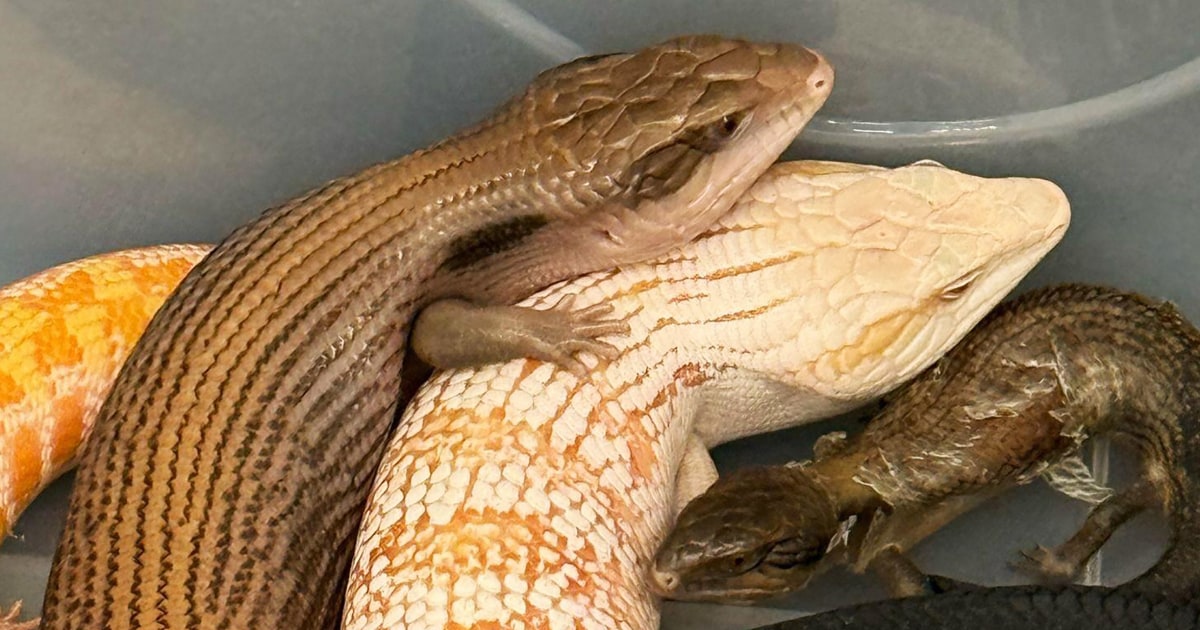
Hong Kong Airport Seizes 42 Endangered Lizards: A Significant Wildlife Trafficking Case
In a remarkable event that underscores the persistent issue of wildlife trafficking, authorities at Hong Kong International Airport have successfully intercepted 42 endangered lizards concealed within luggage. This operation not only highlights the ongoing battle against illegal wildlife trade but also emphasizes the critical implications for biodiversity and conservation efforts worldwide. The incident serves as a stark reminder of the urgent need for enhanced vigilance and stringent enforcement against those who exploit vulnerable species for profit.
The Discovery: A Closer Look at the Operation
On a routine inspection, customs officials at Hong Kong International Airport stumbled upon a suspicious luggage item. Upon further examination, they discovered the 42 endangered lizards, which were found tightly packed into small containers. The lizards belonged to species that are protected under both local and international laws aimed at preserving endangered wildlife.
- Species Identification: The lizards seized were primarily from the family Scincidae, commonly known as skinks, which are known to thrive in tropical climates.
- Concealment Method: The traffickers had ingeniously hidden the lizards in a manner that made them difficult to detect, showcasing the lengths to which wildlife traffickers will go.
- Legal Implications: The incident has triggered a legal investigation, and the individuals involved in this trafficking attempt may face severe penalties.
This seizure is just one instance in a larger pattern of illegal wildlife trade that poses significant threats to global biodiversity. With many species on the brink of extinction, actions like this are crucial in combating the nefarious practices of wildlife traffickers.
The Broader Context of Wildlife Trafficking
Wildlife trafficking is a multi-billion-dollar global enterprise that endangers countless species across the planet. The illegal trade involves the smuggling of animals and plants, ranging from exotic birds to rare orchids. According to the World Wildlife Fund (WWF), wildlife crime is one of the most serious threats to biodiversity, contributing to the decline of various species and disrupting ecosystems.
In recent years, the plight of reptiles, including lizards, has become particularly concerning. Many species are hunted for the pet trade, traditional medicine, or as symbols of status. The illegal trade not only endangers these species but also affects the delicate balance of their ecosystems.
Implications for Biodiversity
The seizure of 42 endangered lizards at Hong Kong Airport serves as a glaring example of the threats faced by wildlife. Each species plays a unique role in its ecosystem, and the loss of even a few individuals can have cascading effects.
- Ecological Balance: Lizards contribute to controlling insect populations and dispersing seeds, which are vital for maintaining healthy ecosystems.
- Genetic Diversity: The illegal trade can lead to a loss of genetic diversity, making species more vulnerable to diseases and environmental changes.
- Economic Impact: Biodiversity loss can also have economic repercussions, particularly for communities that rely on ecotourism and sustainable practices.
Conservation efforts must focus on protecting these species not only through strict enforcement of laws but also by addressing the root causes of wildlife trafficking.
Combating Wildlife Trafficking: Strategies and Challenges
Efforts to combat wildlife trafficking have intensified in recent years, with various governments and organizations implementing strategies aimed at prevention and enforcement. Here are some effective approaches:
- International Collaboration: Countries are increasingly working together to share intelligence and resources to dismantle trafficking networks.
- Public Awareness Campaigns: Educating the public about the consequences of wildlife trafficking can reduce demand for illegal wildlife products.
- Stricter Penalties: Implementing harsher penalties for traffickers may deter potential offenders.
- Community Involvement: Engaging local communities in conservation efforts can foster a sense of ownership and responsibility towards protecting wildlife.
Despite these efforts, challenges remain. Corruption, insufficient resources for enforcement, and the high demand for exotic pets continue to fuel the illegal wildlife trade. Therefore, a multi-faceted approach is essential in addressing these challenges effectively.
The Role of Technology in Wildlife Protection
Innovations in technology are playing a crucial role in the fight against wildlife trafficking. Tools such as DNA analysis, satellite tracking, and artificial intelligence are being employed to monitor and protect endangered species.
For example, DNA barcoding can help identify species in contraband shipments, while satellite tracking can monitor the movements of endangered animals in their natural habitats. These technologies not only aid in enforcement but also enhance conservation strategies by providing valuable data on species populations and behaviors.
Conclusion: A Call to Action
The seizure of 42 endangered lizards at Hong Kong Airport is a significant milestone in the ongoing struggle against wildlife trafficking. It serves as a reminder of the critical importance of biodiversity and the urgent need for collective action to protect vulnerable species. As individuals, communities, and nations, we must stand united against wildlife crime and advocate for stronger protections for endangered species.
By raising awareness, supporting conservation initiatives, and encouraging responsible practices, we can contribute to a future where wildlife thrives in its natural habitat, free from the threat of illegal trade. The battle against wildlife trafficking is far from over, but with concerted efforts, there is hope for a brighter future for our planet’s precious biodiversity.
See more ABC News Feed