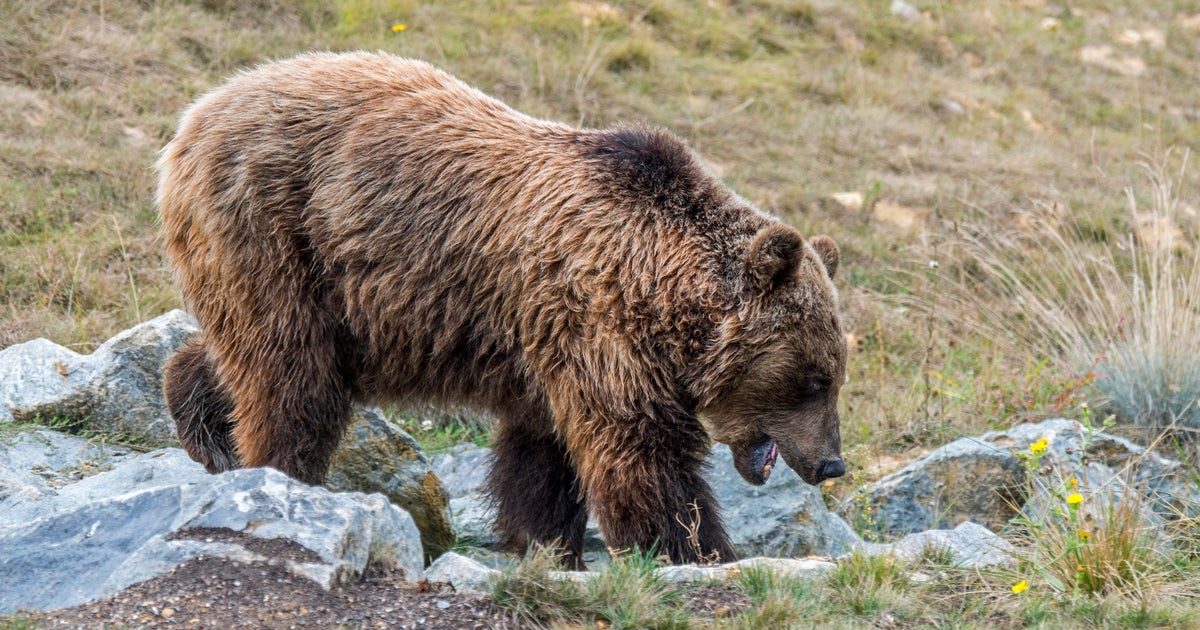
Controversial Trial: Hunter Defends Killing Endangered Bear as Self-Defense
In a high-profile case that has captured national and international attention, a hunter in France stands accused of killing an endangered mother bear, claiming it was an act of self-defense. This controversial trial raises critical questions about wildlife protection, hunting rights, and the complexities of human-wildlife interactions. As the trial unfolds, it not only highlights the legal ramifications of such actions but also delves deep into the ethical considerations surrounding hunting practices and animal conservation.
The Incident: A Look at What Happened
The incident occurred in the heart of the Pyrenees, a region known for its stunning natural beauty and biodiversity. According to the hunter’s account, he was walking through a forested area when he encountered the bear and her cubs. He claims that the bear charged at him, prompting him to shoot in self-defense. This claim, however, has been met with skepticism from wildlife advocates and conservationists, who argue that the act of shooting an endangered species is unjustifiable under any circumstances.
- Location: Pyrenees Mountains, France
- Species Involved: Endangered bear (specifically, the Pyrenean brown bear)
- Claim: Self-defense against a charging bear
The Legal Framework Surrounding Wildlife Protection
France has stringent laws in place to protect endangered species, particularly those that are native to its ecosystems. The Pyrenean brown bear, which has been the subject of various conservation efforts, is listed as a protected species under both national and European law. Killing such an animal can lead to severe penalties, including hefty fines and imprisonment.
In this case, the prosecution is expected to argue that the hunter did not exhaust all possible means of avoiding the encounter and that shooting the bear was both unnecessary and illegal. This brings to light the intricate balance between human safety and wildlife conservation, a topic that continues to spark debate among various stakeholders.
Perspectives on Hunting and Wildlife Conservation
The controversy surrounding this trial is emblematic of the broader conflict between conservation efforts and hunting rights. Supporters of hunting often argue that regulated hunting can play a role in wildlife management, helping to maintain healthy populations and ecosystems. They contend that hunters contribute to conservation efforts through funding and advocacy.
Conversely, opponents of hunting emphasize the moral and ecological implications of killing endangered species. They point to the critical role that apex predators like bears play in their ecosystems, suggesting that their removal can lead to imbalances and negative consequences for other species. The debate is further complicated by differing cultural perspectives on hunting, particularly in regions where hunting is seen as a tradition versus those that advocate for stricter wildlife protections.
Public Reaction and Media Coverage
The trial has garnered significant media attention, with various news outlets covering the story and providing platforms for differing viewpoints. Public reaction has been mixed; some express sympathy for the hunter, arguing that self-defense should be a legitimate defense, while others are outraged at the thought of an endangered animal being killed.
Social media has also played a pivotal role in shaping public opinion. Campaigns advocating for wildlife protection have gained traction, with many calling for stricter penalties for those who harm endangered species. This case exemplifies how public sentiment can influence legal proceedings and wildlife policy.
The Role of Conservation Organizations
Conservation organizations have been vocal in the wake of this incident, emphasizing the importance of protecting endangered species and their habitats. They argue that education and awareness are crucial in preventing human-wildlife conflicts. Many organizations advocate for measures such as:
- Community Engagement: Involving local communities in conservation efforts to foster coexistence between humans and wildlife.
- Education Programs: Providing information about safe practices in areas where wildlife encounters are common.
- Policy Advocacy: Lobbying for stronger laws and protections for endangered species.
Potential Outcomes of the Trial
The outcome of this trial could set a significant precedent for future cases involving wildlife protection and self-defense claims. If the court finds the hunter guilty, it may reinforce the legal protections surrounding endangered species, sending a message that such actions will not be tolerated. Conversely, a ruling in favor of the hunter could lead to calls for changes in wildlife protection laws and the recognition of self-defense in cases involving wildlife encounters.
Conclusion: A Call for Balance
This controversial trial serves as a critical reminder of the delicate balance between human activity and wildlife conservation. As we navigate the complexities of living alongside wildlife, it is essential to foster environments where both humans and animals can coexist. Education, community involvement, and responsible policy-making are key components in achieving this goal.
As the trial progresses, it will be crucial for all stakeholders—hunters, conservationists, policymakers, and the public—to engage in meaningful dialogue about wildlife protection and the rights of individuals. The outcome of this case could very well shape the future of wildlife conservation efforts in France and beyond, highlighting the need for a nuanced understanding of both human and animal rights in our ever-evolving ecosystems.
See more ABC News Feed