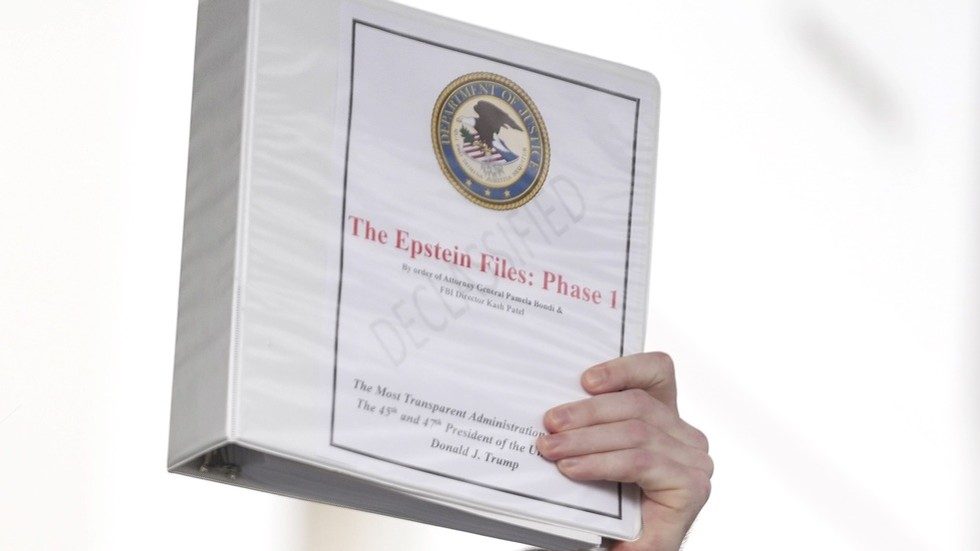
Unveiling the Epstein Files: What the DOJ’s Phase 1 Reveals
The recent release of Phase 1 of “The Epstein Files” by the Department of Justice (DOJ) has sent shockwaves through the public and legal communities. This initial phase provides critical insights into the infamous Jeffrey Epstein case, a saga that has captivated and horrified many. As details emerge, they raise pressing questions about accountability, justice, and the intricate web of power dynamics that often shield the elite from scrutiny.
Understanding the Context of the Epstein Case
Jeffrey Epstein, a financier and convicted sex offender, was arrested in July 2019 on federal charges of sex trafficking minors in Florida and New York. The case quickly became a focal point for discussions about sexual exploitation, the abuse of power, and the failures of the justice system to protect vulnerable individuals. Epstein’s connections to high-profile figures have added layers of complexity to the case, making it not only a legal issue but also a societal one.
His untimely death in August 2019, ruled a suicide while in federal custody, left many questions unanswered and fueled conspiracy theories surrounding the case. The DOJ’s release of the Epstein Files is a significant step towards transparency, aiming to address some of the lingering doubts and suspicions regarding the handling of the case.
Key Revelations from the Epstein Files
Phase 1 of the Epstein Files presents a collection of documents, testimonies, and evidence that outline the breadth of Epstein’s criminal activities and the systemic failures that allowed him to operate with impunity for so long. Here are some critical revelations:
- Victim Testimonies: The files contain statements from numerous victims who bravely came forward to share their experiences. These accounts highlight the manipulation and coercion they faced at the hands of Epstein and his associates.
- Involvement of High-Profile Figures: The documents hint at the involvement of influential individuals in Epstein’s network, raising questions about their complicity and the extent of their knowledge regarding his crimes.
- Law Enforcement Oversight: The files reveal significant lapses in law enforcement and judicial responses to Epstein’s activities. For instance, the 2008 plea deal he received has been widely criticized as a gross miscarriage of justice.
- Financial Transactions: Evidence of suspicious financial transactions linked to Epstein’s accounts suggests a broader network of trafficking and exploitation.
The Implications for Justice and Accountability
The release of the Epstein Files is not just about chronicling Epstein’s crimes; it’s about examining the broader implications for justice and accountability in high-profile cases. The revelations have sparked renewed discussions about the following:
- Systemic Failures: The documents shed light on systemic failures within law enforcement and the judicial system that allowed Epstein to evade justice for so long. This raises questions about how similar cases are handled and whether changes are needed to prevent future abuses.
- Public Trust in the Justice System: The handling of the Epstein case has eroded public trust in the justice system. Transparency is crucial in restoring faith among citizens that justice can be served, especially for the most vulnerable.
- Victim Advocacy: The revelations underscore the importance of victim advocacy and support. Many victims of sexual abuse face immense challenges in coming forward, and the justice system must prioritize their needs and rights.
- Future Legal Actions: The release of these files may open the door for new legal actions against those complicit in Epstein’s crimes, including potential civil suits from victims seeking justice.
The Role of Media and Public Perception
The Epstein case has been extensively covered by the media, which has played a critical role in keeping the story alive and ensuring public awareness. However, media narratives can shape public perception in significant ways. The release of the Epstein Files must be approached with a discerning eye, as sensationalism can sometimes overshadow the complexities of the case.
It’s essential to balance factual reporting with sensitivity to the experiences of victims. As the DOJ releases more phases of the Epstein Files, media outlets must strive to provide comprehensive coverage that respects the dignity of those affected while informing the public about the ongoing quest for justice.
Looking Ahead: What Comes Next?
As we delve deeper into the Epstein Files, it’s imperative to consider what lies ahead. The DOJ has indicated that additional phases will follow, promising to unveil more details that could reshape our understanding of the case. Here are some potential developments to watch for:
- Further Investigations: Ongoing investigations may reveal additional perpetrators or accomplices, leading to more arrests and legal actions.
- Legislative Changes: Lawmakers may be compelled to introduce new legislation aimed at strengthening protections for victims of sexual abuse and trafficking.
- Increased Advocacy: The heightened visibility of the Epstein case could lead to increased advocacy efforts for victims, pushing for systemic changes in how such cases are handled.
Conclusion: A Path Toward Justice
The unveiling of the Epstein Files marks a significant moment in the ongoing struggle for justice for the victims of Jeffrey Epstein and others like him. While this initial phase raises numerous questions, it also provides a glimmer of hope for accountability and change. The path ahead will undoubtedly be challenging, but with continued public interest and advocacy, there is potential for real progress.
As we reflect on these revelations, let us remain committed to supporting victims, demanding accountability, and fostering a justice system that truly serves all individuals, regardless of their status or connections. The Epstein case is a stark reminder of the importance of vigilance and the need for a collective effort to address the injustices that persist in our society.
See more ABC News Feed