A Historic Return: The First US Execution by Firing Squad in 15 Years
The recent execution by firing squad of a prisoner in the United States has reignited the national conversation surrounding capital punishment. This marks the first time in 15 years that this method has been employed, stirring a mixture of reactions across the country. With debates intensifying around the ethics, efficacy, and future of execution methods, the revival of the firing squad raises critical questions about the direction of the U.S. justice system.
The Context of the Firing Squad’s Return
Historically, the firing squad has been used as a method of execution in the United States, particularly in the 19th and early 20th centuries. However, it fell out of favor as lethal injection became the predominant method of capital punishment. Concerns over botched executions and the ethical implications of lethal injections have led some states to reconsider alternative methods, leading to the recent execution that marks this significant return.
What Led to the Decision?
Several factors contributed to the decision to resume executions by firing squad:
- Issues with Lethal Injection: Several high-profile cases of botched lethal injections have raised serious ethical concerns and legal challenges, prompting states to look for alternatives.
- Legislative Changes: Some states have enacted laws specifically allowing for the use of firing squads as a viable method of execution, reflecting a willingness to embrace historical practices.
- Public Sentiment: A segment of the population believes that certain methods may be more humane or effective, with firing squads presenting a straightforward approach.
The Execution Process
The execution by firing squad involves a group of marksmen, typically consisting of law enforcement officers, who are tasked with shooting the condemned individual. Here’s how the process generally unfolds:
- The prisoner is secured to a chair or post, often blindfolded.
- A target is placed over the heart to guide the shooters.
- A countdown is given, after which the marksmen fire simultaneously.
This method is argued by some to be quicker and less painful than lethal injection, which can be fraught with complications. However, others argue that the psychological and ethical implications of firing squads are just as troubling as other forms of execution.
Ethical and Legal Considerations
The revival of the firing squad also brings with it a host of ethical and legal dilemmas:
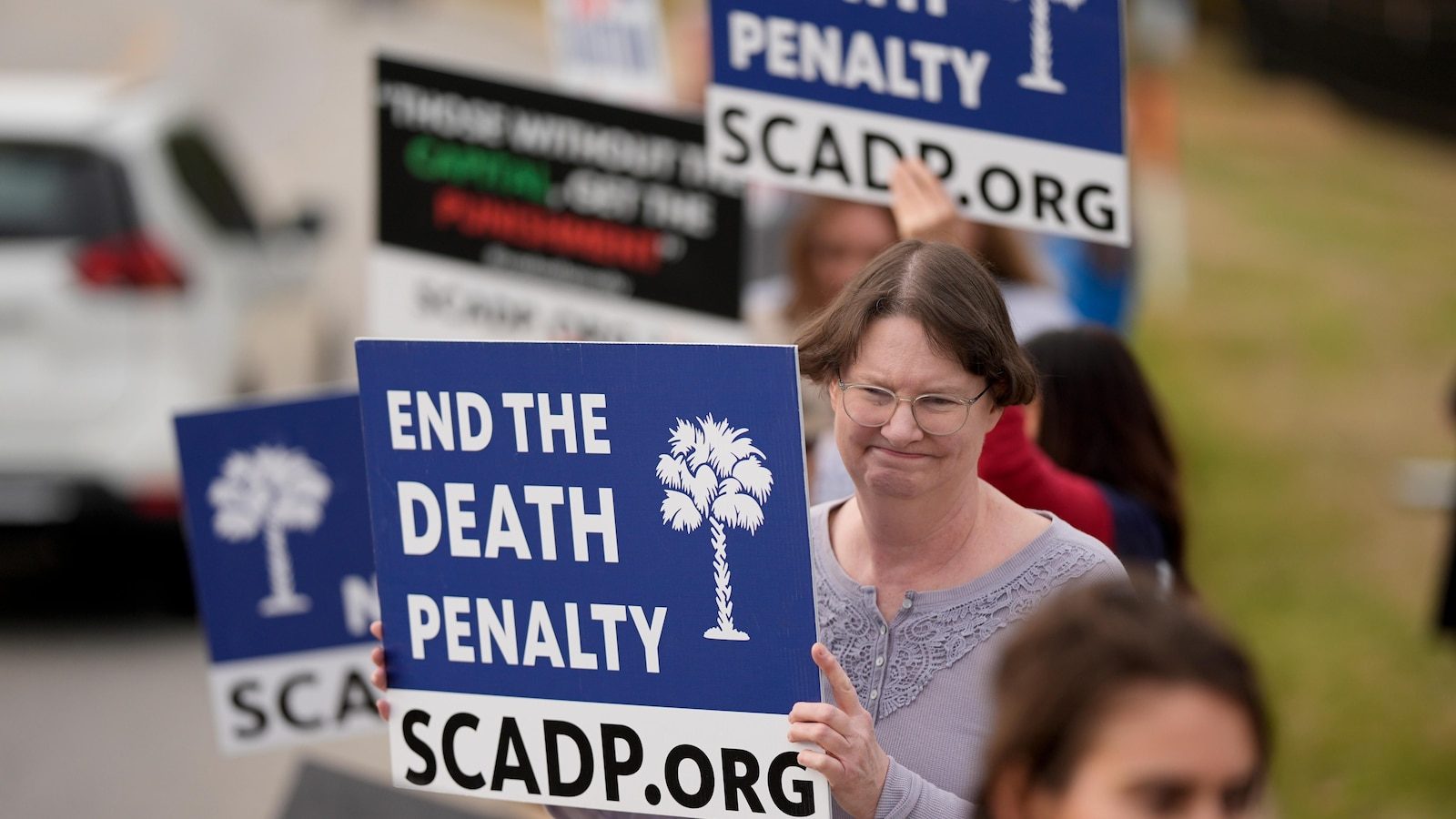
- Human Rights Concerns: Opponents of the death penalty argue that any method of execution violates fundamental human rights. The firing squad, like other methods, raises questions about cruelty and inhumanity.
- Legal Challenges: The reintroduction of the firing squad is likely to face legal scrutiny, as death penalty opponents may challenge its constitutionality in court.
- Public Opinion: The method of execution often reflects societal values. The return of the firing squad could signify a shift in public opinion regarding the death penalty.
Implications for the Future of Capital Punishment
The return of the firing squad may signal a broader shift in how the U.S. approaches capital punishment. Some potential implications include:
- Increased Debate: The use of firing squads will likely reignite debates about the morality and efficacy of the death penalty as a whole.
- State-Level Variations: Different states may adopt varying policies regarding execution methods, leading to a patchwork of practices across the nation.
- Potential for Abolition: As discussions evolve, some states may move towards abolishing the death penalty altogether, especially if public sentiment shifts against execution methods.
Historical Perspectives
The firing squad has a storied history in the U.S. and globally. It has been used in various contexts, from military executions to civilian cases. Notably, the method has been embraced in certain states like Utah, where it is seen as an alternative in cases where lethal injection drugs are unavailable. The historical precedents set a context for the current discussions surrounding its ethical implications and practical applications.
Conclusion: A Moment of Reflection
The execution by firing squad is more than just a legal event; it embodies a complex interplay of ethics, law, and societal values. As the United States grapples with its approach to capital punishment, the revival of this method invites reflection on the future of justice in the nation. The recent event raises essential questions: How should society balance the scales of justice with ethical considerations? What does the return of the firing squad say about our collective values? As these discussions continue, it’s crucial for all stakeholders to engage thoughtfully and compassionately in the conversation.
In conclusion, the firing squad’s historic return serves as a pivotal moment, challenging us to examine not just the methods we choose in administering justice, but the very principles that underpin our legal system. The future of capital punishment in America may depend on how society navigates these complex issues.
See more ABC News Feed


