Explosive Heist: The Daring Robbery of Priceless Romanian Treasures
The world of art and cultural heritage has always been a target for thieves, and the recent explosive heist at a Dutch museum serves as a stark reminder of the lengths criminals will go to acquire priceless artifacts. In a brazen act, thieves utilized explosives to breach the security of the museum and made off with invaluable Romanian treasures. This audacious crime not only raises questions about the effectiveness of security measures in place but also highlights the broader implications for the protection of cultural heritage around the globe.
The Setting: A Dutch Museum Rich in Romanian Artifacts
Located in the heart of the Netherlands, the museum in question has long been celebrated for its extensive collection of Romanian artifacts, including ancient pottery, exquisite jewelry, and historical manuscripts. The treasures housed here represent centuries of Romanian culture and history, making them not just valuable in monetary terms but also irreplaceable in terms of cultural significance.
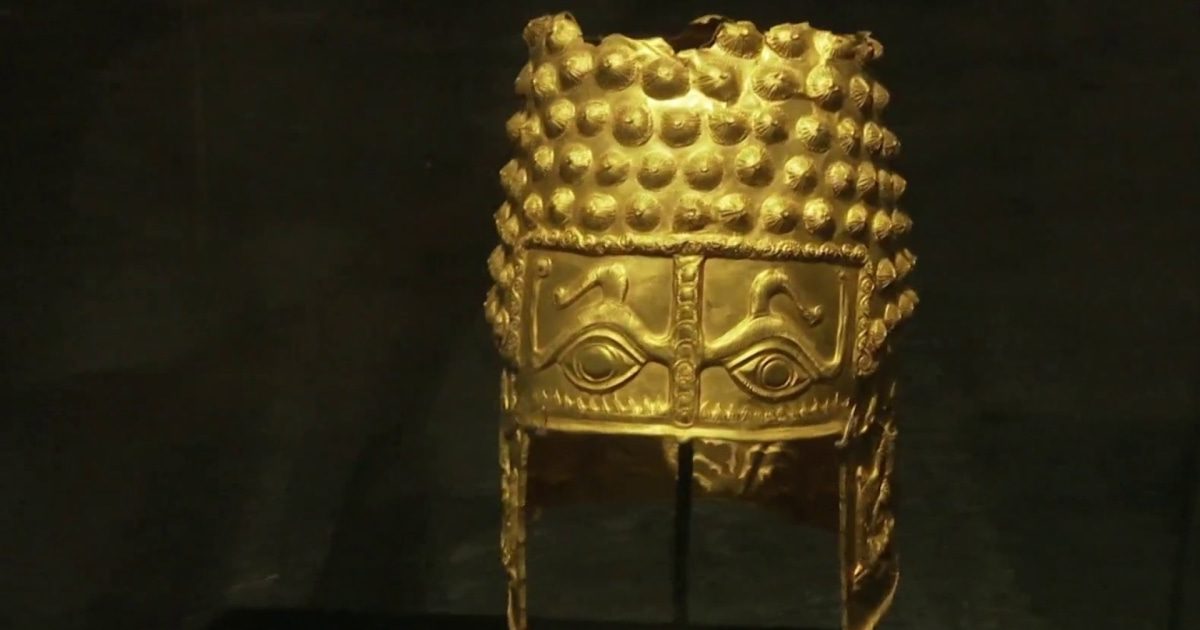
Among the stolen items were artifacts dating back to the Dacian era, a time when the region now known as Romania was inhabited by the Dacians, an ancient people known for their rich cultural traditions. These items were not merely decorative; they told the story of a civilization that thrived in the face of adversity and contributed significantly to European history.
The Execution: How the Heist Unfolded
On the fateful night of the heist, a well-coordinated team of thieves struck the museum shortly after closing hours. Utilizing sophisticated tools, they managed to bypass the initial layers of security. However, it was their use of explosives that marked this event as particularly shocking. Reports indicate that the thieves detonated explosives near the museum’s entrance, creating a distraction that allowed them to enter the building and access the secured vaults.
The operation appeared meticulously planned. Witnesses reported hearing a loud explosion that shattered the calm of the night, followed by the sounds of hurried footsteps. Within minutes, the thieves had made their way to the exhibit housing the Romanian treasures, quickly loading their loot into bags before making their escape.
Security Breaches: A Wake-Up Call for Museums
This explosive heist raises significant concerns regarding museum security protocols. In an age where technology is advancing rapidly, one would expect institutions housing such culturally important artifacts to have robust security measures in place. However, the theft has exposed glaring vulnerabilities that must be addressed.
- Physical Security: The use of explosives to gain entry suggests that physical barriers were not sufficient. Museums must reassess their physical security measures, including reinforcements to doors and windows, and implementing stronger vault systems.
- Surveillance Systems: Advanced surveillance technology can deter criminals and assist in apprehending them post-crime. Museums need to invest in high-quality cameras with night vision and motion detection capabilities.
- Emergency Response Plans: The speed at which the thieves executed their plan indicates a lack of immediate response protocols. Museums should develop comprehensive emergency plans that include collaboration with local law enforcement and rapid response teams.
The Cultural Impact of the Heist
Beyond the immediate financial loss, the theft of Romanian treasures from a Dutch museum carries profound implications for cultural heritage. Artifacts serve as tangible connections to our past, and their loss is felt not only by the institutions that house them but also by the communities and nations they represent.
Romania, in particular, has a rich cultural heritage that is often overshadowed by its modern struggles. The stolen artifacts are symbols of national pride and identity. Their absence from the museum not only robs the public of the opportunity to engage with their cultural history but also diminishes the global narrative of art and heritage.
International Response and Recovery Efforts
In the aftermath of the heist, international art and cultural institutions have rallied to address the issue of art theft. The theft has prompted discussions on the need for stronger international cooperation in the recovery of stolen artifacts. Several organizations, including INTERPOL and UNESCO, have emphasized the importance of sharing information and resources to combat art crime.
Additionally, a task force has been established to track the stolen items, leveraging technology and global networks to bring the thieves to justice. Art recovery experts stress the importance of documenting and publicizing stolen artifacts to increase the chances of their recovery.
The Future of Museum Security
The explosive heist serves as a critical turning point for museums worldwide. As cultural institutions reassess their security measures, there is an opportunity for innovation. The integration of technology, such as artificial intelligence and blockchain, could revolutionize how museums protect and manage their collections.
- AI-Powered Security: Artificial intelligence can help monitor surveillance feeds in real-time, identifying suspicious behavior and alerting authorities instantly.
- Blockchain for Provenance Tracking: Blockchain technology can provide a secure and transparent method for tracking the provenance of artifacts, making it more challenging for stolen items to be sold on the black market.
- Community Engagement: Museums can foster community involvement in security efforts, encouraging the public to report suspicious activities and participate in the preservation of cultural heritage.
Conclusion: A Call to Action for Cultural Heritage Protection
The daring robbery at the Dutch museum, marked by its use of explosives, underscores the urgent need for enhanced security measures to protect cultural heritage. As we mourn the loss of invaluable Romanian treasures, it is crucial for museums, governments, and communities to unite in their efforts to safeguard our shared history. The response to this incident can set a precedent for how we value and protect our cultural assets, ensuring that future generations can appreciate the richness of our past.
In the end, this explosive heist serves as a stark reminder that while art can be stolen, the stories and significance behind each piece endure. It is up to all of us to advocate for the protection and preservation of cultural treasures, standing as guardians of our heritage in an increasingly turbulent world.
See more ABC News Feed


