Investigating the Mystery: FAA Probes False Alerts Near Reagan Airport
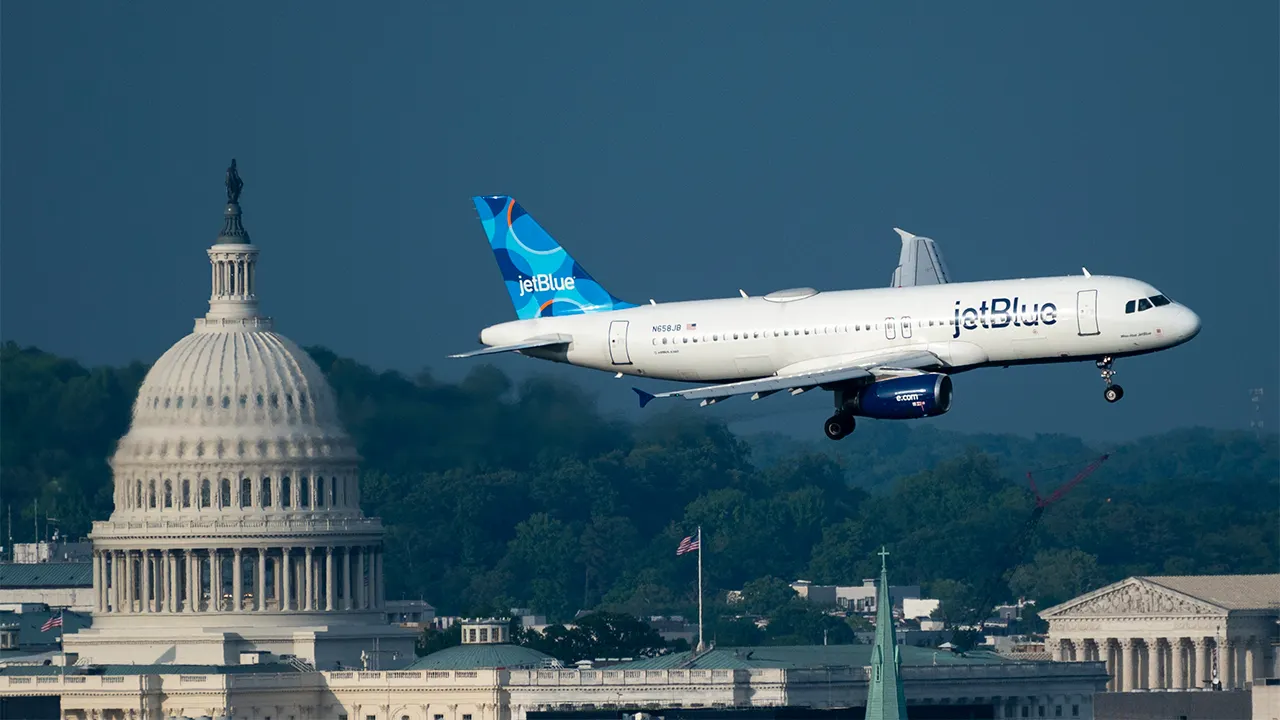
The Federal Aviation Administration (FAA) has recently launched an investigation into a perplexing series of false alerts that have raised significant concerns regarding aviation safety near Ronald Reagan Washington National Airport (DCA). These alerts, identified by pilots as warnings of nearby aircraft, have prompted questions about the reliability of air traffic systems and the implications for those navigating one of the nation’s busiest airspaces.
The Nature of the Alerts
In recent weeks, pilots approaching Reagan Airport reported receiving erroneous alerts indicating the presence of other aircraft in their vicinity. These notifications, which are crucial for maintaining safe distances between flying vehicles, appear to have been triggered without any actual aircraft present. Such false alerts pose serious risks as they can lead to confusion, unnecessary evasive maneuvers, and distress among flight crews.
The FAA’s investigation aims to determine the root cause of these alerts. Preliminary analyses suggest that they may stem from issues with the airport’s radar systems or glitches within the automated alert systems that support air traffic control. Understanding these technical malfunctions is vital for ensuring the safety of air travel in this heavily trafficked area.
Implications for Aviation Safety
The integrity of air traffic systems is paramount to aviation safety. False alerts can lead to several adverse outcomes, including:
- Increased Pilot Workload: Pilots must assess alerts critically, which can distract them from other essential flight tasks.
- Potential for Collisions: Misleading alerts can prompt unnecessary evasive actions, increasing the risk of in-flight accidents.
- Loss of Trust: Repeated false alarms may lead pilots and air traffic controllers to become desensitized to alerts, potentially leading to complacency.
The FAA, recognizing the gravity of these issues, is working diligently to restore confidence in the systems that protect both pilots and passengers. The agency has emphasized that safety remains its top priority and that it will take all necessary measures to rectify the situation.
Technical Aspects of Alert Systems
To appreciate the complexity of the issue at hand, it’s essential to understand the technology behind air traffic management. Modern alert systems rely on a combination of radar, satellite tracking, and automated systems to monitor air traffic. These systems are designed to provide real-time data to pilots and air traffic controllers, enabling them to make informed decisions.
However, technological systems are not infallible. Instances of software bugs, hardware failures, or environmental factors can result in inaccurate readings. The FAA’s investigation will likely explore various technical components, including:
- Radar Systems: These systems detect aircraft by bouncing signals off them. Any malfunction can misinterpret or fail to recognize an aircraft’s position.
- Automatic Dependent Surveillance–Broadcast (ADS-B): This system relies on data broadcast from aircraft to provide positional information. Interference or technical glitches could lead to incorrect alerts.
- Air Traffic Control Software: The software used by controllers to track and manage aircraft might have bugs or outdated algorithms that contribute to the issue.
Each of these components plays a critical role in ensuring the accuracy of the alerts and overall safety of the airspace around Reagan Airport.
Potential Solutions and Future Preventative Measures
Addressing the situation will require a multi-faceted approach. The FAA is expected to implement several strategies to mitigate the risks associated with false alerts:
- System Upgrades: Investing in the latest technology and upgrading existing systems can help reduce the likelihood of future errors.
- Regular Maintenance: Establishing a rigorous schedule for routine checks and maintenance of radar and alert systems will help identify potential issues before they escalate.
- Enhanced Training: Pilots and air traffic controllers should receive ongoing training to effectively respond to alerts and manage unexpected situations.
- Public Transparency: Keeping the public informed about the investigation’s findings and any changes made can help restore confidence in air travel.
By addressing these areas, the FAA can enhance the reliability of its systems and ensure that pilots can navigate safely and efficiently in one of the most complex airspaces in the United States.
The Role of Stakeholders in Aviation Safety
Aviation safety is a shared responsibility that involves multiple stakeholders, including government agencies, airlines, airports, and pilots. Each has a critical role in ensuring that air travel remains one of the safest modes of transportation. The FAA’s investigation into false alerts near Reagan Airport highlights the importance of collaboration among these parties to improve systems and protocols.
Moreover, open communication between the FAA and the aviation community is crucial. Pilots must feel empowered to report concerns without fear of repercussions. A culture of safety encourages transparency and proactive measures that can prevent incidents before they occur. The FAA’s commitment to addressing these issues reflects a determination to uphold safety standards and restore trust in the air traffic management system.
Conclusion: A Commitment to Safety
The FAA’s investigation into false alerts near Ronald Reagan Airport underscores the complexities and challenges of maintaining aviation safety in a rapidly advancing technological landscape. As the agency works to uncover the causes of these alerts, it emphasizes the importance of robust systems, effective communication, and ongoing training.
While the current situation raises valid concerns, it also presents an opportunity for improvement and innovation within the aviation sector. By adopting a proactive stance and implementing necessary changes, the FAA can enhance the safety and reliability of air travel, ensuring that passengers and crews can continue to fly with confidence.
As this investigation unfolds, it serves as a reminder of the dedication to safety that underpins the aviation industry and the collective efforts required to maintain that safety in an ever-evolving environment.
See more ABC News Feed