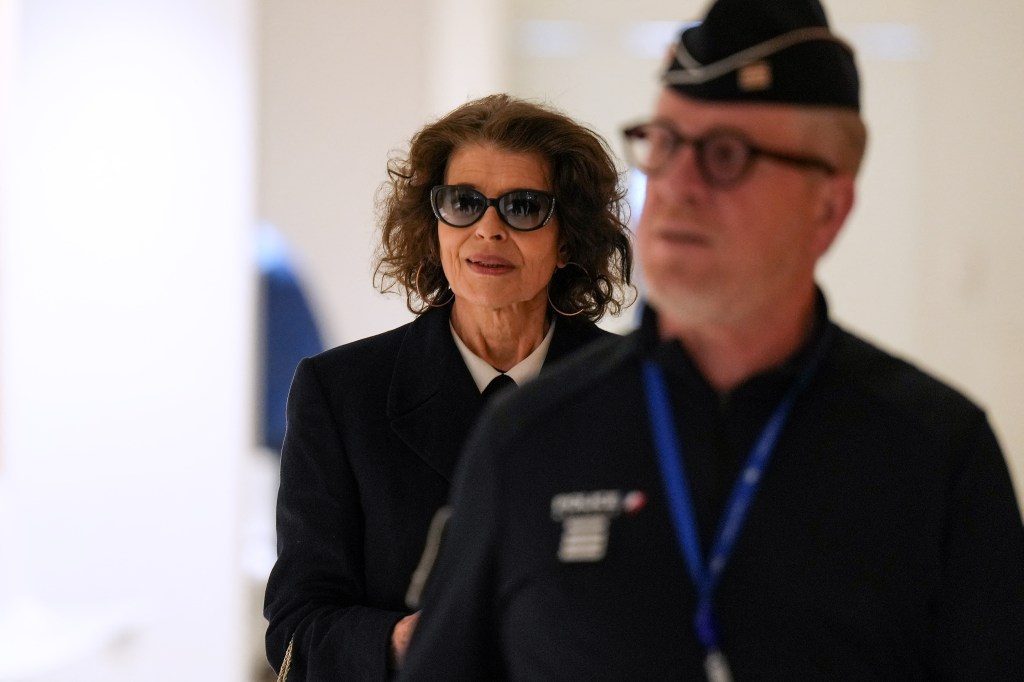
Fanny Ardant Stands by Gérard Depardieu: A Friend’s Defiant Support Amid Controversy
In a world increasingly characterized by swift judgments and public outcry, the complexities of friendship are often tested in the face of controversy. Recently, French actress Fanny Ardant has made headlines by standing firmly by her longtime friend, Gérard Depardieu, during his ongoing sexual assault trial. Her unwavering support sheds light on the intricate dynamics of loyalty, accountability, and the personal convictions that guide relationships in times of turmoil.
The Context of the Controversy
The backdrop to Ardant’s supportive stance is the serious legal situation involving Gérard Depardieu, one of France’s most celebrated actors. Facing allegations of sexual assault, Depardieu’s trial has sparked heated discussions across media platforms and among the public. As the case progresses, the discussions surrounding consent and accountability in the entertainment industry have intensified, with many demanding justice for alleged victims. In this climate, Ardant’s comments resonate deeply, igniting debates on the nature of support amid allegations.
Fanny Ardant’s Perspective on Friendship
In her public statements, Fanny Ardant has articulated a profound belief in the importance of standing by friends during difficult times. She emphasizes that real friendship entails both support and accountability, suggesting that one can believe in a friend’s innocence while simultaneously recognizing the seriousness of the allegations at hand. Ardant has openly shared her conviction that loyalty does not equate to blind allegiance; rather, it embodies a nuanced understanding of the complexities involved.
Ardant stated, “Friendship is about being there for someone, even when the world turns against them. It’s a deep-seated conviction I hold.” This sentiment reflects her understanding that, in the face of adversity, friendships can be both a source of strength and a catalyst for personal reflection. Her comments highlight the essential human qualities of compassion and empathy, which often become overshadowed in public discourse surrounding such allegations.
The Public’s Reaction
The public reaction to Ardant’s support of Depardieu has been decidedly mixed. While some applaud her loyalty and willingness to stand by a friend, others criticize her for seemingly dismissing the gravity of the allegations. This dichotomy illustrates the challenges individuals face when navigating their personal relationships amidst public scrutiny. Supporters argue that Ardant’s stance reflects a profound understanding of the complexities of human relationships, while detractors assert that it may undermine the voices of alleged victims.
- Supportive Voices: Many individuals, particularly in the arts community, have voiced appreciation for Ardant’s loyalty. They argue that her stance serves as a reminder that friendships can endure even the most challenging circumstances, provided they are rooted in genuine understanding.
- Critical Perspectives: Conversely, some critics assert that Ardant’s support could be interpreted as an endorsement of Depardieu’s actions, potentially overshadowing the plight of those who have come forward with allegations against him.
The Importance of Accountability
While Ardant’s support for Depardieu may seem straightforward to her, it brings forth a critical dialogue about accountability in the entertainment industry. Many advocates for change emphasize that support for friends should not come at the expense of acknowledging the serious nature of allegations. This creates a precarious balance for those like Ardant, who find themselves torn between personal loyalty and social responsibility.
In navigating this terrain, it is essential to recognize that accountability can take many forms. Ardant’s approach, which includes a commitment to understanding and supporting her friend while also being aware of the broader implications of his situation, reflects a mature perspective on friendship. This nuanced view encourages others to consider how they can be supportive without compromising their values regarding justice and accountability.
The Role of the Media
The media’s role in shaping public perception of both Ardant and Depardieu cannot be overstated. Coverage of the trial and the ensuing reactions often sensationalizes the complexities of personal relationships, reducing them to soundbites that may not capture the full scope of the situation. This can lead to misconceptions about a person’s character based solely on their associations, which is particularly concerning in high-profile cases like this one.
As media narratives unfold, it is crucial for audiences to approach these stories with a critical mindset. Understanding that relationships are multifaceted and that individuals can hold differing views on loyalty and accountability is vital. Ardant’s situation exemplifies how the media can amplify certain narratives while neglecting the subtleties of human connection.
Broader Implications for Society
Fanny Ardant’s support of Gérard Depardieu also opens up broader conversations about how society perceives allegations of sexual misconduct. The tension between supporting a friend and advocating for victims’ rights is a reflection of ongoing societal debates about justice, gender, and power dynamics. As these discussions continue, the need for empathy and understanding grows more critical.
Advocates for victims stress the importance of creating safe spaces for individuals to come forward with their experiences without fear of retaliation or disbelief. Ardant’s situation underscores the necessity for all individuals, regardless of their personal relationships, to engage in conversations that prioritize victim support while also fostering genuine understanding of friendship and loyalty.
Conclusion: Friendship Amidst Controversy
In conclusion, Fanny Ardant’s steadfast support for Gérard Depardieu amid his sexual assault trial invites a rich dialogue about friendship, accountability, and the complexities of human relationships. Her comments reveal that supporting a friend does not negate the seriousness of allegations; instead, it calls for a deeper exploration of the values that guide our connections with others. As society continues to grapple with issues of justice and accountability, Ardant’s perspective serves as a reminder of the importance of empathy and understanding in navigating the often turbulent waters of personal loyalty and public responsibility.
Ultimately, the discourse surrounding Ardant and Depardieu is not merely about two individuals; it represents a larger narrative about how society views friendship, accountability, and the responsibilities we owe to one another in times of crisis. As the trial unfolds and public opinions evolve, the complexities of these relationships will undoubtedly continue to be scrutinized, reminding us all of the intricate and often challenging nature of human connection.
See more ABC News Feed