Flight Diverts to Texas Amid Security Alarm: An Overview
A recent incident involving a flight diverting to Texas has sparked discussions about the safety and security measures in place for air travel. The routine flight, which was on its way from the United States to Mexico, faced an unexpected turn due to a reported security concern. This alarming situation raises critical questions regarding the protocols airlines and authorities follow to ensure passenger safety. Let’s delve deeper into what transpired during this incident and what it reveals about air travel security today.
What Happened During the Flight Diverting to Texas
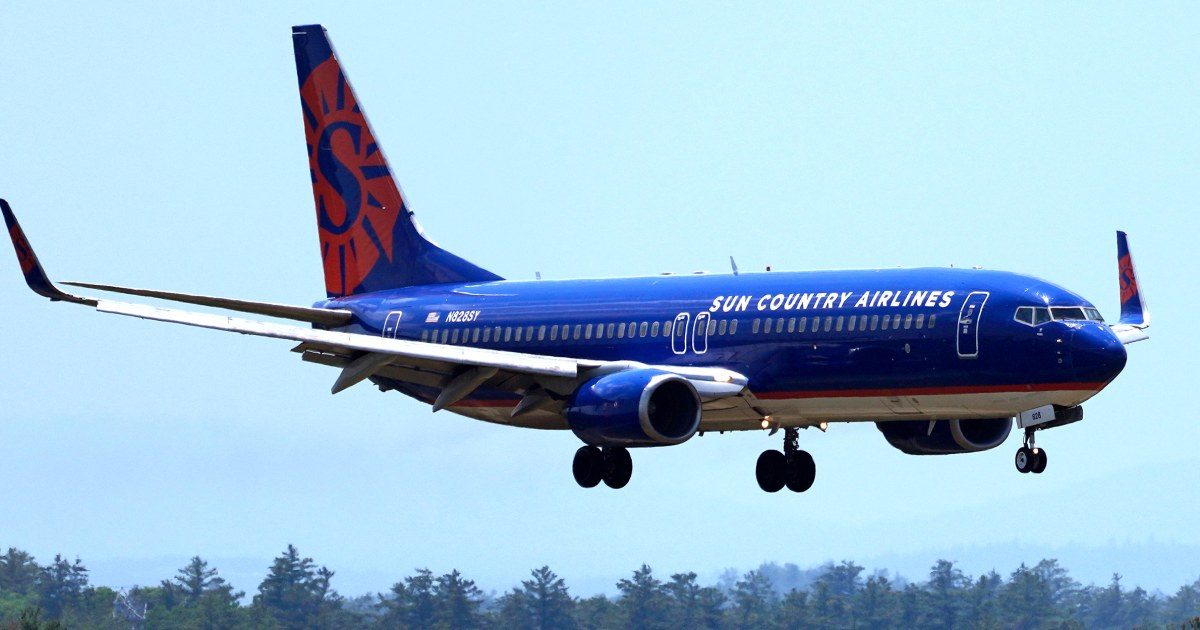
On a seemingly ordinary day, passengers aboard the flight from a U.S. city to Mexico were preparing for a standard journey. However, as the aircraft soared through the skies, a security alarm was triggered that prompted immediate action from the flight crew. The captain, adhering to airline protocol, decided to divert the flight to Texas, landing safely at the nearest airport.
The nature of the security concern has not been fully disclosed, but initial reports indicated that it could involve a potential threat to the aircraft or its passengers. This led to rapid communication between the flight crew and air traffic control, who coordinated the diversion to ensure the safety of everyone on board.
Response from Authorities
Upon landing, local law enforcement and security personnel were on standby, ready to assess the situation. The swift response highlighted the importance of inter-agency cooperation in managing potential threats. Passengers were safely evacuated from the aircraft and subjected to thorough screening procedures. While there was a palpable sense of anxiety among those on board, the professionalism of the crew and the authorities helped to mitigate the situation.
Fortunately, after a detailed investigation, it was confirmed that there was no real threat to the flight or its passengers. This incident, while alarming, serves as a testament to the rigorous security measures in place designed to protect individuals traveling by air.
Understanding Air Travel Security Measures
The diversion of the flight to Texas brings to light the various security protocols that airlines implement to safeguard passengers. Here are some of the key measures:
- Pre-flight Screening: Passengers and their luggage undergo extensive checks before boarding. This includes X-ray machines and metal detectors to identify any prohibited items.
- In-flight Monitoring: Flight attendants are trained to recognize and respond to suspicious behavior among passengers. They maintain constant communication with the cockpit and other crew members.
- Emergency Protocols: Airlines have established procedures to manage potential threats in-flight, including diversions and emergency landings.
- Collaboration with Authorities: Airlines work closely with local and federal law enforcement agencies to ensure rapid response capabilities in case of emergencies.
These measures are vital in maintaining the safety and confidence of travelers. While no system is foolproof, the combination of these protocols helps to significantly reduce risks.
The Role of Passenger Awareness
While airlines and authorities play a crucial role in ensuring safety, passengers also have a part to play. Being aware of one’s surroundings and reporting any suspicious behavior can be instrumental in preventing potential threats. Here are some tips for passengers:
- Stay Alert: Pay attention to your surroundings both in the airport and on the plane.
- Report Concerns: If you notice something unusual, don’t hesitate to inform a crew member or security personnel.
- Stay Informed: Familiarize yourself with emergency procedures and safety protocols for the aircraft you are flying on.
By fostering a culture of awareness and vigilance, passengers can contribute to a safer flying environment for everyone.
Impact of Security Incidents on Air Travel
While the diverting of flights due to security alarms is a rare occurrence, it can have significant implications for air travel. Here are some considerations:
- Increased Security Measures: Incidents like these often lead to heightened security protocols in airports, which can result in longer wait times for passengers.
- Public Perception: Such events can impact how the public perceives air travel safety, potentially leading to decreased passenger numbers.
- Operational Disruptions: Diversions can cause delays and logistical challenges for airlines, affecting flight schedules and connections.
Despite these challenges, it is essential to view such incidents as opportunities for improvement. Airlines and security agencies continuously refine their procedures based on experiences to enhance safety protocols further.
Conclusion: The Silver Lining in Security Alarms
The flight diverting to Texas amid a security alarm serves as a reminder of the complexities and challenges of air travel safety. While the incident may have caused fear and uncertainty, it also showcased the effectiveness of current security measures and the collaboration between airlines and law enforcement.
As air travel continues to evolve, it is crucial for both passengers and airlines to stay vigilant and prepared. By understanding security protocols and remaining aware of our surroundings, we can contribute to a safer travel experience for everyone. Ultimately, incidents like these, though alarming, highlight the commitment of authorities and airlines to prioritize passenger safety above all else.
See more ABC News Feed