The Gaza Crisis: A Humanitarian Catastrophe Unfolding
The situation in Gaza has reached a critical point, with ongoing conflict and violence leading to an alarming humanitarian crisis. Israeli airstrikes have intensified, targeting various locations, including schools that have been repurposed as civilian shelters. The death toll has escalated dramatically, approaching 45,000, raising urgent concerns about civilian safety and the implications of such violence on the region’s stability.
Escalation of Violence: Recent Developments
The conflict between Israel and Hamas has been marked by cycles of violence that have taken a severe toll on the civilian population in Gaza. The recent escalation has seen a significant uptick in airstrikes, which have indiscriminately affected densely populated areas. Many civilians have sought refuge in schools and other public buildings, only to find themselves in the line of fire.
Reports indicate that Israeli forces have targeted not only military installations but also civilian infrastructure, leading to widespread destruction and loss of life. The United Nations and various human rights organizations have condemned these actions, calling for immediate cessation of hostilities to protect innocent civilians.
The Toll on Civilians
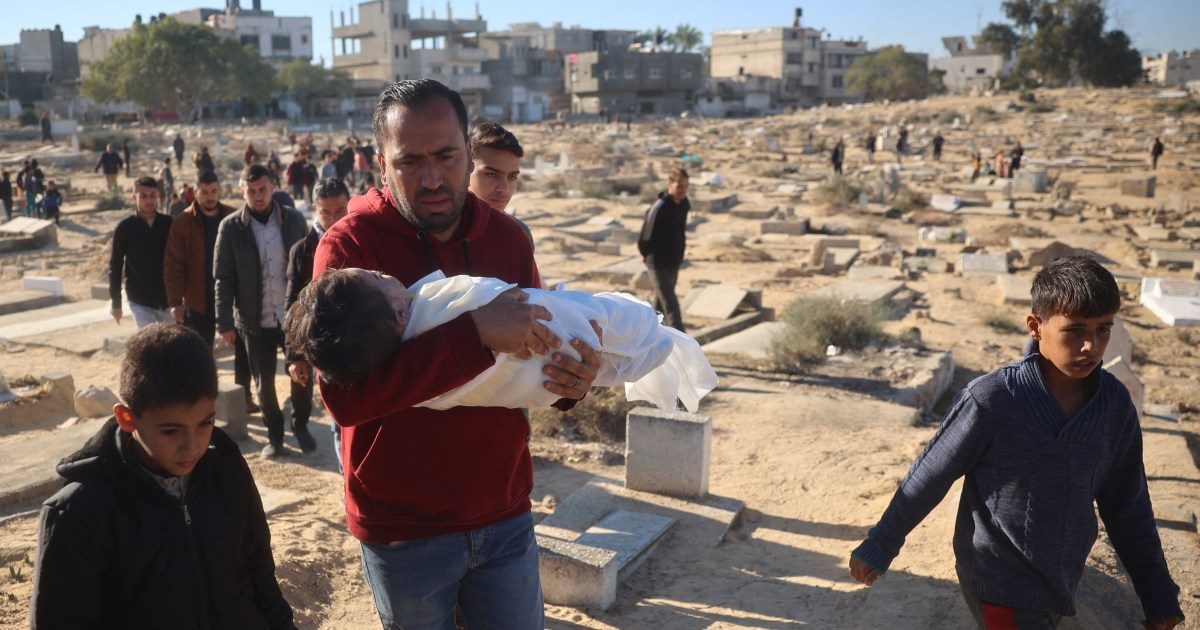
The human cost of this conflict is staggering. The recent death toll nearing 45,000 highlights the urgent need for international intervention and humanitarian aid. Civilians, including women and children, have borne the brunt of this violence, facing not only the threat of airstrikes but also the collapse of basic services such as healthcare, water, and sanitation.
- Healthcare Crisis: Hospitals in Gaza are overwhelmed with casualties, and medical supplies are dwindling. Many healthcare facilities have been damaged, limiting their ability to treat the injured.
- Displacement: With homes destroyed, an estimated 1.6 million people have been displaced, seeking shelter in makeshift camps and overcrowded facilities.
- Psychological Impact: The ongoing violence has left deep psychological scars on the population, particularly children who are witnessing unprecedented levels of trauma.
The International Response
The international community has reacted with a mix of condemnation and calls for ceasefires. Countries around the world have urged both Israel and Hamas to prioritize the safety of civilians and to adhere to international humanitarian law.
Organizations like the United Nations Relief and Works Agency (UNRWA) have been mobilizing resources to provide humanitarian aid, although access remains a significant challenge due to the ongoing hostilities. The situation has drawn attention from global leaders, with many advocating for a diplomatic resolution to the conflict.
Human Rights Concerns
The conflict raises serious human rights concerns, particularly regarding the principle of proportionality in warfare. International law mandates that parties to a conflict distinguish between military targets and civilians. The targeting of schools and hospitals is a violation of these principles, prompting calls for accountability from various human rights groups.
Furthermore, the blockade of Gaza has exacerbated the crisis, limiting the flow of humanitarian aid and essential supplies. Critics argue that the ongoing blockade constitutes collective punishment of the civilian population, further complicating the humanitarian situation.
Broader Implications for the Region
The deepening crisis in Gaza has broader implications for the Middle East as a whole. The escalation of violence could lead to increased instability not only in Israel and Palestine but also in neighboring countries. The potential for conflict to spread is significant, with regional powers closely monitoring the situation.
- Impact on Refugees: The displacement of Palestinians may result in a new wave of refugees seeking asylum in neighboring countries, straining resources and potentially leading to regional tensions.
- Rise of Extremism: Prolonged violence could fuel extremist sentiments, leading to the recruitment of individuals into militant groups, further destabilizing the region.
- Peace Process Challenges: The ongoing violence undermines any prospects for peace negotiations, making it increasingly difficult to find a lasting solution to the Israeli-Palestinian conflict.
Voices from the Ground
Amidst the chaos, the voices of those directly affected by the conflict are often overlooked. Interviews with civilians reveal a desperate plea for peace and a longing for a return to normalcy.
Many residents express feelings of despair and hopelessness, caught in a cycle of violence that seems never-ending. Humanitarian workers on the ground report harrowing stories of survival, resilience, and the unwavering spirit of the people of Gaza, despite the overwhelming odds stacked against them.
Conclusion: A Call for Action
The current crisis in Gaza is not just a regional issue; it is a humanitarian catastrophe that demands the immediate attention of the international community. As the death toll continues to rise and civilian infrastructure is systematically destroyed, the imperative for action grows stronger.
To mitigate the suffering of innocent civilians, it is crucial for global leaders to advocate for a ceasefire, ensure the protection of human rights, and facilitate the delivery of humanitarian aid. Only through a concerted effort can the cycle of violence be broken, paving the way for a sustainable and peaceful resolution to the longstanding Israeli-Palestinian conflict.
The world watches as Gaza faces one of its darkest hours. It is a time for compassion, unity, and action, to safeguard the future of a region beset by conflict and to honor the dignity of those caught in the crossfire.
See more ABC News Feed