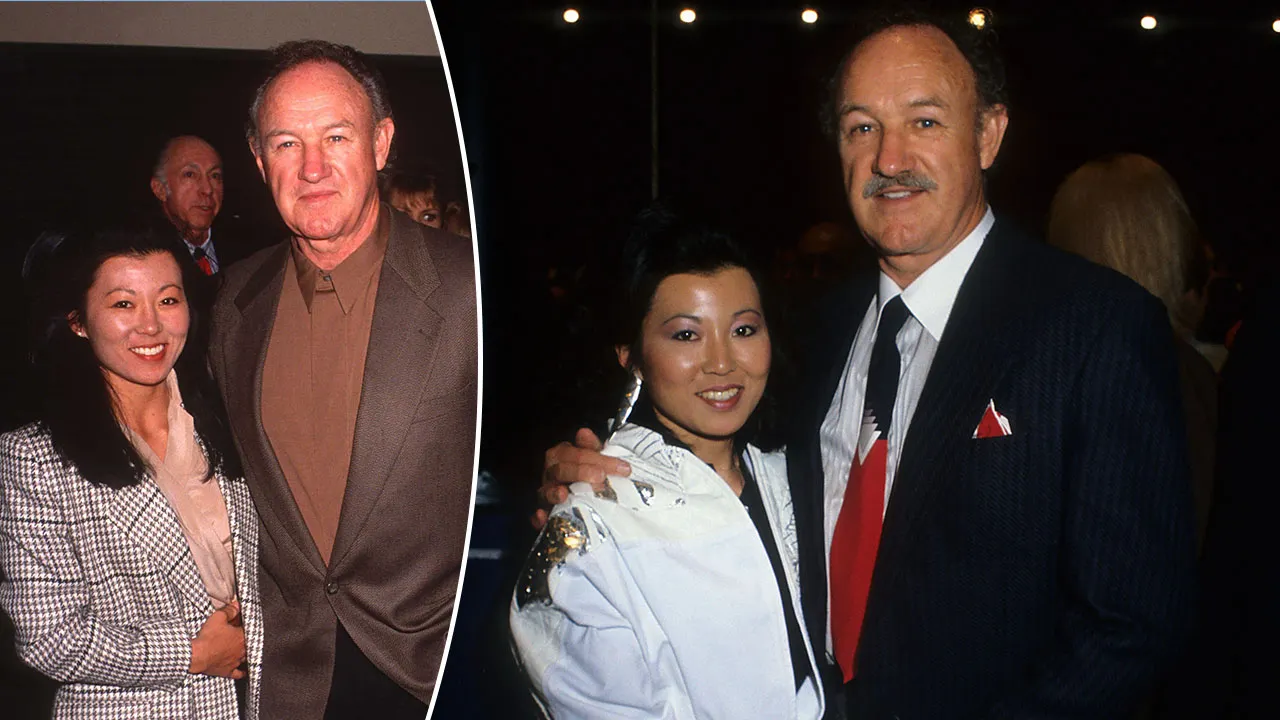
Unraveling the Mystery: Key Questions Surrounding Gene Hackman’s Passing
The recent death of acclaimed actor Gene Hackman has sent shockwaves through the entertainment industry and the hearts of his fans. Known for his powerful performances in classics such as “The French Connection” and “Unforgiven,” Hackman’s passing has left many questions unanswered. As the dust settles, toxicology reports and cellphone records are just the tip of the iceberg in this intriguing case. In this article, we will delve into the key questions surrounding Gene Hackman’s passing, exploring the circumstances, potential implications, and the lasting impact of his legacy.
The Circumstances of Gene Hackman’s Passing
Gene Hackman, born on January 30, 1930, was a titan of American cinema, known for his gritty portrayals of complex characters. His death, reported on [insert date here], came as a surprise to many, as he had largely retreated from public life in recent years. The circumstances surrounding his passing have raised eyebrows and sparked speculation.
Initial reports suggest that Hackman was found at his home in [insert location], where he had been living a quiet life post-retirement. Sources close to the family indicated that he had been in declining health, but details remain sparse. This has led to a flurry of questions:
- What were the exact causes of his death?
- Were there underlying health conditions that contributed?
- How did his lifestyle choices influence his health?
The Role of Toxicology Reports
As investigations continue, toxicology reports are expected to play a crucial role in uncovering the truth behind Gene Hackman’s passing. These reports can reveal the presence of substances in a person’s system at the time of death, providing insight into potential factors that may have contributed to his decline.
Speculation abounds regarding whether prescription medications, recreational drugs, or even alcohol played a role in Hackman’s health. Many fans are left wondering:
- Did Hackman struggle with addiction or dependency issues?
- Were there any medications he was known to take that could have influenced his health?
- How do these findings align with the public persona he maintained throughout his career?
Cellphone Records: A Window into His Final Days
Another key avenue of investigation involves Gene Hackman’s cellphone records. In today’s digital age, our electronic footprints can reveal much about our daily lives and interactions. Examining these records could shed light on his final days, including:
- Who were the last people he communicated with?
- Were there any alarming messages or calls that suggest he was in distress?
- How did his social interactions reflect his mental state leading up to his passing?
These inquiries may provide a clearer picture of Hackman’s life in the months leading up to his death, helping fans and investigators alike understand the context of his passing.
Reflections on His Legacy
While the circumstances surrounding Gene Hackman’s passing are being investigated, it’s essential to take a moment to reflect on his profound impact on cinema. Hackman’s career spanned over six decades, during which he garnered numerous accolades, including two Academy Awards and a Golden Globe. His ability to embody characters with depth and authenticity set a standard for actors in Hollywood.
Hackman’s work not only entertained millions but also influenced a generation of filmmakers and actors. His performances often melded vulnerability with toughness, challenging stereotypes and offering audiences a nuanced view of complex characters. As we unravel the mystery of his passing, it’s crucial to celebrate the legacy he leaves behind.
Public Reaction and Media Coverage
The news of Gene Hackman’s death has prompted an outpouring of grief and tributes from fans, colleagues, and industry insiders. Social media platforms have been flooded with messages highlighting memorable performances and the indelible mark he made on the film industry. Major news outlets have also covered the story extensively, focusing on the mystery surrounding his passing.
However, with the media spotlight comes scrutiny. Some critics argue that sensationalist coverage can overshadow the more human aspects of a celebrity’s life, especially during their passing. This raises questions about how we, as a society, handle the narratives surrounding the deaths of public figures:
- Are we more interested in the drama than the person?
- How can we honor their memory while respecting their privacy?
- What role does the media play in shaping public perception during such sensitive times?
Looking Forward: What’s Next?
As investigations into Gene Hackman’s passing continue, the focus will likely shift toward the findings of the toxicology reports and cellphone records. These elements will provide a clearer understanding of his final days and contribute to the narrative surrounding his legacy. While the questions may linger, the hope is that the answers will bring closure to his family, friends, and fans.
Furthermore, discussions about mental health, addiction, and the pressures faced by public figures can emerge from this tragedy. Hackman’s life serves as a reminder of the complexities that exist behind the glitz and glamour of Hollywood. By addressing these issues openly, we can foster a more compassionate and understanding society.
Conclusion
Gene Hackman’s passing is a profound loss to the world of cinema. As we unravel the mystery surrounding his death, we must remember the man behind the roles, celebrating his contributions while seeking answers to the pressing questions that remain. In doing so, we honor his legacy and ensure that his impact on film and culture is never forgotten.
See more ABC News Feed