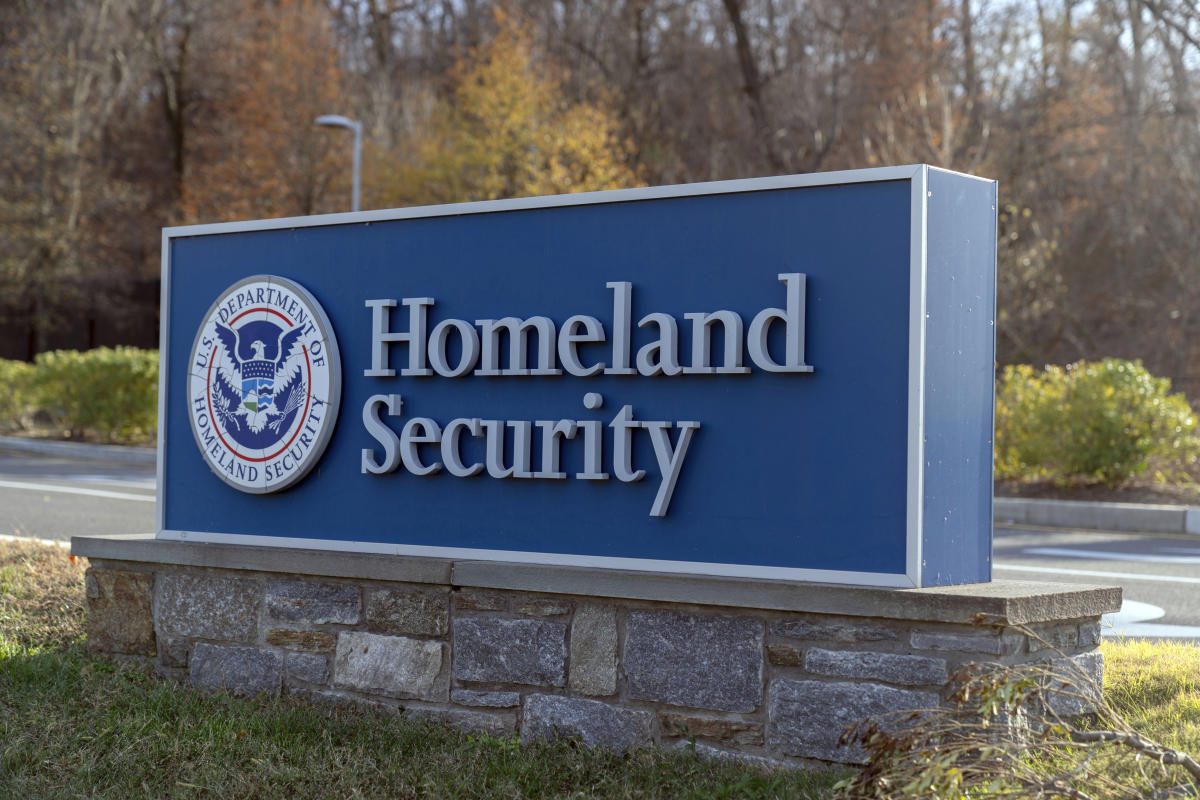
Unmasking Corruption: The Accusations Against a Utah Homeland Security Agent
In a startling turn of events, a second Homeland Security agent in Utah has been charged with drug trafficking, specifically involving the illicit sale of drugs previously seized by law enforcement. These allegations have raised significant concerns about integrity within federal agencies and have cast a shadow over the credibility of law enforcement as a whole. The implications of such actions extend beyond individual misconduct; they challenge the very foundation of public trust in the institutions meant to protect and serve society.
The Allegations: A Deep Dive into the Case
The recent arrest of the Homeland Security agent, whose name has not been publicly disclosed pending further investigation, marks a troubling trend within the agency. Reports indicate that the agent is accused of taking drugs from evidence and then selling them on the streets. This is not an isolated incident; it follows closely on the heels of a previous case involving another agent, suggesting a possible culture of corruption that could be more widespread than initially believed.
According to court documents, the agent allegedly exploited their position to access controlled substances that had been confiscated during various operations. The drugs, once part of crucial evidence meant to support prosecutions against drug traffickers, were instead funneled back into the illegal market, raising serious ethical and legal questions.
The Impact on Public Trust
Such allegations have far-reaching consequences. For many citizens, law enforcement represents the front line of the fight against crime and drug trafficking. When agents who are sworn to uphold the law engage in criminal behavior themselves, it undermines the very principles of justice and accountability. Public trust erodes when those tasked with enforcing the law are found to be violating it.
- Loss of Credibility: Incidents like these can lead to a significant loss of credibility for federal agencies.
- Community Relations: Trust between law enforcement and communities may become strained, making it harder for officers to do their jobs effectively.
- Potential for Increased Crime: If drug trafficking operations go unchecked and are even facilitated by law enforcement, it could lead to increased crime rates.
Understanding the Broader Context of Corruption
Corruption in law enforcement is, unfortunately, not a new phenomenon. Several studies and reports have highlighted how systemic issues, such as inadequate oversight and a lack of accountability, can foster environments where such misconduct occurs. Factors contributing to corruption can include:
- Pressure and Stress: Law enforcement officers often face immense pressure and stressful situations, which can lead to poor decision-making.
- Inadequate Training: A lack of training in ethical decision-making can leave officers ill-prepared to handle the temptations that may arise in high-stakes environments.
- Culture of Silence: A culture that discourages whistleblowing can allow corrupt practices to continue unchecked.
Responses from Homeland Security and Law Enforcement Agencies
In response to the recent allegations, officials from the Department of Homeland Security (DHS) have stated that they take these accusations very seriously. The agency has initiated an internal review and has promised full cooperation with external investigations. This commitment to transparency is crucial for restoring public confidence.
Moreover, law enforcement leaders across the nation are being urged to reassess their training programs and internal oversight mechanisms. Implementing robust systems to monitor behavior and address complaints can help mitigate the risk of corruption.
Community Engagement and Vigilance
As citizens, there are steps we can take to support efforts to combat corruption within law enforcement:
- Stay Informed: Knowledge is power. Educate yourself about your rights and the functioning of law enforcement agencies.
- Engage with Local Leaders: Attend community meetings and voice concerns regarding police conduct and accountability.
- Support Transparency Initiatives: Advocate for policies that promote transparency in law enforcement, such as body cameras and independent oversight boards.
The Path Forward: Restoring Integrity
While the allegations against the Utah Homeland Security agent are troubling, they also serve as a wake-up call for federal agencies to re-evaluate their practices and ensure that integrity remains at the core of their operations. Strengthening oversight, enhancing training, and fostering a culture of accountability can help restore faith in these vital institutions.
Ultimately, the fight against corruption is a collective effort. By coming together as a community and demanding higher standards from our law enforcement agencies, we can help to ensure that those who are entrusted with the responsibility of protecting us are held to the highest ethical standards.
In conclusion, the charges against the Utah Homeland Security agent accused of drug trafficking serve as a stark reminder of the vulnerabilities within our law enforcement systems. It is essential for agencies to act decisively and transparently in the wake of such allegations to rebuild trust and demonstrate their commitment to upholding the law. Only through concerted efforts can we hope to unmask corruption and foster a safer, more just society for all.
See more ABC News Feed


