Hostage Release: A Glimmer of Hope Amid Rising Tensions in Israel
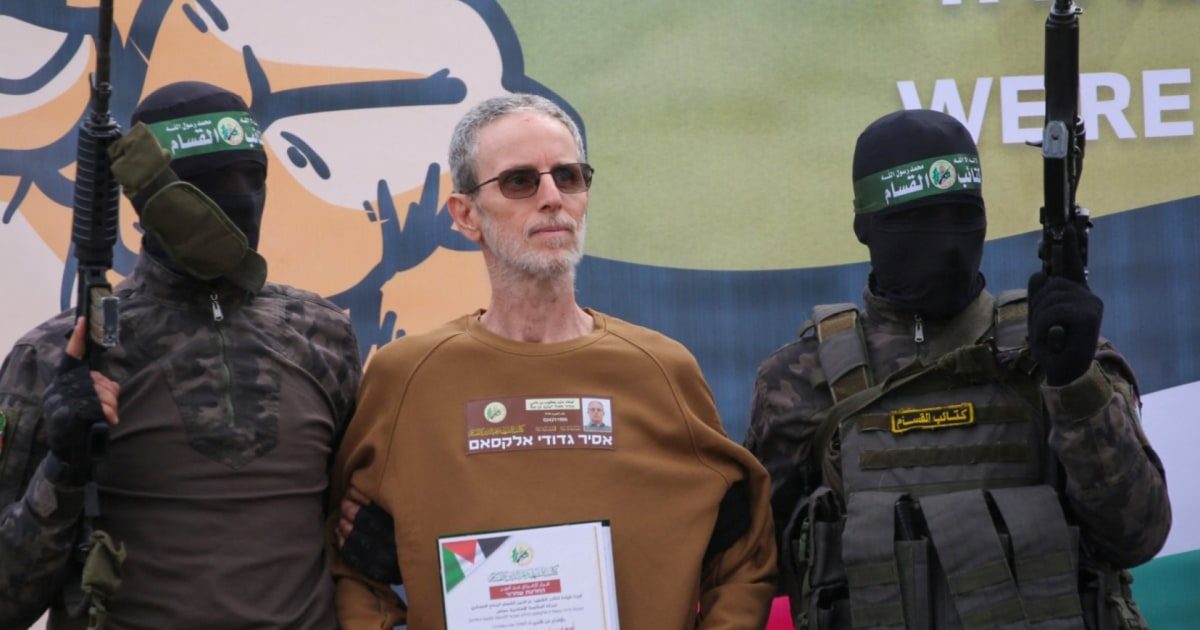
In a dramatic turn of events, Hamas has released three Israeli hostages, creating ripples of reactions across the political spectrum in Israel. This incident has not only sparked relief among the families of the hostages but has also reignited discussions surrounding the Israeli-Palestinian conflict, raising pertinent questions about the ongoing tensions in the region and the prospects for a lasting peace.
The Context of the Hostage Release
The situation in Israel and Gaza has been fraught with violence and instability, particularly in recent months. The release of these hostages by Hamas is significant, as it represents a rare moment of negotiation amid a backdrop of conflict. Prime Minister Benjamin Netanyahu expressed grave concerns regarding the conditions the hostages endured while in captivity, emphasizing the need for humane treatment even amidst hostilities.
This release comes at a time when both sides have been grappling with escalating tensions. The Israeli government has faced intense scrutiny over its handling of security and negotiations, particularly in light of previous hostage situations. The emotional weight of the families affected by these conflicts cannot be understated; their stories often highlight the personal impact of geopolitical struggles.
Reactions from Israeli Officials
The Israeli government’s response to the release was swift and multifaceted. Netanyahu’s denunciation of the conditions of the hostages underscores a commitment to ensuring the safety and dignity of all Israeli citizens, regardless of the circumstances. He stated, “No one should have to endure what these individuals have gone through.”
- Human Rights Concerns: The conditions faced by the released hostages have raised eyebrows not only within Israel but also among international human rights organizations. Advocates are calling for transparency regarding the treatment of hostages and the need for humane conditions during conflicts.
- Political Ramifications: The release has the potential to shift the political landscape in Israel. It could bolster Netanyahu’s position among his supporters who prioritize national security while also stirring debate among opposition parties about the effectiveness of current policies.
A Broader Perspective on Hostage Situations
Hostage situations are inherently traumatic and complex, often leading to a myriad of responses from governments and organizations worldwide. They serve as a harsh reminder of the human cost of conflict. In the Israeli-Palestinian context, they can also act as pivotal points in negotiations, influencing public opinion and political stances.
In many cases, the release of hostages can lead to temporary truces or negotiations for broader peace talks. For example, previous hostage exchanges in the region have often been benchmark moments, raising hopes for future dialogue. However, these moments are often fleeting and can devolve into renewed hostilities.
The Impact on Civilian Life in Israel and Gaza
The lives of civilians in both Israel and Gaza are profoundly affected by the ongoing conflict. The release of hostages brings a momentary respite, but it also serves as a stark reminder of the fragility of peace in the region.
- Psychological Impact: The psychological toll on families of hostages is immense. The uncertainty and fear surrounding the fate of their loved ones can lead to long-lasting trauma.
- Community Responses: Communities on both sides often rally around families affected by hostage situations, providing support and solidarity. This can foster a sense of unity amidst chaos, although the underlying tensions remain.
Prospects for Peace Amid Rising Tensions
The question on many minds is whether this hostage release could be a catalyst for broader peace efforts. While the immediate reaction is one of relief, the longer-term implications for peace in the region are uncertain. The Israeli government has made it clear that it will not compromise on security, which complicates any potential negotiations with Hamas.
However, some analysts argue that this could be a glimmer of hope. Efforts to negotiate the release of hostages often necessitate dialogue, which could pave the way for more substantial discussions about peace. The international community has a role to play in facilitating these conversations and ensuring that humanitarian considerations remain at the forefront.
International Reactions and the Role of Diplomacy
The international community has responded with cautious optimism to the release of the hostages. Many countries have called for both sides to engage in dialogue and to prioritize the safety of civilians. The United Nations has renewed its call for a ceasefire and for both parties to return to the negotiating table.
Diplomacy plays a crucial role in the resolution of such conflicts. The involvement of neutral parties can help broker peace agreements and ensure that the voices of those affected by the conflict are heard. Historical precedents show that sustained diplomatic efforts can lead to breakthroughs, even in the most entrenched situations.
Conclusion: A Path Forward?
The release of the three Israeli hostages by Hamas may indeed serve as a glimmer of hope amid rising tensions in Israel and Gaza. While the immediate relief felt by their families is palpable, the broader implications for peace in the region warrant careful consideration.
As both sides navigate the complexities of their relationship, it is essential to remember the human cost of the conflict. The focus must remain on dialogue, humanitarian treatment of hostages, and the overarching goal of achieving lasting peace. Perhaps, in this moment of respite, there lies an opportunity for renewed efforts toward understanding and reconciliation—a chance to break the cycle of violence that has plagued both Israeli and Palestinian communities for far too long.
See more ABC News Feed